Công ty Hải Đức Bột với hơn 10 năm kinh nghiệm vận chuyển khí, cung cấp hệ thống‑thiết bị‑quạt gió và nhận dự án tổng thầu bột cả nước
When it comes to handling and transporting chromium oxide, selecting the right conveying method is crucial for ensuring efficiency, safety, and product integrity. As a leading provider in the field, Shandong HeadPowder Engineering Co., Ltd. offers insights into the most common methods used for this specialized material. This article provides a detailed comparison of these approaches, helping businesses make informed decisions based on their operational needs.
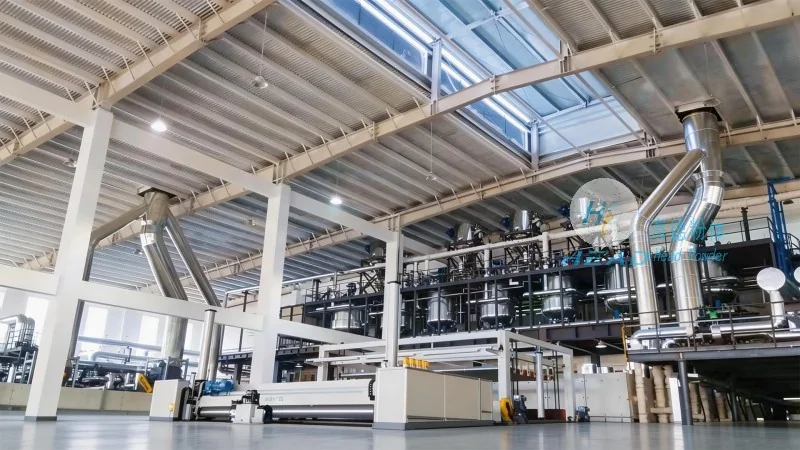
1. Gravity Conveying Systems
Gravity conveying systems utilize the natural force of gravity to move chromium oxide from one point to another. These systems typically consist of inclined chutes or troughs that allow the material to flow downward without the need for external power. The design of gravity conveyors is straightforward, often featuring smooth, non-stick surfaces to prevent material buildup and ensure consistent flow. For applications where the material is free-flowing and the vertical or horizontal distance is manageable, gravity conveying can be an economical choice. However, it is essential to consider the angle of inclination and the material's bulk density, as these factors directly impact the system's effectiveness. In practice, gravity conveyors are commonly used in industries where the material is relatively dry and does not require fine control over the flow rate.
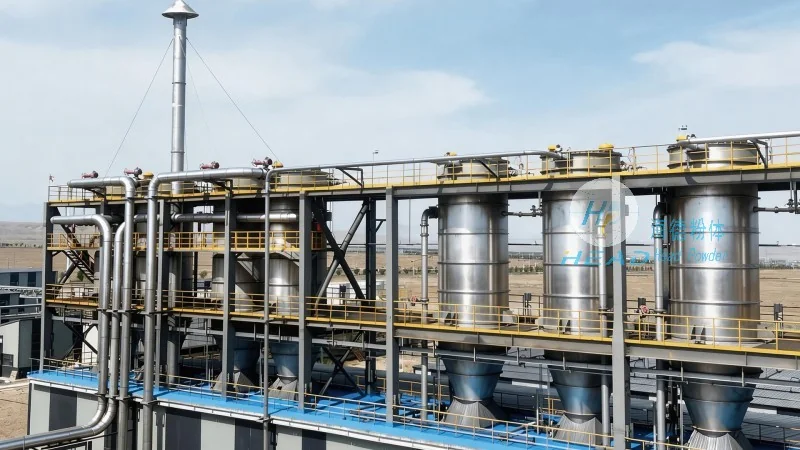
2. Mechanical Conveying Methods
Mechanical conveying systems employ mechanical components to transport chromium oxide. This category includes various types such as belt conveyors, screw conveyors, and bucket elevators. Belt conveyors use a continuous belt to move the material horizontally or at a slight incline, making them suitable for long-distance transport. Screw conveyors, on the other hand, utilize a rotating screw to push the material forward, which is ideal for vertical or horizontal movement in confined spaces. Bucket elevators are designed to lift material vertically using buckets attached to a chain or belt, providing a reliable solution for elevated transport. Each mechanical system has its advantages and limitations. For instance, belt conveyors are excellent for bulk material handling but may require regular maintenance to prevent belt wear. Screw conveyors are compact and can handle a wide range of materials, though they may cause some degradation to the product if the material is brittle. The choice of mechanical conveyor depends on factors like the material's characteristics, the required throughput, and the available space in the facility.
3. Pneumatic Conveying Systems
Pneumatic conveying systems use air or other gases to transport chromium oxide. These systems can be categorized into two main types: pressure and vacuum. Pressure systems force air through a pipeline, pushing the material along with it, while vacuum systems create a negative pressure to draw the material into the pipeline. Pneumatic conveying offers several benefits, including the ability to transport materials over long distances, vertical and horizontal movement, and the potential for enclosed systems that minimize dust exposure. However, these systems require careful consideration of air velocity and pressure to ensure efficient and reliable operation. The selection of the right pneumatic system depends on the material's density, flowability, and the distance it needs to be transported. For example, dense or abrasive materials may require higher air velocities to maintain consistent flow, while lighter materials might be conveyed more effectively with lower pressures. Pneumatic conveying is particularly suitable for applications where dust control and contamination prevention are critical, such as in pharmaceutical or food processing industries, though it may be less efficient for very fine or cohesive materials.

4. Comparison and Selection Considerations
When comparing the different conveying methods for chromium oxide, several factors must be taken into account. The first is the material's physical properties, including its bulk density, flowability, and tendency to agglomerate or create dust. Gravity systems are best suited for free-flowing materials with manageable distances, while mechanical systems offer more control and are suitable for a wider range of applications. Pneumatic systems excel in enclosed environments and for long-distance transport but may be more complex and costly to install and maintain. Another critical consideration is the required throughput and the scale of the operation. For small-scale or intermittent transport, a simple gravity or mechanical system might suffice. However, for large-scale continuous production, pneumatic or more advanced mechanical systems may be necessary. Cost is also a significant factor. Gravity systems are generally the most economical, followed by mechanical systems, with pneumatic systems often being the most expensive due to the need for air compressors and specialized equipment. Additionally, safety and environmental regulations should be considered. For example, if the material is hazardous or generates dust, pneumatic systems with enclosed pipelines and filtration may be required to comply with environmental standards. In summary, the choice of conveying method for chromium oxide should be based on a thorough evaluation of operational requirements, material characteristics, and budget constraints.
5. Conclusion
Choosing the appropriate conveying method for chromium oxide is essential for optimizing production efficiency and ensuring product quality. Shandong HeadPowder Engineering Co., Ltd. specializes in providing tailored solutions for material handling, including the design and implementation of conveying systems. By understanding the advantages and limitations of gravity, mechanical, and pneumatic systems, businesses can select the most suitable option for their specific needs. Whether it's a simple gravity chute for short-distance transport or a complex pneumatic system for long-distance, high-volume operations, the right conveying method can significantly impact operational performance and overall success. As a trusted partner in the industry, HeadPowder continues to innovate and provide effective solutions to meet the diverse demands of its clients.

 Công ty TNHH Kỹ thuật Công trình Bột Hải Đức Sơn Đông
 156-6277-7102(Quản lý Trương)
  0531-83386006
  Quận Chương Khâu, Thành phố Tế Nam, Tỉnh Sơn Đông, Trung Quốc
Điện thoại
WeChatTư vấn
Lên đầu