Công ty Hải Đức Bột với hơn 10 năm kinh nghiệm vận chuyển khí, cung cấp hệ thống‑thiết bị‑quạt gió và nhận dự án tổng thầu bột cả nước
For construction projects that require efficient and reliable transportation of lightweight cement, understanding the common methods available is crucial. Lightweight cement, known for its reduced density compared to traditional cement, offers advantages in terms of weight reduction and improved thermal insulation. Shandong HeadPowder Engineering Co., Ltd., a leading provider of lightweight cement solutions, specializes in optimizing transportation methods to meet the diverse needs of modern construction. This article explores the primary methods used for lightweight cement transportation, highlighting the key considerations and applications for each approach.
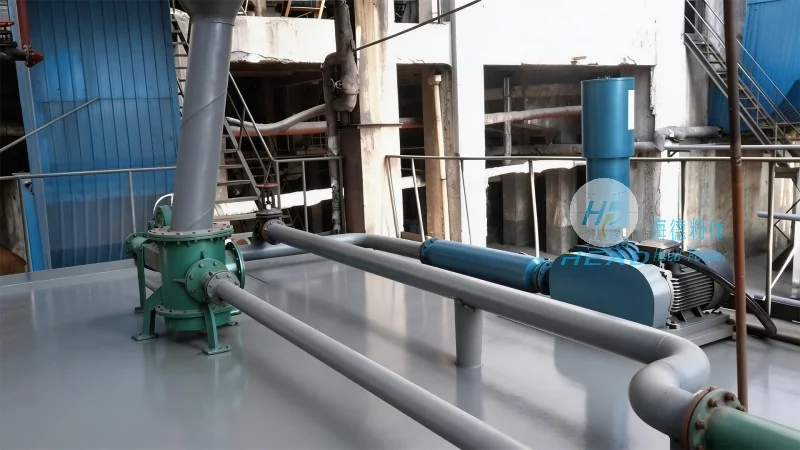
Overview of Lightweight Cement Transportation
Lightweight cement, often used in applications such as high-rise buildings, precast concrete elements, and thermal insulation systems, requires careful handling due to its lower density and potential variations in flow characteristics. The choice of transportation method depends on factors like project scale, site conditions, and the specific requirements of the construction process. Common methods include traditional pumping systems, specialized conveying equipment, and alternative solutions tailored to the unique properties of lightweight cement.
Pipeline and Pumping Systems for Lightweight Cement
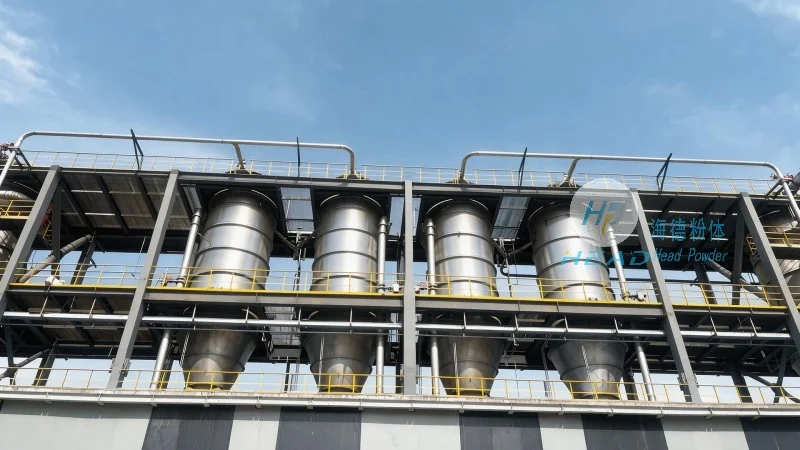
One of the most common methods for transporting lightweight cement is through pipeline and pumping systems. This approach involves using high-pressure pumps to move the cement slurry through a network of pipes to the desired location. The system typically includes a mixer, a pump, and a pipeline network, ensuring a consistent flow rate and pressure. For lightweight cement, specialized pumps are often used to maintain the correct viscosity and prevent segregation or settling of the material. The pipeline system may include elbows, tees, and other fittings designed to handle the unique flow characteristics of lightweight cement, minimizing pressure losses and ensuring smooth transport. This method is particularly effective for large-scale projects where continuous and uninterrupted supply is required, such as in the production of precast concrete components or in the construction of large structures.
Specialized Conveying Equipment
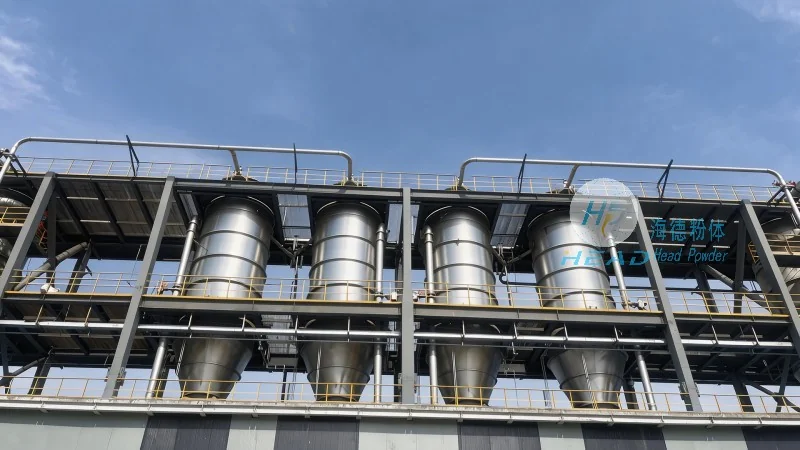
Another common method for lightweight cement transportation involves the use of specialized conveying equipment, such as screw conveyors, belt conveyors, or pneumatic conveying systems. Screw conveyors are widely used for horizontal or slight incline transport, where the lightweight cement is moved through a rotating screw within a tube. This method is suitable for moderate volumes and can handle variations in material consistency. Belt conveyors, on the other hand, are ideal for longer distances and larger quantities, providing a continuous and efficient transport solution. Pneumatic conveying systems use air pressure to move the lightweight cement through a pipeline, which is particularly useful for transporting materials in dusty or hazardous environments. Each type of equipment has its advantages and limitations, and the choice depends on the specific project requirements and site conditions.
Manual and Portable Transport Solutions
For smaller-scale projects or in situations where equipment is not readily available, manual and portable transport solutions may be employed. These methods include the use of buckets, wheelbarrows, or portable pumps to move lightweight cement to the work area. While less efficient than automated systems, these solutions are cost-effective and suitable for smaller quantities or remote locations. Portable mixing units and hand-operated pumps can also be used to prepare and transport lightweight cement on-site, ensuring flexibility and adaptability to varying project needs. This approach is particularly useful for maintenance or repair work where large-scale equipment is not necessary.
Key Considerations for Lightweight Cement Transportation
When selecting a transportation method for lightweight cement, several factors must be considered to ensure optimal performance and safety. The first is the viscosity and flow characteristics of the lightweight cement, as these properties can affect the efficiency of pumping and conveying systems. Proper mixing and conditioning of the cement before transport are essential to maintain its consistency and prevent segregation. The second consideration is the scale of the project, as large-scale projects may require more robust and automated systems, while smaller projects can utilize manual or portable solutions. Additionally, site conditions, such as the availability of power and space, play a critical role in determining the most suitable transportation method. Finally, safety considerations, including the prevention of dust exposure and the proper handling of equipment, must be addressed to ensure a safe working environment.
Conclusion
In conclusion, the transportation of lightweight cement involves several common methods, each with its own advantages and applications. Pipeline and pumping systems are ideal for large-scale projects requiring continuous supply, while specialized conveying equipment offers flexibility for moderate volumes. Manual and portable solutions provide cost-effective options for smaller projects or remote locations. By understanding the unique properties of lightweight cement and considering project-specific factors, construction professionals can select the most appropriate transportation method to ensure efficient and safe delivery of the material. As the demand for lightweight cement continues to grow in the construction industry, the development of advanced transportation systems will further enhance the efficiency and reliability of its use in various applications.

 Công ty TNHH Kỹ thuật Công trình Bột Hải Đức Sơn Đông
 156-6277-7102(Quản lý Trương)
  0531-83386006
  Quận Chương Khâu, Thành phố Tế Nam, Tỉnh Sơn Đông, Trung Quốc
Điện thoại
WeChatTư vấn
Lên đầu