Công ty Hải Đức Bột với hơn 10 năm kinh nghiệm vận chuyển khí, cung cấp hệ thống‑thiết bị‑quạt gió và nhận dự án tổng thầu bột cả nước
When it comes to transporting fine sand and gravel in industrial and construction settings, selecting the right conveying method is crucial for efficiency, cost-effectiveness, and operational safety. Different conveying systems offer varying advantages and disadvantages, making it essential to understand the characteristics of each option before making a decision. This article provides a detailed comparison of common fine sand and gravel conveying methods, highlighting their key features, benefits, and limitations. The information is based on the expertise of Shandong HeadPowder Engineering Co., Ltd., a leading manufacturer of conveying systems based in Shandong, China.
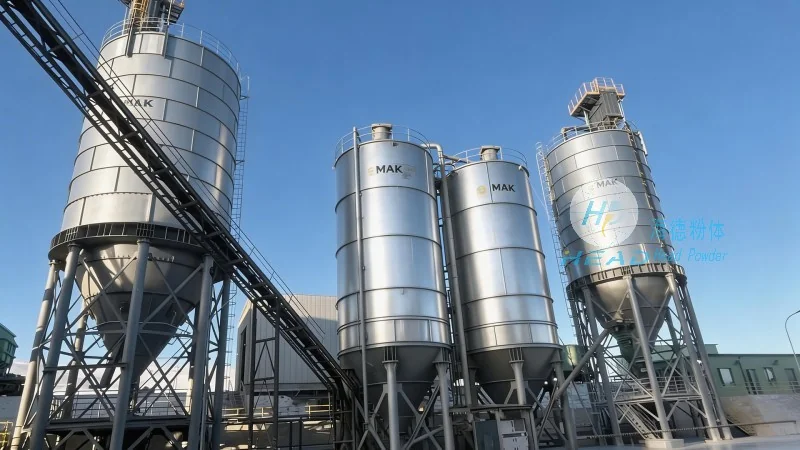
Overview of Fine Sand and Gravel Conveying Methods
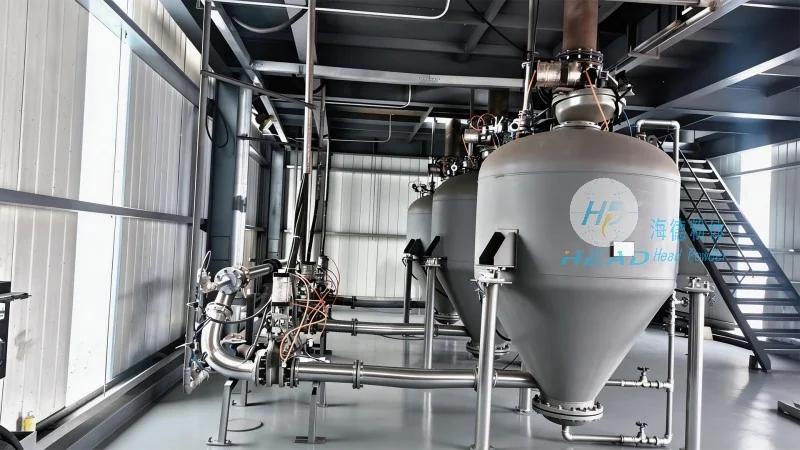
Fine sand and gravel are widely used in construction, mining, and manufacturing processes. Efficient transportation of these materials is vital to maintain production flow and reduce downtime. Conveying systems are designed to move these materials from one location to another with minimal loss and maximum efficiency. The choice of conveying method depends on factors such as material properties, distance, volume, and environmental considerations.
1. Belt Conveyor System
The belt conveyor is one of the most common and versatile methods for transporting fine sand and gravel. It consists of a continuous loop of belt that moves over rollers or pulleys, carrying the material from the loading point to the discharge point. Belt conveyors are widely used due to their high capacity, low maintenance, and ability to handle long distances. They are particularly suitable for transporting large volumes of material over horizontal or slightly inclined paths.
Advantages of belt conveyors include high throughput, low power consumption per tonne, and minimal material degradation. They can be easily integrated into existing production lines and are relatively simple to install and maintain. Belt conveyors are also suitable for transporting materials with varying sizes and shapes, as the belt can accommodate different loads without causing damage.
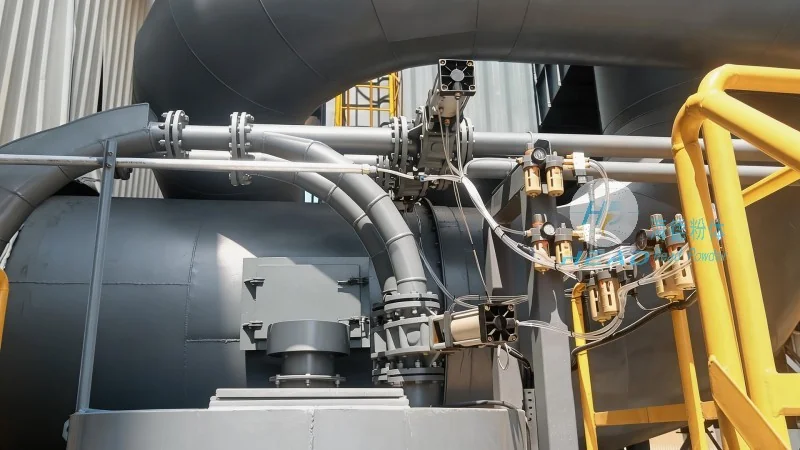
However, belt conveyors have some limitations. They are not suitable for vertical or steeply inclined transport, as this can lead to belt slippage and increased wear. Additionally, belt conveyors require regular maintenance to ensure the belt remains in good condition, and they may be affected by environmental factors such as dust and moisture. The initial investment cost for a belt conveyor system is relatively high compared to other methods, which can be a barrier for some applications.
2. Screw Conveyor (Auger Conveyor)
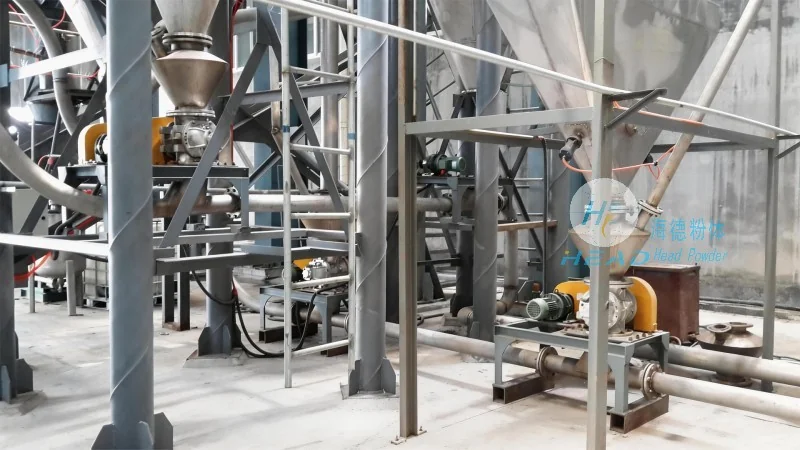
Screw conveyors, also known as auger conveyors, use a rotating screw or helical blade to move fine sand and gravel along a trough. The screw rotates inside a tube or trough, pushing the material forward. Screw conveyors are ideal for transporting materials in a vertical or inclined direction and are commonly used in applications where space is limited or where the material needs to be elevated.
Advantages of screw conveyors include their compact design, which allows for installation in confined spaces. They are also relatively simple to operate and maintain, with fewer moving parts compared to other systems. Screw conveyors can handle a wide range of materials, including fine powders and granules, and are suitable for both horizontal and vertical transport. They are particularly effective for transporting materials that are prone to clogging or bridging, as the screw can break up clumps and ensure smooth flow.

 Công ty TNHH Kỹ thuật Công trình Bột Hải Đức Sơn Đông
 156-6277-7102(Quản lý Trương)
  0531-83386006
  Quận Chương Khâu, Thành phố Tế Nam, Tỉnh Sơn Đông, Trung Quốc
Điện thoại
WeChatTư vấn
Lên đầu