Công ty Hải Đức Bột với hơn 10 năm kinh nghiệm vận chuyển khí, cung cấp hệ thống‑thiết bị‑quạt gió và nhận dự án tổng thầu bột cả nước
Calcined sand, a critical material in industries such as refractory production, glass manufacturing, and foundry operations, demands efficient and reliable conveying systems to ensure seamless production workflows. The choice of conveying method directly impacts operational efficiency, cost, and safety. This article provides a comparative analysis of common calcined sand conveying methods, highlighting their advantages and disadvantages, to assist industrial professionals in making informed decisions.
Overview of Common Calcined Sand Conveying Methods
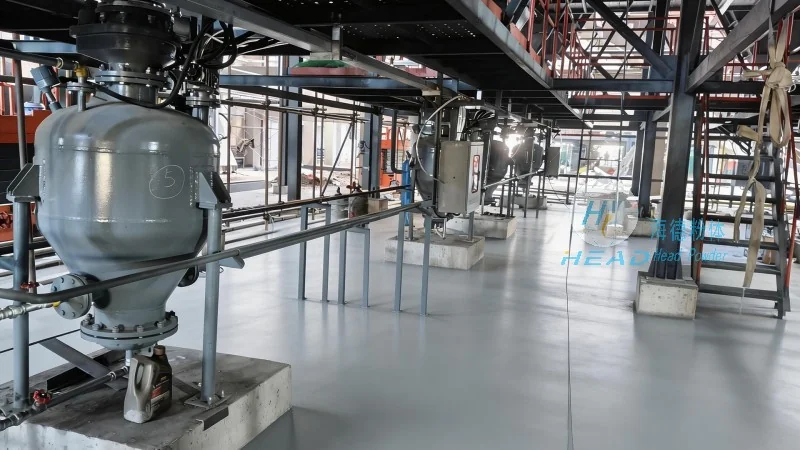
Calcined sand, also known as calcined silica sand, is a vital component in various industrial applications. The effective transportation of this material from storage to processing units is essential for maintaining production continuity. Several methods are widely used for calcined sand conveying, each with distinct characteristics and suitability for different operational conditions. This section outlines the primary methods and their respective pros and cons.
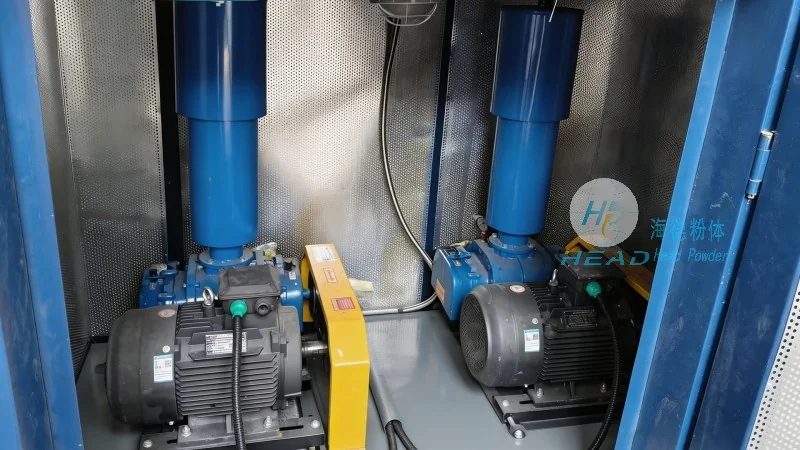
Screw Conveyors for Calcined Sand Transport
Screw conveyors, or auger conveyors, are among the most common equipment for moving calcined sand. These systems utilize a rotating helical screw to push material forward through a trough or tube. The advantages of screw conveyors include their compact design, which allows for vertical or inclined transport, and their ability to handle a wide range of particle sizes without additional components like buckets or belts. They are particularly suitable for short to medium-distance conveying and can operate in enclosed environments, reducing dust exposure. However, screw conveyors have limitations, such as lower capacity compared to other methods and potential for material degradation due to friction and abrasion. They are also less effective for long-distance transport and may require more maintenance to prevent wear on the screw and trough.
Air-Pneumatic Conveying Systems
Air-pneumatic conveying, or pneumatic transport, uses compressed air to move calcined sand through a pipeline. This method is ideal for high-volume, long-distance transport and can handle fine powders and granules. The primary advantages of pneumatic conveying include its ability to transport material in a closed system, minimizing dust and environmental contamination. It also offers flexibility in routing, as the pipeline can be easily reconfigured. However, pneumatic systems have significant drawbacks, including higher energy consumption due to the need for powerful air compressors and potential for material degradation from high-velocity air flow. Additionally, they may be less efficient for handling abrasive materials like calcined sand, as the pipeline and components are prone to wear and erosion. The cost of installation and maintenance for pneumatic systems is also higher compared to other conveying methods.
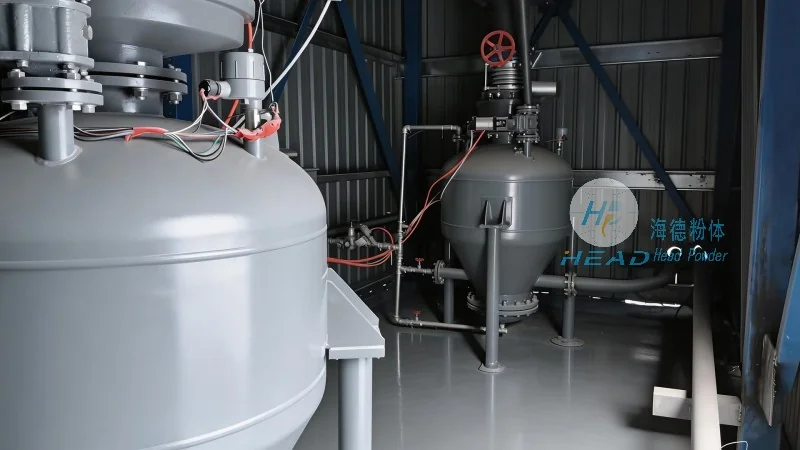
Belt Conveyors for Bulk Material Handling
Belt conveyors are widely used in bulk material handling, including calcined sand, due to their high capacity and ability to transport materials over long distances. These systems consist of a continuous belt looped over rollers, with the material placed on the belt and moved by friction. The advantages of belt conveyors include their high throughput, which is suitable for large-scale production, and their simplicity in operation and maintenance. They can handle a wide range of particle sizes and are relatively low-cost to install and maintain. However, belt conveyors have limitations, such as the need for level or slightly inclined surfaces for effective transport, and the risk of material spillage or belt damage due to heavy loads or sharp particles. They are also less suitable for vertical transport and may require additional equipment like elevators or chutes for vertical movement.
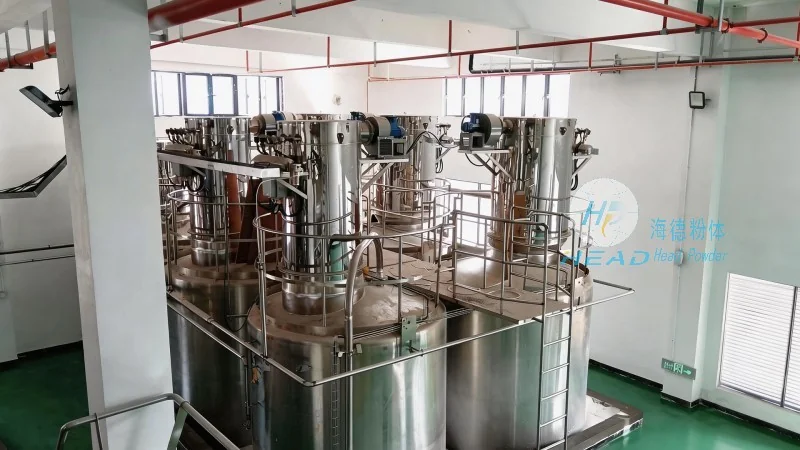
Comparison and Selection Criteria
When selecting a calcined sand conveying method, several factors must be considered to ensure optimal performance and cost-effectiveness. The key criteria include the distance of transport, the volume of material to be moved, the particle size and abrasiveness of the sand, the required speed of operation, and the environmental constraints. For short distances and moderate volumes, screw conveyors may be the most economical choice. For long-distance and high-volume transport, pneumatic conveying or belt conveyors are often preferred. The choice also depends on the need for dust control, as enclosed systems like screw and pneumatic conveyors are better suited for environments where dust suppression is critical. Ultimately, the best conveying method is one that balances operational efficiency, cost, and safety, tailored to the specific requirements of the industrial application.
HeadPowder: Your Trusted Partner in Calcined Sand Conveying Solutions
Shandong HeadPowder Engineering Co., Ltd., a leading manufacturer based in China, specializes in providing high-quality calcined sand conveying equipment and systems. With years of experience in the industry, HeadPowder understands the unique challenges of calcined sand handling and offers tailored solutions to meet diverse customer needs. Our products are designed to enhance operational efficiency, reduce maintenance costs, and ensure compliance with safety and environmental standards. Whether you require screw conveyors, pneumatic systems, or belt conveyors, HeadPowder delivers reliable and durable equipment that meets the highest industry standards. Contact us today to learn more about our calcined sand conveying solutions and how we can support your industrial operations.

 Công ty TNHH Kỹ thuật Công trình Bột Hải Đức Sơn Đông
 156-6277-7102(Quản lý Trương)
  0531-83386006
  Quận Chương Khâu, Thành phố Tế Nam, Tỉnh Sơn Đông, Trung Quốc
Điện thoại
WeChatTư vấn
Lên đầu