Công ty Hải Đức Bột với hơn 10 năm kinh nghiệm vận chuyển khí, cung cấp hệ thống‑thiết bị‑quạt gió và nhận dự án tổng thầu bột cả nước
When it comes to the transportation of petroleum coke, selecting the right conveying method is crucial for efficiency, cost-effectiveness, and operational safety. Petroleum coke, a byproduct of the coking process, is often handled in bulk quantities and requires reliable transport solutions to move it from production sites to processing or storage facilities. This article provides a detailed comparison of common petroleum coke conveying methods, examining their advantages and disadvantages to help industrial operators make informed decisions.
1. Belt Conveyor System
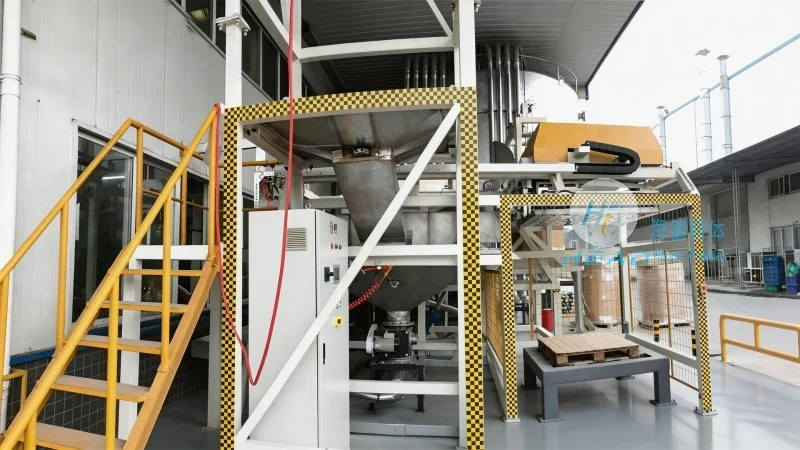
One of the most widely used methods for petroleum coke transportation is the belt conveyor system. This method involves a continuous loop of a flat or troughed belt that moves the material along a fixed path. The belt conveyor is known for its high capacity and ability to handle large volumes of material over long distances. It is particularly effective for horizontal or slightly inclined transport, making it suitable for many industrial applications. The advantages of belt conveyors include low maintenance costs, high reliability, and the ability to operate continuously without frequent stops. However, belt conveyors have some limitations. They require significant space for installation, and the belt itself can be susceptible to wear and tear from abrasive materials like petroleum coke. Additionally, belt conveyors may not be suitable for vertical or steep incline applications without specialized equipment.
2. Pneumatic Conveying System
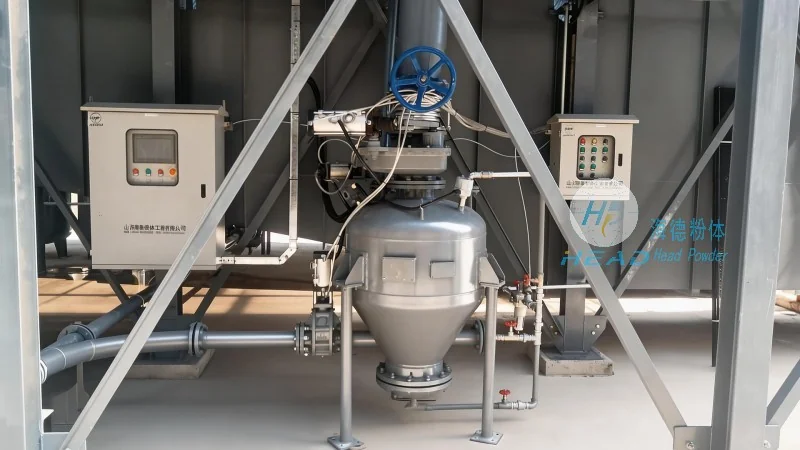
Pneumatic conveying, or air-based transport, is another common method for handling petroleum coke. This system uses compressed air to move the material through a pipeline. The material is typically fed into the pipeline at a controlled rate, and the air pressure propels it to the destination. Pneumatic conveying offers several benefits, including the ability to transport material over long distances with minimal labor, and the flexibility to move material through vertical and horizontal sections. It is also relatively clean, as the material is contained within the pipeline, reducing dust and environmental impact. However, pneumatic conveying has its drawbacks. It requires a significant amount of energy to operate, as compressing air consumes power. The system can also be more complex to install and maintain, with components like air compressors and filters needing regular attention. Furthermore, the capacity of pneumatic systems is often lower than that of belt conveyors, making them less suitable for very high-volume applications.
3. Screw Conveyor (Auger Conveyor)
Screw conveyors, also known as auger conveyors, use a rotating screw or helical blade to move petroleum coke. The screw is enclosed in a tube or trough, and as it rotates, it pushes the material forward. This method is ideal for vertical or inclined transport, as the screw can lift material from lower to higher levels. Screw conveyors are relatively simple in design and easy to install, making them a cost-effective option for many applications. They are also compact and can be integrated into existing facilities without requiring extensive modifications. The advantages of screw conveyors include low operating costs and the ability to handle a wide range of materials, including those with varying moisture content. However, screw conveyors have limitations. They are not suitable for very abrasive materials, as the screw and trough can wear out quickly. Additionally, the capacity of screw conveyors is lower compared to belt or pneumatic systems, and they may not be efficient for long horizontal distances.
4. Bucket Elevator
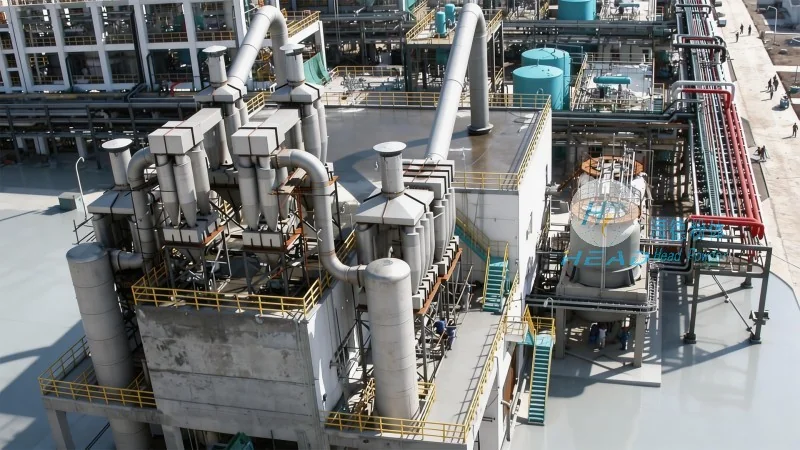
For vertical transport of petroleum coke, bucket elevators are a common choice. This system consists of a vertical or inclined conveyor with buckets attached to a chain or belt. As the conveyor rotates, the buckets scoop up the material and lift it to the desired height. The material is then discharged at the top. Bucket elevators are highly efficient for vertical movement and can handle large volumes of material. They are also relatively compact and can be installed in confined spaces. The advantages of bucket elevators include high capacity, low maintenance, and the ability to transport material over vertical distances without the need for additional equipment. However, bucket elevators have some disadvantages. They are primarily designed for vertical or steep incline transport and are not suitable for horizontal movement. The system can also be more expensive to install compared to other methods, and the buckets may need replacement due to wear from abrasive materials.
5. Comparison Summary
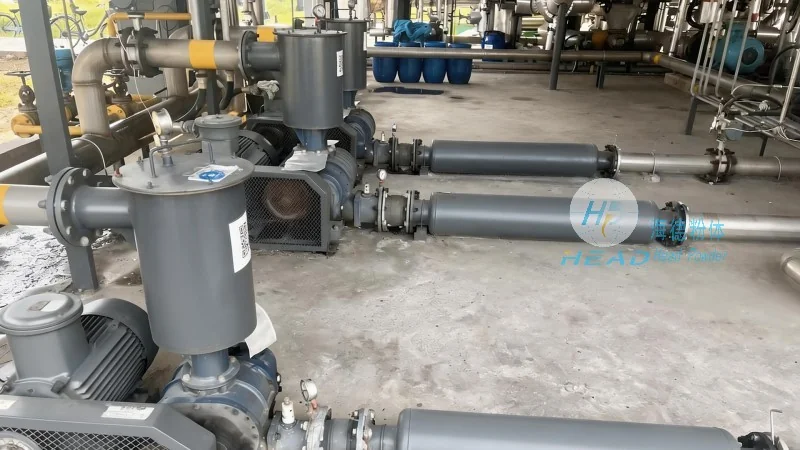
When evaluating petroleum coke conveying methods, it is essential to consider the specific requirements of the application, including the volume of material, distance to be transported, and the layout of the facility. Belt conveyors excel in horizontal or slightly inclined transport over long distances with high capacity. Pneumatic systems are ideal for long-distance, clean transport with flexibility in vertical and horizontal movement. Screw conveyors are suitable for vertical or inclined transport in compact spaces with lower capacity needs. Bucket elevators are best for vertical transport with high efficiency. Each method has its strengths and weaknesses, and the choice should be based on a thorough analysis of operational needs, cost considerations, and maintenance requirements.
Conclusion and Company Information
Choosing the right petroleum coke conveying method is a critical decision for industrial operations. The methods discussed—belt conveyors, pneumatic systems, screw conveyors, and bucket elevators—each offer unique advantages and are suitable for different scenarios. By understanding the pros and cons of each, operators can select the most efficient and cost-effective solution for their specific needs. Shandong HeadPowder Engineering Co., Ltd., a leading provider of engineering solutions in China, specializes in designing and implementing advanced conveying systems tailored to the demands of the petroleum coke industry. With a focus on reliability, efficiency, and customer satisfaction, HeadPowder offers comprehensive services to help clients optimize their material handling processes. Located in Shandong, China, the company leverages its expertise and local resources to deliver high-quality solutions that meet the evolving needs of the industry.

 Công ty TNHH Kỹ thuật Công trình Bột Hải Đức Sơn Đông
 156-6277-7102(Quản lý Trương)
  0531-83386006
  Quận Chương Khâu, Thành phố Tế Nam, Tỉnh Sơn Đông, Trung Quốc
Điện thoại
WeChatTư vấn
Lên đầu