Công ty Hải Đức Bột với hơn 10 năm kinh nghiệm vận chuyển khí, cung cấp hệ thống‑thiết bị‑quạt gió và nhận dự án tổng thầu bột cả nước
When it comes to the efficient and reliable transportation of maltose, selecting the right conveying method is crucial for industrial processes. Maltose, a key ingredient in various food and beverage applications, requires careful handling to maintain its quality and integrity. Different conveying systems are available, each with its own set of advantages and disadvantages. This article provides a detailed comparison of common maltose conveying methods, helping industry professionals make informed decisions based on their specific operational needs.
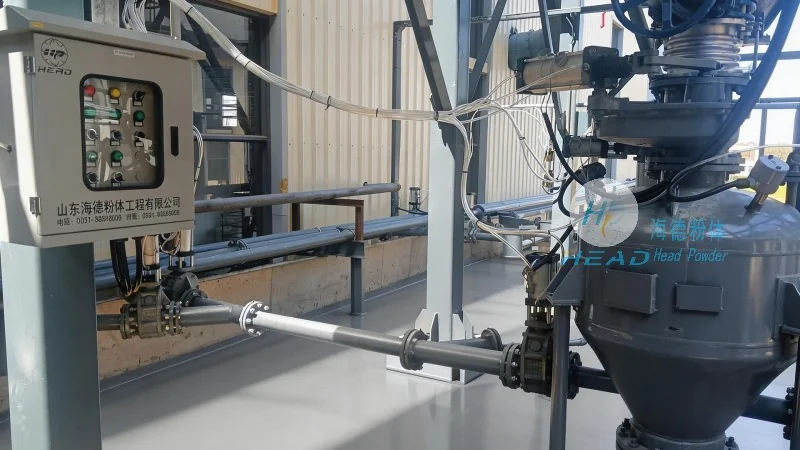
1. Pneumatic Conveying Systems
Pneumatic conveying systems utilize air or other gases to transport maltose particles through a pipeline. This method is particularly effective for handling fine powders and granules, as it minimizes product degradation and contamination. One of the primary advantages of pneumatic conveying is its ability to transport maltose over long distances without the need for multiple transfer points. The system can also be designed to handle varying particle sizes and moisture levels, making it versatile for different production environments. However, pneumatic conveying may require higher energy consumption compared to other methods, as it relies on compressed air. Additionally, the system's performance can be affected by air pressure fluctuations and the presence of moisture, which may lead to product caking or blockages in the pipeline.
2. Hydraulic Conveying with Positive Displacement Pumps
Hydraulic conveying, especially with positive displacement pumps, is another common method for moving maltose. These pumps, such as rotary lobe or progressing cavity pumps, are designed to handle viscous and abrasive materials like maltose. The primary advantage of this method is its high efficiency in moving large volumes of maltose with consistent flow rates. Positive displacement pumps provide a steady, non-pulsating flow, which helps maintain product quality and prevent segregation. They are also capable of handling high-pressure applications and can be integrated with other processing equipment for seamless operation. The main drawback is the potential for wear and tear on pump components due to the abrasive nature of maltose, leading to higher maintenance costs over time. Furthermore, hydraulic systems may require regular cleaning and maintenance to prevent clogging from fine particles.
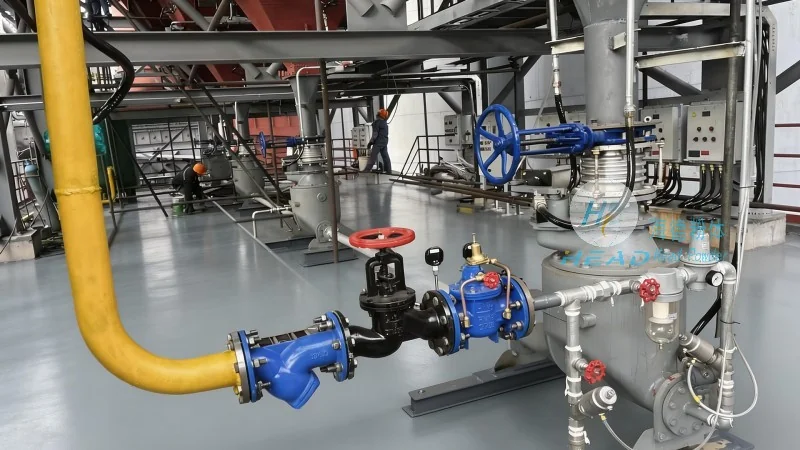
3. Gravity Conveying via Chutes and Hoppers
Gravity conveying is a simple and cost-effective method that relies on the natural force of gravity to move maltose from one elevation to another. This approach involves using chutes, hoppers, and sloped pipelines to allow the material to flow without external power. The main advantage of gravity conveying is its low operational cost, as it does not require electricity or compressed air. It is also gentle on the product, minimizing the risk of particle breakage or degradation. This method is particularly suitable for short-distance transfers and when the material is already in a free-flowing state. However, gravity conveying is limited by the need for a sufficient vertical drop or slope, which may not be feasible in all plant layouts. Additionally, the system's capacity is dependent on the material's flow properties, and it may not be suitable for handling sticky or cohesive maltose that tends to bridge or rat-hole in the chute.
4. Mechanical Conveying with Screw or Belt Conveyors
Mechanical conveying systems, including screw and belt conveyors, are widely used in maltose handling operations. Screw conveyors use a rotating screw to push the material forward, while belt conveyors rely on a moving belt to transport the product. The primary advantage of mechanical conveyors is their ability to handle a wide range of material types and capacities. Screw conveyors are particularly effective for moving bulk maltose in a continuous manner, with minimal product degradation. They can also be easily integrated with other equipment, such as mixers or storage silos. Belt conveyors, on the other hand, are ideal for transporting maltose over longer horizontal distances and can handle larger particle sizes. However, mechanical conveyors may experience wear on the conveyor components due to the abrasive nature of maltose, requiring regular replacement of belts or screw flights. Additionally, these systems may not be suitable for handling very fine or dusty maltose, as they can lead to dust accumulation and potential health hazards.
5. Comparison and Selection Criteria
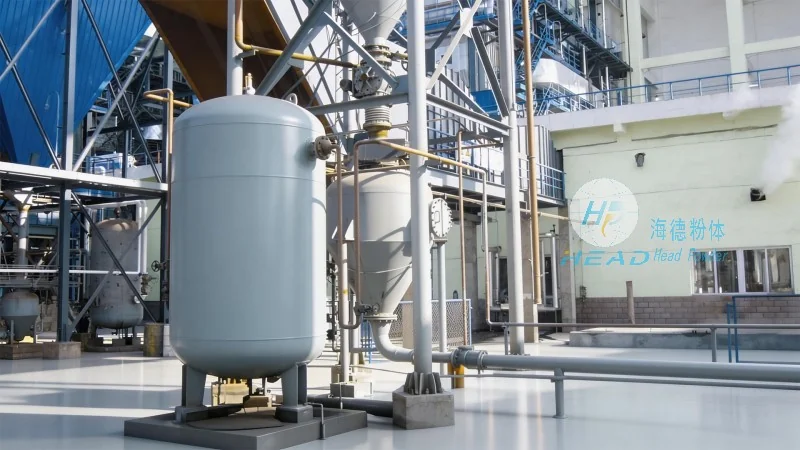
When selecting a maltose conveying method, several factors must be considered to ensure optimal performance and cost-effectiveness. The first criterion is the material's physical properties, such as particle size, moisture content, and flowability. For example, pneumatic conveying is preferred for fine powders, while gravity conveying is suitable for free-flowing granules. The second factor is the distance and elevation change required for the transfer. Long-distance or high-elevation transfers may necessitate pneumatic or hydraulic systems, whereas short-distance horizontal moves can be handled by mechanical conveyors. The third consideration is the operational budget and maintenance requirements. Gravity and mechanical systems offer lower initial costs and simpler maintenance, while pneumatic and hydraulic systems may have higher upfront expenses but lower long-term operational costs. Finally, the plant layout and available space must be evaluated, as some systems require more vertical or horizontal space than others.
6. Conclusion
In conclusion, the choice of maltose conveying method depends on a combination of operational requirements, material characteristics, and cost considerations. Pneumatic conveying offers versatility and long-distance transport, while hydraulic systems provide high efficiency and consistent flow. Gravity conveying is economical and gentle on the product, but limited by layout constraints. Mechanical conveyors are suitable for bulk handling and long horizontal distances but may require more maintenance. By carefully evaluating these factors, industry professionals can select the most appropriate conveying method to ensure the efficient and reliable transport of maltose, maintaining product quality and optimizing production processes. Shandong HeadPowder Engineering Co., Ltd. specializes in providing tailored conveying solutions for maltose and other bulk materials, leveraging years of experience in industrial processing and material handling.

 Công ty TNHH Kỹ thuật Công trình Bột Hải Đức Sơn Đông
 156-6277-7102(Quản lý Trương)
  0531-83386006
  Quận Chương Khâu, Thành phố Tế Nam, Tỉnh Sơn Đông, Trung Quốc
Điện thoại
WeChatTư vấn
Lên đầu