Công ty Hải Đức Bột với hơn 10 năm kinh nghiệm vận chuyển khí, cung cấp hệ thống‑thiết bị‑quạt gió và nhận dự án tổng thầu bột cả nước
For agricultural and industrial applications, the efficient and reliable transport of corn kernels is crucial. Various conveying methods are employed to handle this task, each with its own set of advantages and disadvantages. This article provides a comparative analysis of common corn kernel conveying methods, helping to inform decision-making for those in need of such systems. The information presented here is based on the expertise of Shandong HeadPowder Engineering Co., Ltd., a leading provider of corn processing equipment in China.
Introduction to Corn Kernel Conveying Systems
Corn kernel conveying is a critical process in the handling and processing of corn. It involves moving corn kernels from one location to another within a facility, such as from storage silos to processing lines or from fields to storage areas. The choice of conveying method depends on factors like the volume of corn to be moved, the distance, the environment, and the specific requirements of the operation. Understanding the pros and cons of each method is essential for selecting the most suitable solution.
Spiral Conveyors (Augers) for Corn Kernel Transport
Spiral conveyors, also known as augers, are widely used for corn kernel conveying due to their simplicity and effectiveness. These systems consist of a rotating helical screw inside a tube, which pushes the corn kernels forward through the tube. The primary advantage of spiral conveyors is their ability to handle a large volume of corn kernels with minimal space requirements. They are particularly suitable for vertical or inclined transport, making them ideal for moving corn from lower to higher levels or from storage bins to processing equipment. Additionally, spiral conveyors are relatively low-cost to install and maintain, and they can operate in a variety of environments without the need for complex controls.
However, spiral conveyors have several limitations. One major drawback is their low capacity compared to other methods, especially for long-distance or high-volume applications. The friction between the corn kernels and the screw can also cause wear and tear on the equipment, leading to higher maintenance costs over time. Furthermore, the design of spiral conveyors may not be suitable for handling corn kernels with high moisture content or those that are prone to clumping, as this can cause blockages and reduce efficiency.
Air-Driven Pneumatic Conveying Systems
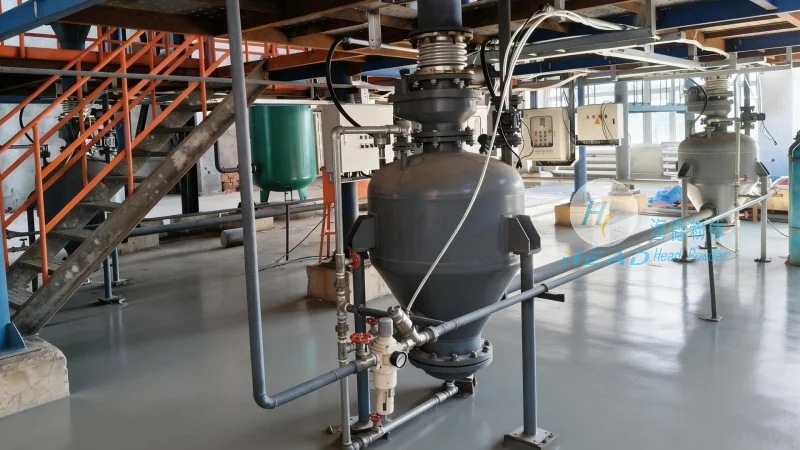
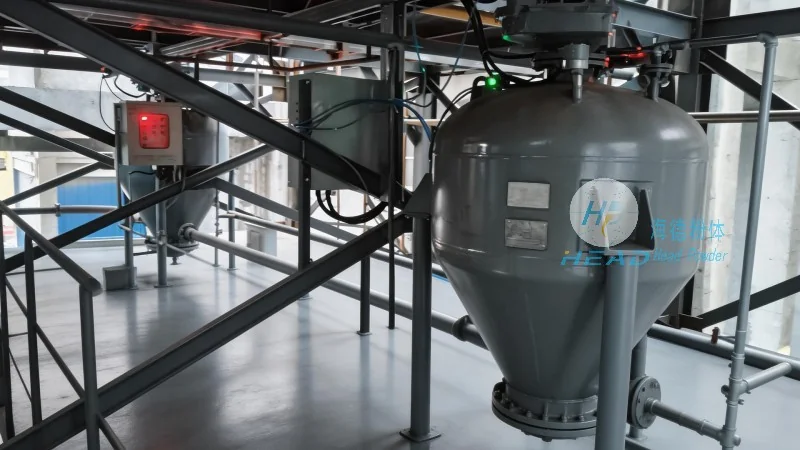
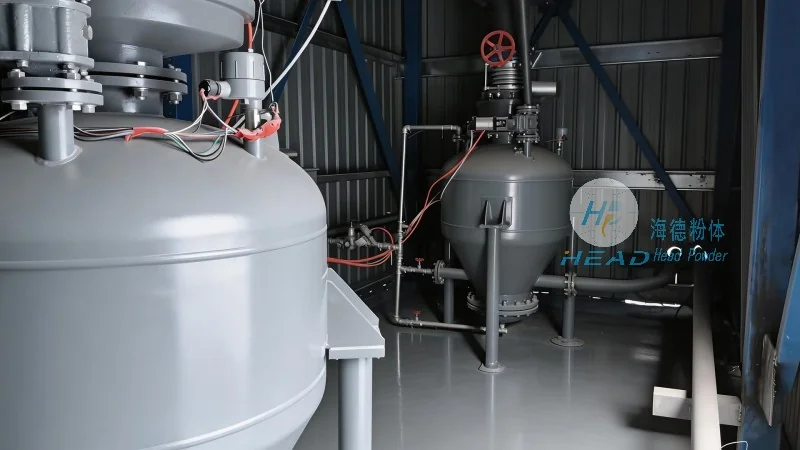
Air-driven pneumatic conveying systems use air pressure to transport corn kernels through a pipeline. This method is highly versatile and can handle a wide range of corn kernel sizes and moisture levels. The main advantage of pneumatic conveying is its ability to move corn kernels over long distances with minimal loss of material. It is also suitable for applications where the corn needs to be mixed with other materials or where dust control is a priority, as the system can be enclosed to prevent dust emissions. Pneumatic conveying systems are particularly effective for moving corn from one part of a facility to another without the need for multiple transfer points.
Despite these benefits, pneumatic conveying has its disadvantages. The most significant drawback is the high energy consumption required to operate the system, as it relies on compressed air. This can increase operational costs, especially for large-scale operations. Additionally, the system may be prone to blockages if the corn kernels are too large or if the air flow is insufficient. The cost of installation and maintenance can also be higher compared to other conveying methods, particularly for complex or long-distance pipelines.
Belt Conveyors for Corn Kernel Handling
Belt conveyors are another common method for corn kernel conveying, especially in applications where a continuous and steady flow of corn is required. These systems consist of a moving belt that transports the corn kernels along a path, often with the help of rollers or idlers to support the belt and guide the corn. The primary advantage of belt conveyors is their high capacity and ability to handle large volumes of corn kernels over long distances. They are particularly suitable for horizontal or slightly inclined transport, making them ideal for moving corn from one storage area to another or from processing equipment to packaging lines.
However, belt conveyors have some limitations. The initial cost of installation can be relatively high, especially for long or complex systems. The system requires regular maintenance to ensure the belt remains in good condition, as wear and tear can lead to inefficiencies or breakdowns. Additionally, belt conveyors may not be suitable for handling corn kernels with high moisture content or those that are prone to sticking to the belt, as this can cause blockages and reduce the system's effectiveness.
Comparison and Selection Considerations
When selecting a corn kernel conveying method, it is important to consider several factors beyond the advantages and disadvantages of each system. The volume and speed of corn kernel transport are critical, as different methods are better suited for different throughput requirements. The distance between the start and end points of the conveying process is another key factor, as some methods are more effective for short distances while others are better for long distances. The environment in which the system will operate is also important, as some methods may be more suitable for indoor or outdoor applications.
For example, if the goal is to move a large volume of corn kernels vertically over a short distance, a spiral conveyor may be the most cost-effective solution. If the corn needs to be transported over a long distance with minimal loss and in an enclosed environment, a pneumatic conveying system may be the best choice. For horizontal transport over long distances with high capacity, a belt conveyor could be the most suitable option.
Conclusion
In conclusion, the choice of corn kernel conveying method depends on a variety of factors, including the volume of corn to be moved, the distance, the environment, and the specific requirements of the operation. Each method has its own set of advantages and disadvantages, and the most suitable solution will vary depending on the specific needs of the user. By understanding the pros and cons of each method, as well as the factors that influence the selection process, users can make informed decisions that lead to efficient and reliable corn kernel transport.

 Công ty TNHH Kỹ thuật Công trình Bột Hải Đức Sơn Đông
 156-6277-7102(Quản lý Trương)
  0531-83386006
  Quận Chương Khâu, Thành phố Tế Nam, Tỉnh Sơn Đông, Trung Quốc
Điện thoại
WeChatTư vấn
Lên đầu