Công ty Hải Đức Bột với hơn 10 năm kinh nghiệm vận chuyển khí, cung cấp hệ thống‑thiết bị‑quạt gió và nhận dự án tổng thầu bột cả nước
Water glass, also known as sodium silicate, is a widely used industrial chemical with applications in construction, glass manufacturing, and chemical processing. The efficient and safe delivery of water glass from storage to the point of use is crucial for maintaining production efficiency and ensuring product quality. Various methods are employed for water glass transportation, each with its own set of advantages and disadvantages. This article provides a detailed comparison of common water glass delivery methods, helping industrial operators make informed decisions based on their specific operational needs.
Overview of Water Glass and Its Delivery Importance
Water glass, chemically known as sodium silicate (Na₂SiO₃), is a colorless or slightly yellowish viscous liquid. It is highly alkaline and has excellent binding and adhesive properties, making it indispensable in many industrial processes. The viscosity of water glass can vary significantly depending on its concentration and molecular weight, which directly impacts the choice of delivery method. Proper handling and transportation are essential to prevent degradation, contamination, or equipment damage. This section introduces the key factors to consider when selecting a water glass delivery system.
Common Water Glass Delivery Methods
Pump-Driven Systems: The Most Common Approach
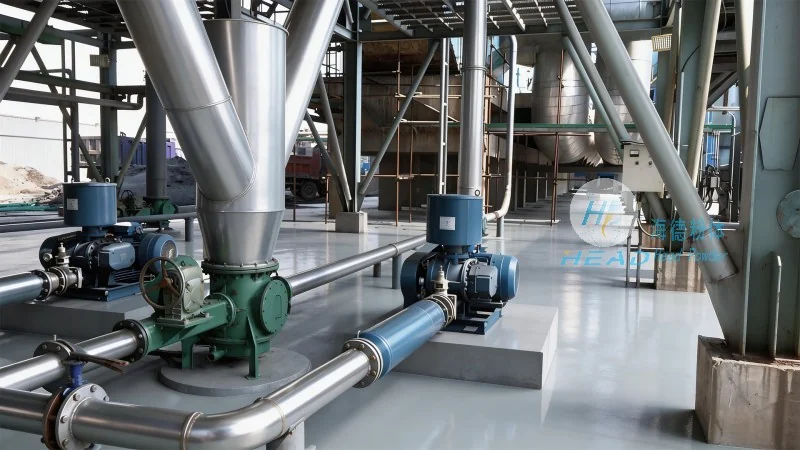
Pump-driven systems are the most prevalent method for water glass delivery due to their versatility and ability to handle high-viscosity fluids. These systems typically use centrifugal or positive displacement pumps, which can be electric, hydraulic, or air-driven. The choice of pump type depends on the specific viscosity and flow rate requirements. For example, centrifugal pumps are suitable for lower to medium viscosity water glass, while positive displacement pumps (such as gear or piston pumps) are preferred for higher viscosity applications. The pump system is usually integrated with a pipeline network that connects the storage tank to the processing equipment. Advantages of pump-driven systems include consistent flow rates, relatively low initial cost, and ease of integration with existing industrial infrastructure. However, they require regular maintenance to prevent wear and tear, and the risk of pump failure can lead to production downtime. Additionally, the high viscosity of water glass can cause pump clogging if not properly filtered, necessitating the use of strainers or filters to maintain system efficiency.
Pipeline and Hose Systems: Flexible and Versatile
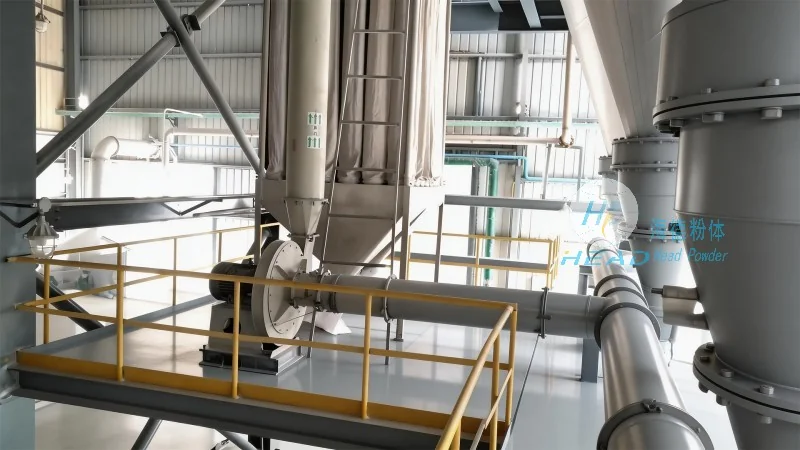
Pipeline and hose systems are widely used for water glass delivery due to their flexibility and adaptability to different operational setups. These systems consist of rigid or flexible pipes connected to the pump and the processing equipment. Flexible hoses are particularly advantageous for applications requiring frequent repositioning or movement of the delivery line, such as in mobile or portable setups. The material of the pipeline is critical, as water glass can be corrosive to certain metals. Common materials include stainless steel, PTFE (polytetrafluoroethylene), and rubber-lined pipes, which provide resistance to chemical attack and maintain fluid integrity. The advantages of pipeline systems include the ability to deliver water glass over longer distances without significant pressure loss, and the option to route the line around obstacles. However, they may require more space for installation and can be more expensive to set up compared to other methods. The flexibility of hoses allows for easier maintenance and replacement of sections, but the risk of hose degradation over time due to chemical exposure must be considered. Regular inspection and replacement of hoses are necessary to prevent leaks and ensure safety.
Gravity-Driven Systems: Simple and Low-Cost
Gravity-driven systems are a simple and cost-effective method for delivering water glass, particularly when the storage tank is located at a higher elevation than the processing equipment. In this setup, water glass flows from the storage tank to the processing point through a pipeline due to the force of gravity. The advantage of this method is that it eliminates the need for pumps, reducing energy consumption and maintenance costs. However, the effectiveness of gravity-driven systems is highly dependent on the vertical distance between the tank and the equipment. Insufficient height may result in insufficient flow rate, requiring additional equipment like a pump to boost the flow. The system is also limited by the viscosity of the water glass; very high viscosity fluids may not flow adequately under gravity alone. Gravity-driven systems are suitable for low-viscosity water glass or applications where the flow rate is not critical. They are particularly useful in small-scale operations or for emergency backup systems. The simplicity of this method makes it less prone to mechanical failures, but the lack of control over flow rate can be a disadvantage in applications requiring precise dosing.
Pressure Tank Systems: For High-Pressure Applications
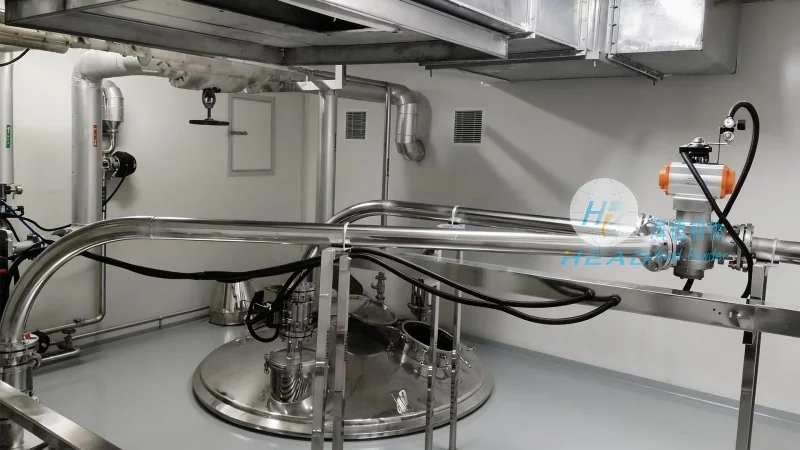
Pressure tank systems are used when water glass needs to be delivered at high pressure, such as in processes involving spray application or high-pressure mixing. These systems consist of a pressure tank that stores water glass under pressure, connected to the processing equipment via a pipeline. The pressure tank is typically equipped with a pressure regulator to maintain a consistent pressure level. The advantages of pressure tank systems include the ability to deliver water glass at a controlled and high pressure, ensuring uniform distribution in applications like coating or curing. This method is particularly useful for large-scale industrial operations where consistent pressure is essential. However, pressure tank systems require more robust equipment and higher initial investment compared to other methods. The pressure tank must be designed to withstand the internal pressure and be made of materials resistant to water glass corrosion. Regular maintenance of the pressure regulator and pressure relief valves is necessary to prevent over-pressurization and ensure safety. The high pressure can also increase the risk of leaks or equipment failure if not properly maintained.
Advantages and Disadvantages Summary
Each water glass delivery method has its own set of advantages and disadvantages, which must be carefully evaluated based on the specific requirements of the industrial application. Pump-driven systems offer versatility and consistent flow but require regular maintenance. Pipeline and hose systems provide flexibility and long-distance delivery but may be costly and require material selection for corrosion resistance. Gravity-driven systems are simple and low-cost but are limited by height and viscosity. Pressure tank systems deliver high pressure but involve higher costs and maintenance. The choice of delivery method should consider factors such as water glass viscosity, required flow rate, distance to be covered, available space, and budget constraints. By understanding these factors, industrial operators can select the most suitable water glass delivery system to ensure efficient and safe operation.
Conclusion
Efficient water glass delivery is a critical aspect of industrial operations, and the choice of delivery method significantly impacts production efficiency and product quality. The methods discussed, including pump-driven, pipeline, gravity-driven, and pressure tank systems, each offer unique advantages and challenges. Industrial operators should conduct a thorough analysis of their operational needs to select the most appropriate delivery system. For reliable and high-quality water glass delivery solutions, Shandong HeadPowder Engineering Co., Ltd. provides professional expertise and tailored systems to meet diverse industrial requirements. With a focus on safety, efficiency, and durability, HeadPowder ensures that water glass is delivered effectively and safely to the point of use, supporting optimal performance in various industrial applications.

 Công ty TNHH Kỹ thuật Công trình Bột Hải Đức Sơn Đông
 156-6277-7102(Quản lý Trương)
  0531-83386006
  Quận Chương Khâu, Thành phố Tế Nam, Tỉnh Sơn Đông, Trung Quốc
Điện thoại
WeChatTư vấn
Lên đầu