Công ty Hải Đức Bột với hơn 10 năm kinh nghiệm vận chuyển khí, cung cấp hệ thống‑thiết bị‑quạt gió và nhận dự án tổng thầu bột cả nước
In industrial applications, the efficient and safe transportation of glass powder is crucial for maintaining productivity and ensuring operational safety. Glass powder, with its fine particles and potential for dust generation, requires specialized conveying systems to handle its unique properties. This article explores the various methods used for glass powder conveying, highlighting the technologies and considerations that make them suitable for different industrial scenarios.
Understanding Glass Powder Properties and Conveying Challenges
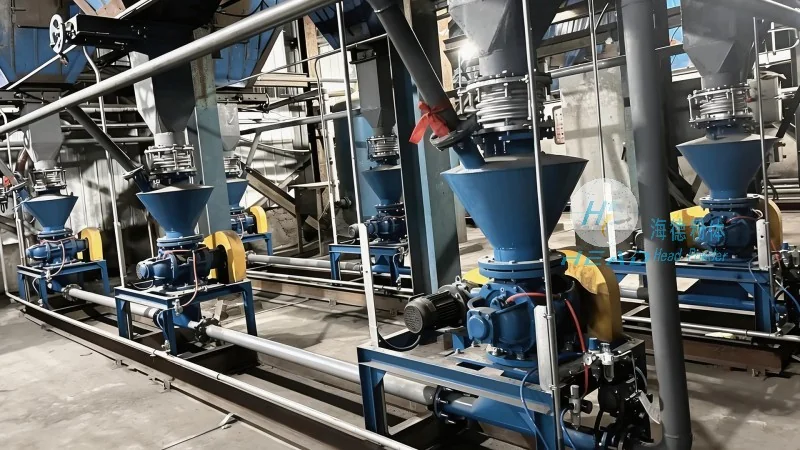
Before delving into specific conveying methods, it is essential to understand the characteristics of glass powder that influence the choice of transport system. Glass powder is typically fine, abrasive, and can be hygroscopic, meaning it may absorb moisture from the air. These properties affect how the powder behaves during transport, such as its tendency to clump, clog, or create dust that can impact air quality and worker safety. Additionally, the material's density and flowability vary depending on the type of glass (e.g., soda-lime, borosilicate) and the processing conditions. Proper handling of these challenges is critical to prevent equipment wear, ensure consistent flow rates, and maintain product quality.
Common Conveying Methods for Glass Powder
Several methods are commonly employed for glass powder transport, each with its own advantages and limitations. The selection of a method depends on factors like the volume of material to be transported, the distance, the required flow rate, and the environmental regulations in the facility. Key methods include:
Pneumatic Conveying Systems
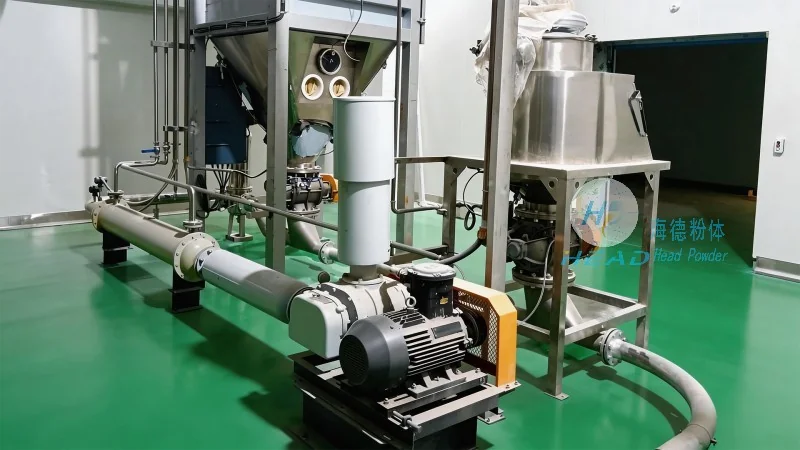
Pneumatic conveying is one of the most widely used techniques for glass powder transport. This method utilizes air or other gases to move the powder through a pipeline. There are two main types: pressure and vacuum systems. Pressure systems use compressed air to push the powder forward, while vacuum systems use a vacuum to pull the material. Pneumatic conveying is effective for both short and long distances and can handle a wide range of particle sizes. However, it requires careful control of air pressure and flow to prevent material degradation or clogging. For glass powder, which is often abrasive, specialized materials like stainless steel or PTFE-lined components are used to protect the system from wear and corrosion.
Positive Displacement Pumps and Conveyors
Positive displacement pumps and conveyors are another effective option for glass powder transport. These systems use a mechanical mechanism to move the powder by displacing it in a chamber or pipe. Examples include rotary lobe pumps, screw conveyors, and piston pumps. Positive displacement systems are particularly useful for handling high-viscosity or abrasive materials, as they provide a consistent flow rate regardless of pressure changes. They are also suitable for vertical or inclined transport, which can be challenging with other methods. However, these systems may require more maintenance due to the abrasive nature of glass powder, and they can be less efficient for very fine powders that tend to clog.
Gravity Conveying and Belt Conveyors
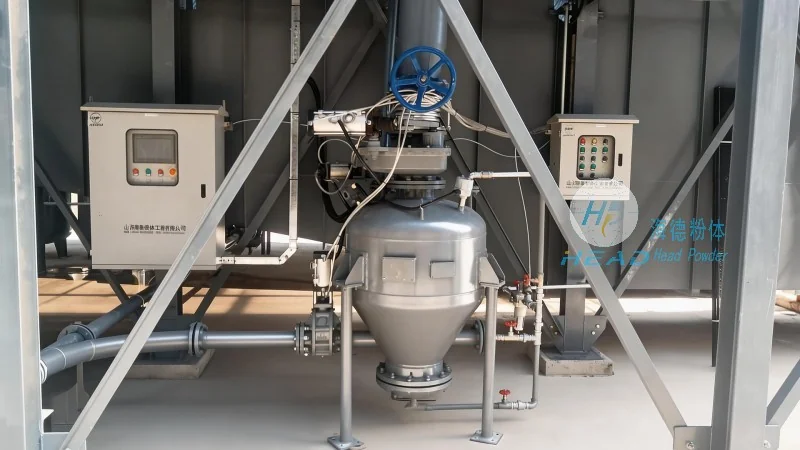
Gravity conveying and belt conveyors are often used for shorter distances or when the material can be transported by gravity. Belt conveyors are simple and cost-effective for moving glass powder from one point to another, especially in horizontal or slightly inclined applications. They are particularly useful for transporting larger quantities of material at a steady rate. However, belt conveyors may not be suitable for fine powders that can cause dust or for vertical lifts, as they can lead to material degradation or spillage. Gravity systems rely on the natural flow of the powder due to gravity, which is efficient but limited by the layout of the facility and the angle of the conveyor.
Electrostatic Conveying
Electrostatic conveying is a specialized method used for highly conductive or abrasive materials like glass powder. This technique involves applying an electric charge to the powder particles, which then move along a charged surface or tube due to electrostatic forces. Electrostatic conveyors are particularly effective for fine powders that are difficult to handle with traditional methods, as they can prevent clogging and ensure a smooth flow. However, they require careful control of the electric field to avoid material buildup or damage to the system. Additionally, proper grounding and safety measures are essential to prevent electrical hazards.
Considerations for Choosing the Right Conveying System
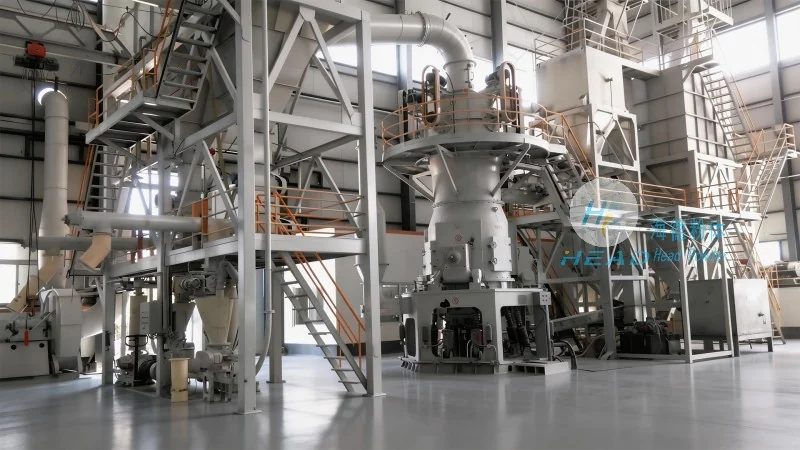
When selecting a glass powder conveying system, several factors must be considered to ensure optimal performance and safety. First, the volume and flow rate of the material must be matched to the capacity of the system. Overloading can lead to clogging or equipment failure. Second, the distance and layout of the facility will influence the choice between horizontal, vertical, or inclined transport. Third, the properties of the glass powder, such as particle size, moisture content, and abrasiveness, will dictate the type of equipment needed. For example, fine powders may require more robust filters and seals to prevent dust leakage. Finally, compliance with environmental regulations, such as dust control and emissions standards, is critical. Proper filtration and ventilation systems are essential to maintain air quality and protect workers from inhalation hazards.
Conclusion
Efficient glass powder conveying is a critical aspect of industrial operations, and the choice of method depends on a variety of factors. Pneumatic, positive displacement, gravity, and electrostatic systems each offer unique advantages and are suitable for different applications. By understanding the properties of glass powder and the specific requirements of the facility, manufacturers can select the most appropriate conveying system to ensure safe, reliable, and cost-effective transport. As a leading provider in the field, Shandong HeadPowder Engineering Co., Ltd. specializes in designing and manufacturing customized conveying solutions tailored to the needs of glass powder handling. With years of experience and a commitment to quality, HeadPowder offers innovative technologies and expert guidance to help industries optimize their glass powder transport processes.

 Công ty TNHH Kỹ thuật Công trình Bột Hải Đức Sơn Đông
 156-6277-7102(Quản lý Trương)
  0531-83386006
  Quận Chương Khâu, Thành phố Tế Nam, Tỉnh Sơn Đông, Trung Quốc
Điện thoại
WeChatTư vấn
Lên đầu