Công ty Hải Đức Bột với hơn 10 năm kinh nghiệm vận chuyển khí, cung cấp hệ thống‑thiết bị‑quạt gió và nhận dự án tổng thầu bột cả nước
When it comes to the efficient and reliable transportation of silicone powder, selecting the right conveying method is crucial for maintaining product quality and operational efficiency. As a leading manufacturer in the field, Shandong HeadPowder Engineering Co., Ltd. (referred to as HeadPowder) offers a range of advanced solutions tailored to meet diverse industrial needs. This article explores the primary methods for silicone powder conveying, highlighting their applications, advantages, and considerations for optimal performance.
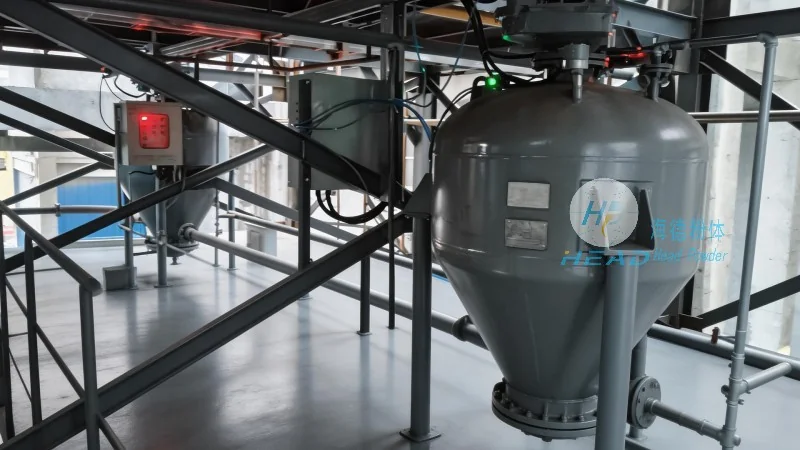
1. Screw Conveyor for Silicone Powder
One of the most common and effective methods for conveying silicone powder is through the use of a screw conveyor. This equipment consists of a rotating helical screw inside a U-shaped or cylindrical tube, which moves material from the inlet to the outlet through gravitational force and the rotation of the screw. For silicone powder, which often has a fine particle size and can be prone to caking or bridging, a properly designed screw conveyor can provide gentle and continuous movement, minimizing product degradation. HeadPowder’s screw conveyors are engineered with features such as variable speed drives, adjustable pitch screws, and anti-clogging mechanisms to ensure smooth operation even with challenging materials like silicone powder. The design also includes sealed housing to prevent dust emissions and maintain a clean working environment, which is essential in industries where dust control is a priority.
2. Pneumatic Conveying Systems
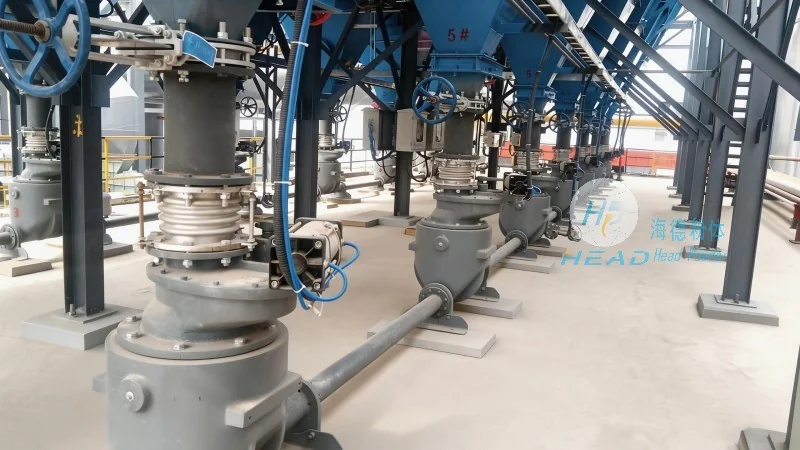
Another widely used method for silicone powder conveying is pneumatic systems, which utilize air or other gases to transport material through a pipeline. There are two main types of pneumatic conveying: pressure and vacuum systems. Pressure systems push the material using compressed air, while vacuum systems draw it in using a vacuum pump. For silicone powder, which is often light and can be easily suspended in air, pneumatic conveying offers high capacity and flexibility in terms of layout. HeadPowder’s pneumatic conveying systems are equipped with high-efficiency filters to capture fine particles and prevent contamination, ensuring that the conveyed material remains pure. Additionally, these systems can be integrated with dust collection and recycling units, making them environmentally friendly and cost-effective for long-term use. The choice between pressure and vacuum depends on factors such as the distance to be covered, the required flow rate, and the need for material containment, all of which are carefully considered in HeadPowder’s system design.
3. Vibrating Conveyors
Vibrating conveyors are another effective solution for silicone powder handling, particularly when dealing with materials that are prone to sticking or bridging. These systems use an oscillating motion to move material along a trough, which can be made of stainless steel or other corrosion-resistant materials to withstand the abrasive nature of silicone powder. The vibration frequency and amplitude are adjustable, allowing for customization to suit different particle sizes and flow characteristics. HeadPowder’s vibrating conveyors are designed with low maintenance requirements and high durability, making them suitable for continuous operation in industrial settings. They are also equipped with safety features such as overload protection and emergency stop buttons to ensure operator safety. The gentle movement of the vibrating conveyor minimizes product degradation and prevents the formation of lumps, which is critical for maintaining the quality of silicone powder used in applications like sealants, adhesives, and coatings.
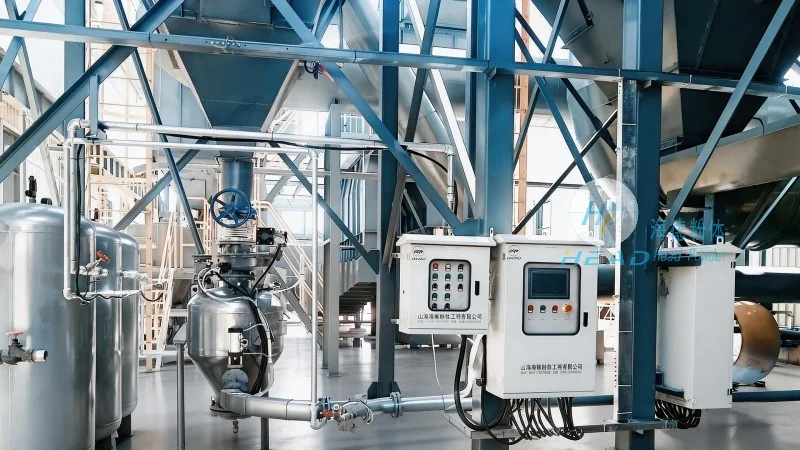
4. Belt Conveyors
Belt conveyors are a versatile option for transporting larger quantities of silicone powder, especially in bulk handling applications. These systems consist of a continuous belt that moves over rollers or pulleys, carrying the material from the loading point to the discharge point. For silicone powder, which may be mixed with other materials or require a smooth surface for even distribution, a belt conveyor can provide consistent and reliable transport. HeadPowder’s belt conveyors are available in various widths and lengths, with options for inclined or horizontal configurations to suit different production layouts. The belts are typically made of durable materials such as rubber or PVC, which are resistant to abrasion and chemical exposure from silicone powder. To prevent material spillage and maintain cleanliness, the conveyors are equipped with side guards and sealing mechanisms. Additionally, some models include integrated feeding or discharge hoppers to streamline the material handling process, reducing the need for manual intervention and improving overall efficiency.
5. Hydraulic Conveying
Hydraulic conveying is a specialized method that uses a liquid medium, often water or a mixture of water and other additives, to transport silicone powder. The material is suspended in the liquid and carried through a pipeline under pressure. This method is particularly effective for materials that are difficult to convey using air or mechanical systems, such as very fine or cohesive powders. HeadPowder’s hydraulic conveying systems are designed with high-pressure pumps and robust pipelines to ensure efficient transport over long distances. The system includes filtration and separation units to remove excess liquid and return it to the pump for reuse, minimizing water consumption and waste. Hydraulic conveying is often used in industries where the material must be kept in a wet state, such as in the production of silicone-based adhesives or sealants. However, it requires careful maintenance to prevent clogging and corrosion, which HeadPowder addresses through the use of corrosion-resistant materials and regular cleaning protocols.
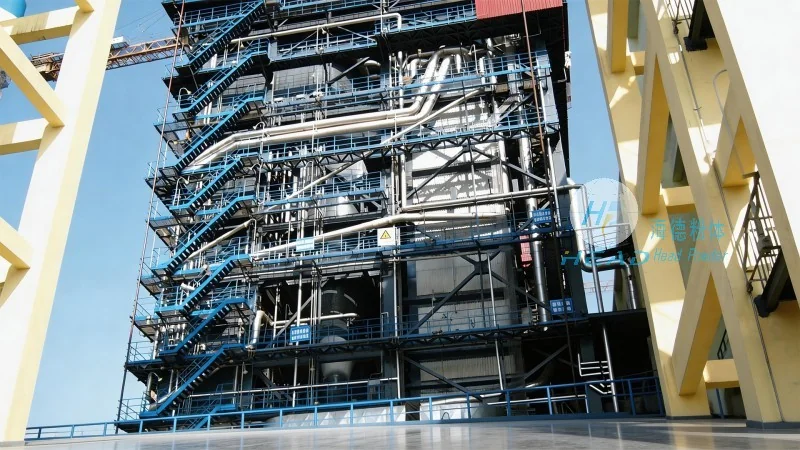
6. Combination Systems
In many industrial applications, a single conveying method may not be sufficient to meet all the requirements for silicone powder handling. HeadPowder offers combination systems that integrate multiple technologies to provide a comprehensive solution. For example, a system might combine a screw conveyor for initial feeding with a pneumatic conveyor for long-distance transport, or a vibrating conveyor for material conditioning followed by a belt conveyor for final discharge. These hybrid systems allow for greater flexibility and adaptability, enabling manufacturers to optimize their production processes based on specific needs. The combination of different conveying methods can also improve overall efficiency by reducing downtime and minimizing material loss. HeadPowder’s engineers work closely with clients to design customized combination systems that address their unique challenges, ensuring that the conveying process is both effective and cost-efficient.

 Công ty TNHH Kỹ thuật Công trình Bột Hải Đức Sơn Đông
 156-6277-7102(Quản lý Trương)
  0531-83386006
  Quận Chương Khâu, Thành phố Tế Nam, Tỉnh Sơn Đông, Trung Quốc
Điện thoại
WeChatTư vấn
Lên đầu