Công ty Hải Đức Bột với hơn 10 năm kinh nghiệm vận chuyển khí, cung cấp hệ thống‑thiết bị‑quạt gió và nhận dự án tổng thầu bột cả nước
When it comes to handling cocoa powder, efficient and reliable conveying systems are essential for maintaining product quality and operational efficiency. As a leading manufacturer in the industry, Shandong HeadPowder Engineering Co., Ltd. specializes in providing tailored solutions for cocoa powder transportation. This article explores the various methods available for cocoa powder conveying, highlighting the key considerations and applications for each approach.
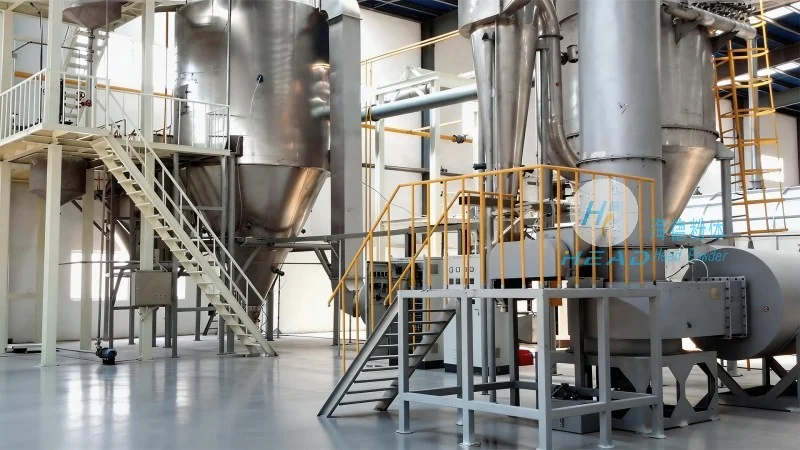
1. Screw Conveyors for Cocoa Powder
Screw conveyors, also known as auger conveyors, are a popular choice for cocoa powder handling due to their simplicity and effectiveness. These systems consist of a rotating helical screw inside a cylindrical tube, which moves the powder forward through the conveyor. The design allows for gentle material handling, minimizing product degradation and ensuring consistent flow rates. HeadPowder's screw conveyors are engineered with durable materials such as stainless steel to withstand the abrasive nature of cocoa powder, providing long-term reliability. The screw speed and pitch can be adjusted to control the conveying capacity and material movement, making them suitable for both small-scale and large-scale operations.
2. Pneumatic Conveying Systems
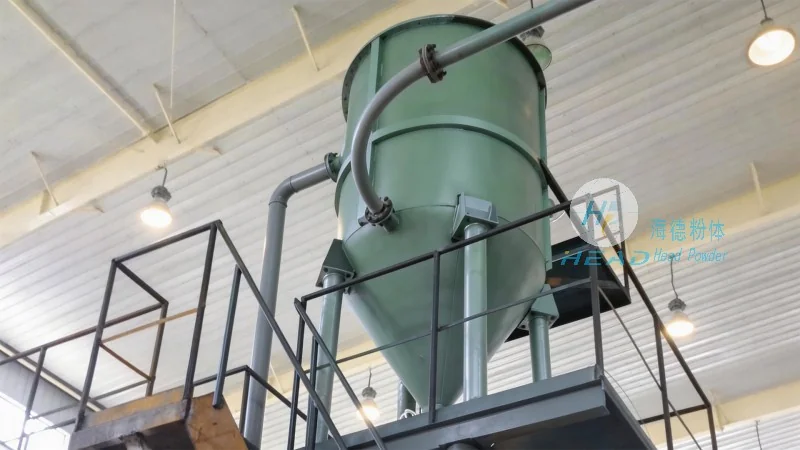
Pneumatic conveying, or air-powered systems, offer a flexible and efficient method for transporting cocoa powder, especially in applications requiring long-distance or high-volume movement. These systems use compressed air to create a flow of air and powder through a pipeline. There are two main types: pressure and vacuum systems. Pressure systems push the material forward using compressed air, while vacuum systems pull the powder into the pipeline. HeadPowder's pneumatic conveying solutions are designed with high-efficiency airlocks and filters to prevent product contamination and ensure clean operation. The systems can handle fine powders like cocoa powder without clogging, making them ideal for processes where dust control is critical.
3. Belt Conveyors
Belt conveyors are another common method for cocoa powder conveying, particularly in scenarios where bulk material handling is required. These systems use a continuous belt that moves the powder along a path, often with multiple sections and inclines. The design allows for smooth and continuous movement, reducing product breakage and maintaining product integrity. HeadPowder's belt conveyors are equipped with high-quality belts and drive systems to handle the weight and flow of cocoa powder. The conveyors can be customized with different belt materials, such as food-grade rubber, to ensure compatibility with the product. Additionally, the systems can be integrated with feeding and discharge mechanisms to streamline the entire conveying process.
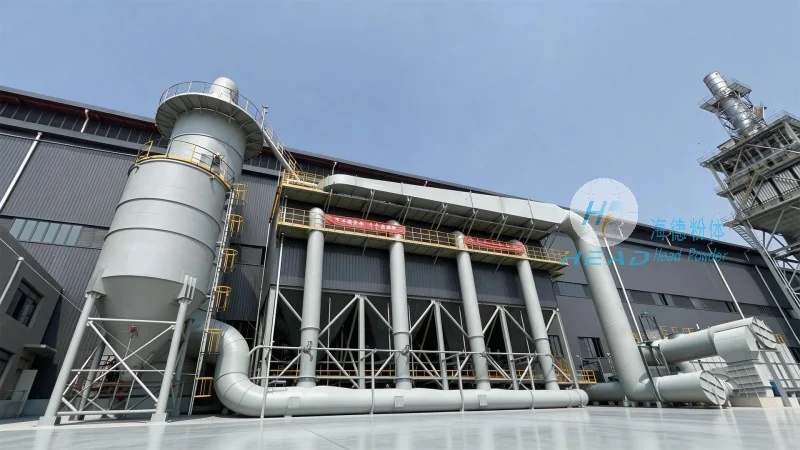
4. Bucket Elevators
Bucket elevators are vertical conveying systems that lift cocoa powder from lower to higher levels, making them suitable for applications where vertical movement is necessary. The system consists of a vertical casing with a continuous chain or belt that carries buckets. Each bucket is filled with cocoa powder at the bottom and empties at the top, allowing for efficient vertical transport. HeadPowder's bucket elevators are designed with durable buckets and robust drive mechanisms to handle the abrasive nature of cocoa powder. The systems can be customized with different bucket sizes and spacing to optimize the conveying capacity and reduce material spillage. Bucket elevators are particularly useful in facilities where space is limited and vertical movement is required.
5. Vibrating Conveyors
Vibrating conveyors use vibration to move cocoa powder along a trough, providing a gentle and consistent flow. The system consists of a trough that is vibrated at a specific frequency and amplitude, causing the powder to move forward. HeadPowder's vibrating conveyors are engineered with adjustable vibration settings to control the conveying speed and material movement. The design allows for low maintenance and minimal product degradation, making them suitable for sensitive materials like cocoa powder. The conveyors can be customized with different trough materials, such as stainless steel or food-grade plastic, to ensure compatibility with the product. Vibrating conveyors are particularly effective in applications where horizontal or slight incline movement is required, and where dust control is a priority.
Choosing the Right Conveying Method for Cocoa Powder
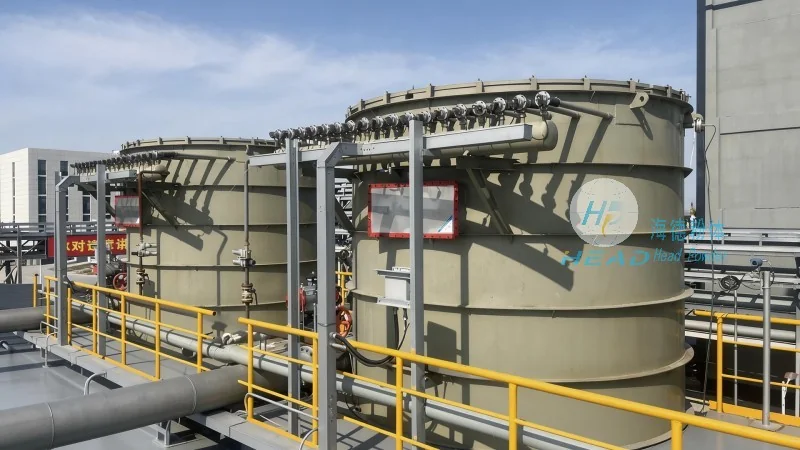
When selecting a conveying method for cocoa powder, several factors must be considered to ensure optimal performance and product quality. These factors include the material's characteristics, such as particle size, moisture content, and flowability, as well as the operational requirements like conveying distance, capacity, and space constraints. HeadPowder's experts provide comprehensive consultations to help clients choose the most suitable conveying system based on their specific needs. By evaluating the advantages and limitations of each method, clients can make informed decisions that enhance operational efficiency and maintain product integrity.
Conclusion
Efficient cocoa powder conveying is crucial for maintaining product quality and operational efficiency in the food processing industry. Shandong HeadPowder Engineering Co., Ltd. offers a range of conveying solutions tailored to the unique needs of cocoa powder handling. Whether using screw conveyors, pneumatic systems, belt conveyors, bucket elevators, or vibrating conveyors, HeadPowder's products are designed to provide reliable and effective transportation. By understanding the different methods and their applications, businesses can select the best conveying system to meet their operational requirements and ensure consistent product quality.

 Công ty TNHH Kỹ thuật Công trình Bột Hải Đức Sơn Đông
 156-6277-7102(Quản lý Trương)
  0531-83386006
  Quận Chương Khâu, Thành phố Tế Nam, Tỉnh Sơn Đông, Trung Quốc
Điện thoại
WeChatTư vấn
Lên đầu