Công ty Hải Đức Bột với hơn 10 năm kinh nghiệm vận chuyển khí, cung cấp hệ thống‑thiết bị‑quạt gió và nhận dự án tổng thầu bột cả nước
Efficient and reliable ash and slag transport is a critical component in various industrial processes, particularly in power generation and waste management sectors. The proper selection of conveying methods ensures operational safety, environmental compliance, and cost-effectiveness. This article explores the primary methods used for ash and slag transport, focusing on the technologies and considerations that make each approach suitable for different applications.
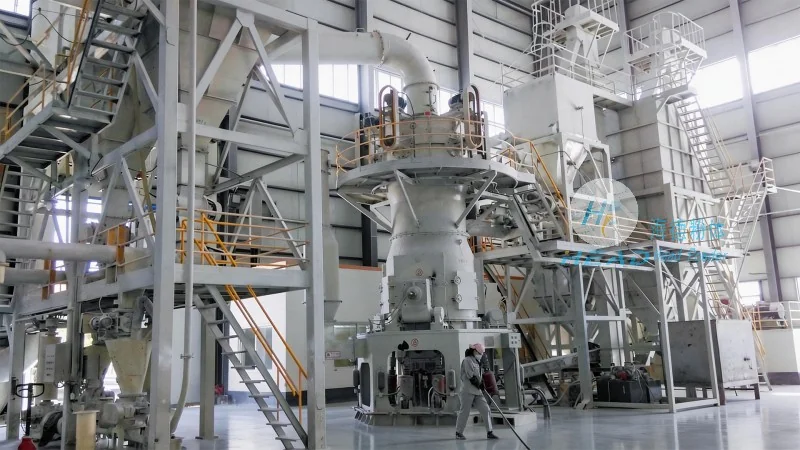
Key Factors Influencing Conveying Method Selection
Before delving into specific conveying techniques, it's essential to understand the key factors that influence the choice of method. These factors include the physical properties of the ash and slag (such as particle size, moisture content, and density), the distance to be covered, the required throughput, and the environmental regulations governing the operation. Additionally, the availability of space, budget constraints, and the need for minimal maintenance also play significant roles in determining the most appropriate conveying solution.
1. Mechanical Conveying Systems
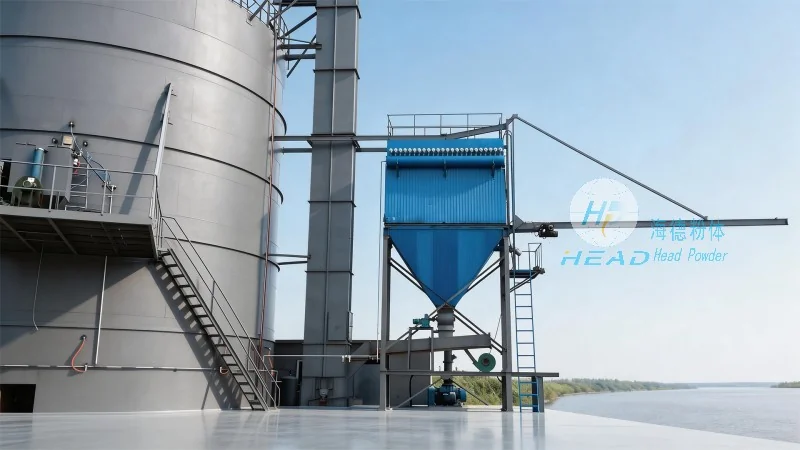
Mechanical conveying systems are among the most common methods for transporting ash and slag due to their robustness and reliability. These systems typically utilize components like belts, chains, or screws to move the material. For example, belt conveyors are widely used for horizontal and slight incline transport, capable of handling large volumes of material over long distances. Screw conveyors, on the other hand, are ideal for vertical or inclined transport, especially when dealing with fine or sticky materials. The choice between these mechanical systems often depends on the specific characteristics of the ash and slag being handled, as well as the layout of the facility.
2. Pneumatic Conveying Systems
Pneumatic conveying systems utilize air or other gases to transport ash and slag through pipelines. This method is particularly advantageous for applications requiring enclosed transport, minimizing dust emissions and environmental impact. There are two main types of pneumatic conveying: dilute-phase and dense-phase. Dilute-phase systems use high-velocity air to suspend the material, suitable for short to medium distances and low to medium particle sizes. Dense-phase systems, conversely, use lower air velocities and higher material concentrations, making them ideal for longer distances and larger particles. The selection between these two depends on factors such as the distance to be covered, the material's properties, and the required throughput.
3. Hydraulic Conveying Systems
Hydraulic conveying systems employ water or other liquids to transport ash and slag, typically in a slurry form. This method is commonly used in applications where the ash and slag are highly abrasive or have a high moisture content. The slurry is pumped through pipelines, and the system often includes components like pumps, valves, and filters to maintain efficiency. Hydraulic conveying is particularly effective for long-distance transport and can handle large volumes of material. However, it requires careful management of water usage and disposal, as well as regular maintenance to prevent clogging and wear.
4. Combination Conveying Systems
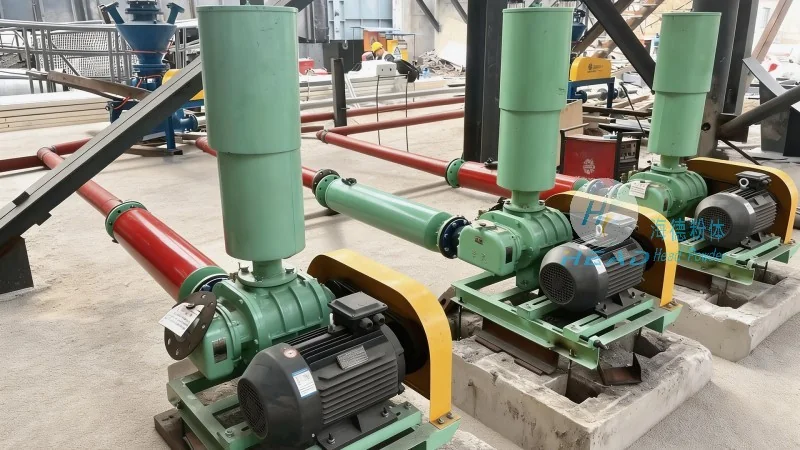
In many industrial settings, a single conveying method may not be sufficient to meet all operational requirements. Combination systems, which integrate multiple technologies, are increasingly used to address complex transport challenges. For instance, a system might combine mechanical and pneumatic components to handle both dry and wet ash, or use a combination of screw and belt conveyors to transport material over varying distances and inclines. These hybrid systems offer flexibility and adaptability, allowing facilities to optimize their conveying processes based on changing conditions and operational needs.
Company Profile: Shandong HeadPowder Engineering Co., Ltd.
Shandong HeadPowder Engineering Co., Ltd. is a leading provider of ash and slag conveying solutions, with a strong presence in China. The company specializes in designing, manufacturing, and installing a wide range of conveying systems tailored to the specific needs of its clients. With a focus on innovation and quality, HeadPowder Engineering ensures that its products meet the highest industry standards, providing reliable and efficient solutions for ash and slag transport. The company's headquarters is located in Shandong, China, where it leverages its local expertise and resources to serve a diverse range of industrial sectors.

 Công ty TNHH Kỹ thuật Công trình Bột Hải Đức Sơn Đông
 156-6277-7102(Quản lý Trương)
  0531-83386006
  Quận Chương Khâu, Thành phố Tế Nam, Tỉnh Sơn Đông, Trung Quốc
Điện thoại
WeChatTư vấn
Lên đầu