Công ty Hải Đức Bột với hơn 10 năm kinh nghiệm vận chuyển khí, cung cấp hệ thống‑thiết bị‑quạt gió và nhận dự án tổng thầu bột cả nước
When it comes to handling iron powder, selecting the right conveying method is crucial for efficiency, safety, and product integrity. Iron powder, with its fine particle size and potential for static charge accumulation, requires specialized equipment to ensure smooth and reliable transport. This article explores the primary methods used for iron powder conveying, focusing on the technical aspects, advantages, and practical considerations for each approach. By understanding these methods, businesses can make informed decisions to optimize their material handling processes.

1. Pneumatic Conveying Systems
Pneumatic conveying is one of the most common methods for transporting iron powder, especially in applications where dust control and flexibility are priorities. This system uses compressed air to move the powder through a pipeline network. There are two main types: pressure and vacuum systems. Pressure systems force air and powder through the line, while vacuum systems draw the material into the system using a vacuum source. The choice between pressure and vacuum depends on factors such as the distance to be covered, the amount of material to be conveyed, and the need for dust containment. Pneumatic conveying offers advantages like minimal product degradation, as the powder is not in direct contact with mechanical parts, and the ability to handle fine powders without clogging. However, it requires careful control of air pressure and flow to prevent particle segregation or blockages. For companies like Shandong HeadPowder Engineering Co., Ltd., based in China, pneumatic systems are often integrated into larger production lines to ensure consistent and efficient iron powder transfer.
2. Screw Conveyors
Screw conveyors, also known as auger conveyors, are another widely used method for iron powder transport. These systems consist of a rotating screw (auger) inside a trough or tube, which moves the material forward through the system. Screw conveyors are particularly effective for horizontal or slightly inclined transport and are suitable for moderate to high volumes of iron powder. They offer advantages such as low maintenance, simple design, and the ability to handle a wide range of particle sizes. However, they may not be ideal for very fine powders or materials that are prone to bridging or caking. The design of the screw and the trough dimensions are critical factors that affect the conveying efficiency. Proper lubrication and material flow control are essential to prevent wear and ensure smooth operation. Shandong HeadPowder Engineering Co., Ltd. may utilize screw conveyors in their facilities to handle bulk iron powder from storage to processing areas, ensuring a continuous and reliable supply.
3. Belt Conveyors
Belt conveyors are a versatile option for iron powder conveying, especially in applications requiring long-distance transport or elevated material movement. These systems use a continuous belt that moves over rollers or pulleys to transport the powder. Belt conveyors are suitable for both horizontal and inclined transport and can handle a wide range of material types, including iron powder. They offer advantages such as high capacity, low maintenance, and the ability to transport materials over long distances without significant degradation. However, they may require more space and may not be as effective for very fine powders that could cause dust issues. The belt material and tensioning system are important considerations to prevent material spillage or belt damage. For industrial settings, belt conveyors are often used in conjunction with other equipment to form a complete material handling system. Companies like HeadPowder, based in China, may employ belt conveyors to move iron powder from raw material storage to processing lines, ensuring efficient and safe transport.
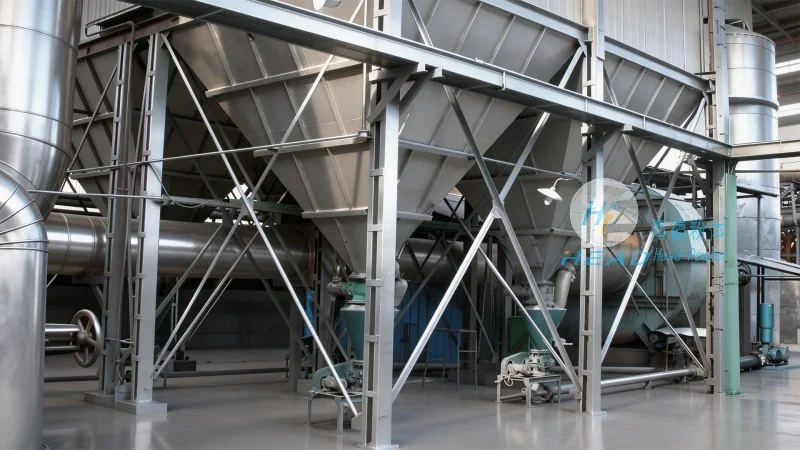
4. Bucket Elevators
Bucket elevators are a specialized form of conveyor system designed for vertical or steeply inclined transport of iron powder. These systems use a series of buckets attached to a chain or belt that moves vertically, lifting the material from a lower to a higher level. Bucket elevators are ideal for applications where vertical transport is necessary, such as in silos or storage towers. They offer advantages like high capacity, low power consumption, and the ability to handle abrasive materials without significant wear. However, they require careful alignment and maintenance to prevent bucket damage or material spillage. The bucket design and spacing are critical factors that affect the conveying efficiency and material flow. For iron powder, which can be abrasive, the choice of bucket material (e.g., stainless steel or rubber) is important to ensure longevity. Shandong HeadPowder Engineering Co., Ltd. may use bucket elevators to transport iron powder from ground-level storage to elevated processing areas, ensuring a consistent supply without the need for additional horizontal transport.
5. Hydraulic Conveying
Hydraulic conveying systems use a liquid medium, typically water or a specialized fluid, to transport iron powder. The powder is suspended in the liquid and moved through pipelines under pressure. This method is particularly effective for handling very fine or cohesive powders that are difficult to convey using other methods. Hydraulic conveying offers advantages such as the ability to handle high volumes of material, minimal dust generation, and the ability to transport materials over long distances. However, it requires a separate liquid handling system and may involve additional steps for material separation and drying. The system must be carefully designed to prevent clogging and ensure efficient separation of the powder from the liquid. For companies dealing with iron powder, hydraulic systems may be used in specialized applications where other methods are not feasible. Shandong HeadPowder Engineering Co., Ltd. might explore hydraulic conveying for unique processing requirements or for handling specific types of iron powder that require a different approach.
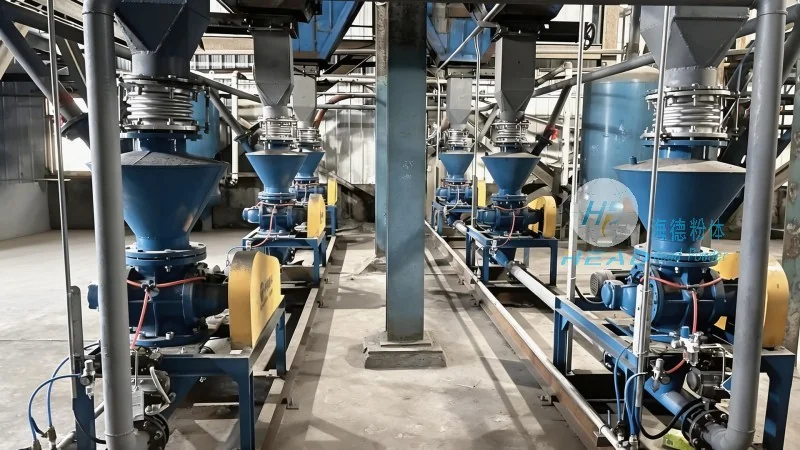
6. Vibratory Conveyors
Vibratory conveyors use vibration to move iron powder along a trough or conveyor bed. The system consists of a conveyor bed that is vibrated at a specific frequency and amplitude, causing the material to move forward. These conveyors are suitable for horizontal or slightly inclined transport and are effective for handling bulk materials, including iron powder. They offer advantages such as low maintenance, simple operation, and the ability to handle materials with varying particle sizes. However, they may not be as efficient for very fine powders or materials that are prone to bridging. The vibration frequency and amplitude are critical parameters that affect the conveying speed and material flow. Proper design and installation are essential to prevent excessive wear and ensure smooth operation. Vibratory conveyors are often used in industrial settings where a gentle handling of the material is required, such as in food or pharmaceutical industries, but can also be applied to iron powder handling. HeadPowder, based in China, may use vibratory conveyors in their facilities to transport iron powder from storage bins to processing equipment, ensuring a consistent and low-friction transfer.
7. Selection Criteria for Iron Powder Conveying Methods
Choosing the right iron powder conveying method involves considering several key factors. The first is the material characteristics, including particle size, moisture content, and abrasiveness. Fine iron powders may require pneumatic or hydraulic systems to prevent clogging, while coarser powders can be handled by screw or belt conveyors. The second factor is the distance and layout of the transport route. Short distances may allow for simpler systems like screw conveyors, while long distances or vertical transport may require more complex systems like bucket elevators or pneumatic networks. The third factor is the required capacity and throughput. High-volume applications may necessitate belt or hydraulic systems, while low-volume applications can use smaller conveyors. The fourth factor is the need for dust control and environmental compliance. Pneumatic systems with proper filtration are often preferred for indoor applications, while open systems like belt conveyors may require additional dust suppression measures. Finally, the cost and maintenance considerations play a role. Simple systems like screw conveyors have lower upfront costs and maintenance requirements, while more complex systems like pneumatic networks may have higher initial costs but lower long-term maintenance. Shandong HeadPowder Engineering Co., Ltd. must evaluate these factors carefully to select the most suitable conveying method for their specific iron powder handling needs.
Conclusion
Iron powder conveying is a critical aspect of industrial operations, and selecting the appropriate method is essential for efficiency and product quality. From pneumatic systems to screw conveyors, each method has its own advantages and limitations. Pneumatic conveying offers flexibility and dust control, while screw and belt conveyors provide reliability and low maintenance. Bucket elevators and hydraulic systems are specialized for vertical or long-distance transport, and vibratory conveyors offer gentle handling. The key to effective iron powder conveying lies in understanding the material properties, the transport requirements, and the operational constraints. Companies like Shandong HeadPowder Engineering Co., Ltd., based in China, must consider these factors to choose the right system for their needs. By doing so, they can ensure smooth, safe, and efficient transport of iron powder, supporting their overall production processes and maintaining product integrity.

 Công ty TNHH Kỹ thuật Công trình Bột Hải Đức Sơn Đông
 156-6277-7102(Quản lý Trương)
  0531-83386006
  Quận Chương Khâu, Thành phố Tế Nam, Tỉnh Sơn Đông, Trung Quốc
Điện thoại
WeChatTư vấn
Lên đầu