Công ty Hải Đức Bột với hơn 10 năm kinh nghiệm vận chuyển khí, cung cấp hệ thống‑thiết bị‑quạt gió và nhận dự án tổng thầu bột cả nước
When it comes to handling soybean cake in industrial settings, the choice of conveying method is critical for efficiency, cost-effectiveness, and operational safety. As a leading provider in the field, Shandong HeadPowder Engineering Co., Ltd. offers a range of solutions tailored to meet diverse production needs. This article explores the primary methods used for soybean cake conveying, highlighting their applications, advantages, and considerations.
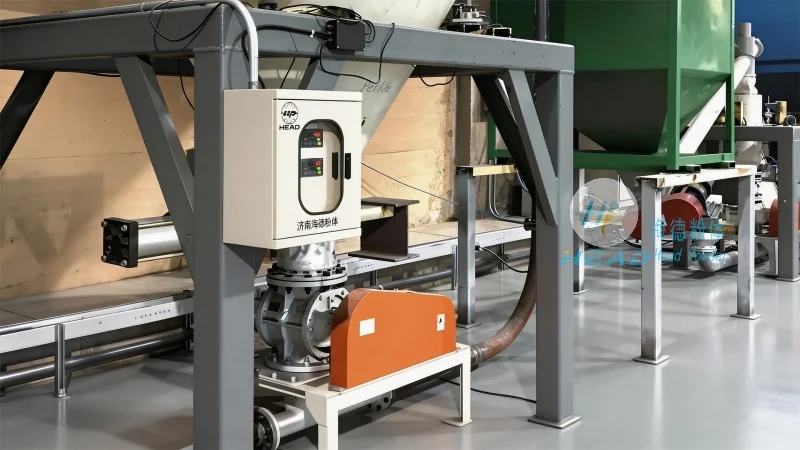
1. Belt Conveyors for Soybean Cake Transport
Belt conveyors are one of the most common and versatile systems for transporting soybean cake. These systems utilize a continuous belt, typically made of durable materials like rubber or PVC, to move the cake from one point to another. The belt is supported by rollers and guided by idlers, ensuring smooth and consistent movement. For soybean cake, which can be dense and potentially sticky, the belt material is often chosen for its non-stick properties and resistance to wear. This method is particularly effective in continuous production lines where a steady flow of material is required. The design can be customized to handle varying cake densities and moisture levels, making it adaptable to different processing stages. Belt conveyors also offer low maintenance requirements and the ability to integrate with other equipment, such as crushers or dryers, for a seamless workflow.
2. Screw Conveyors for Vertical and Horizontal Transport
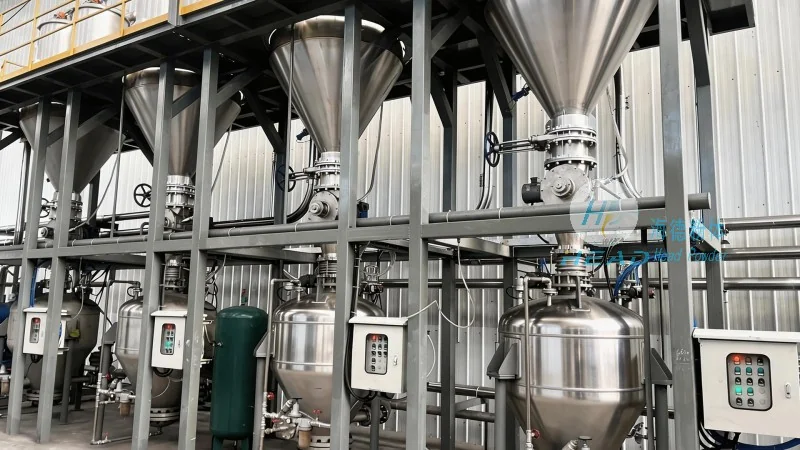
Screw conveyors, also known as auger conveyors, are another popular option for soybean cake conveying. These systems use a rotating screw (auger) inside a trough to move the material. The screw can be designed for both horizontal and vertical transport, allowing for flexibility in layout. Horizontal screw conveyors are ideal for moving cake over short to medium distances, while vertical screw conveyors are used for elevating the material to higher levels. The screw's pitch and speed can be adjusted to control the flow rate, which is crucial for preventing material buildup or spillage. For soybean cake, which may have a tendency to clump, the screw's design may include flights or a spiral pattern to break up the material and ensure consistent movement. Screw conveyors are particularly advantageous in environments where space is limited or where the cake needs to be elevated without the need for additional machinery. They also provide a closed system, which helps in maintaining hygiene and preventing dust or odors from escaping.
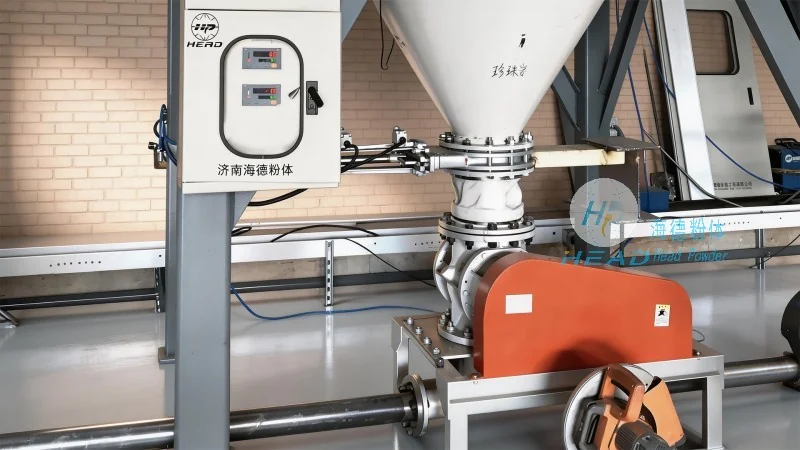
3. Pneumatic Conveying Systems for Bulk Material Handling
Pneumatic conveying systems use air or gas to transport soybean cake through a pipeline. This method is especially useful for handling fine or dusty cake particles, as it can move the material without direct contact. There are two main types of pneumatic conveyors: pressure and vacuum. Pressure systems force air and the cake into the pipeline using a blower or compressor, while vacuum systems draw the material into the line using a vacuum pump. For soybean cake, which may be prone to dust generation during handling, pneumatic systems offer a clean and efficient solution. They can transport the cake over longer distances with minimal loss and are well-suited for applications where the cake needs to be moved from one processing unit to another. Pneumatic conveyors are also relatively quiet and can be integrated with dust collection systems to maintain a clean working environment. However, they require careful design to ensure proper air flow and prevent blockages, especially with denser cake materials.
4. Hydraulic Conveyors for Heavy-Duty Applications
For heavy-duty industrial applications involving large volumes of soybean cake, hydraulic conveyors may be employed. These systems use hydraulic power to move the material through a system of pipes and valves. The hydraulic fluid drives pistons or cylinders that push the cake along the conveyor path. Hydraulic conveyors are capable of handling high loads and can operate in harsh environments, such as those with high temperatures or abrasive materials. They are particularly useful in situations where the cake is very dense or has a high moisture content, as the hydraulic pressure can effectively move the material without the need for mechanical components that might wear out quickly. While more complex and expensive than other systems, hydraulic conveyors offer high reliability and the ability to handle extreme conditions. They are often used in large-scale processing plants where the efficiency and durability of the conveying system are paramount.
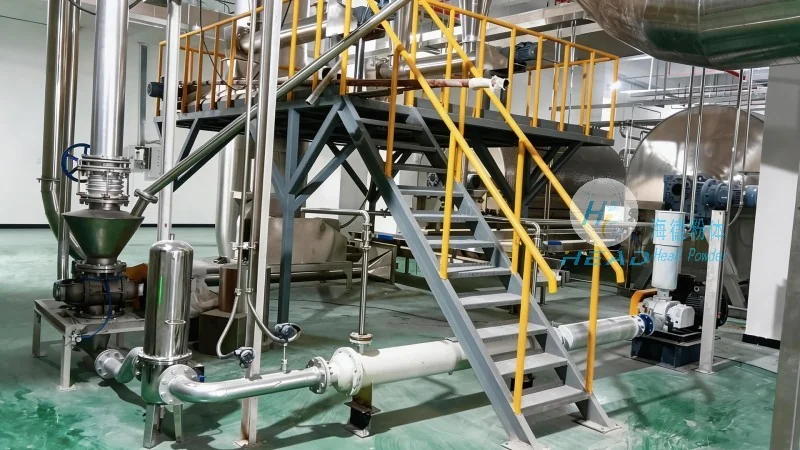
About Shandong HeadPowder Engineering Co., Ltd.
Shandong HeadPowder Engineering Co., Ltd., commonly known as headpowder, is a leading manufacturer and supplier of conveying systems and industrial equipment. With its headquarters in Shandong, China, the company specializes in designing and producing solutions tailored to the needs of the agricultural and food processing industries. Headpowder's expertise lies in creating efficient, reliable, and cost-effective conveying systems that meet the specific requirements of soybean cake processing. The company's products are known for their durability, low maintenance, and adaptability to various production environments. By leveraging advanced engineering and quality materials, headpowder ensures that its conveying systems deliver optimal performance and longevity, helping clients improve their operational efficiency and reduce downtime. The company's commitment to innovation and customer satisfaction has made it a trusted partner in the industry, providing comprehensive solutions for soybean cake handling and processing.

 Công ty TNHH Kỹ thuật Công trình Bột Hải Đức Sơn Đông
 156-6277-7102(Quản lý Trương)
  0531-83386006
  Quận Chương Khâu, Thành phố Tế Nam, Tỉnh Sơn Đông, Trung Quốc
Điện thoại
WeChatTư vấn
Lên đầu