Công ty Hải Đức Bột với hơn 10 năm kinh nghiệm vận chuyển khí, cung cấp hệ thống‑thiết bị‑quạt gió và nhận dự án tổng thầu bột cả nước
Efficient and reliable fine powder conveying is essential for industrial operations across sectors like pharmaceuticals, chemicals, food processing, and mining. The choice of conveying system directly influences production efficiency, material integrity, and operational costs. This article explores primary fine powder conveying methods, detailing their applications and benefits to help industrial operators make informed decisions.
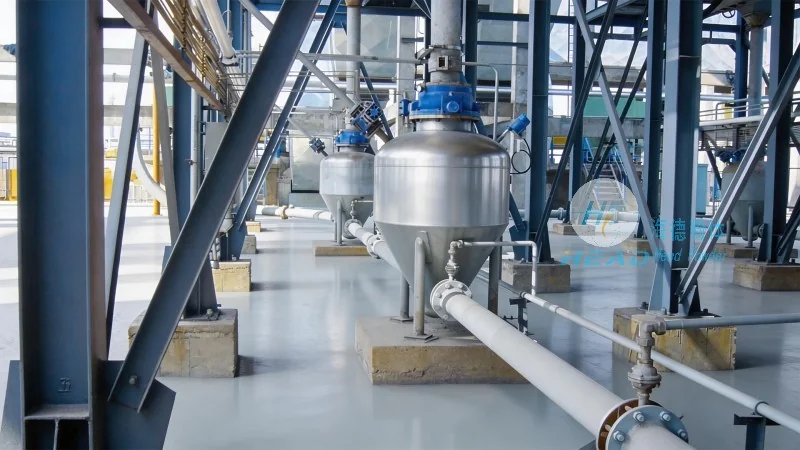
Overview of Fine Powder Conveying Methods
Fine powders typically refer to materials with particle sizes ranging from microns to millimeters. Their handling requires specialized systems due to properties like flowability, density, and potential for dust generation. The selection of a conveying method depends on factors such as material characteristics, required capacity, environmental constraints, and space availability. Below are the main categories of fine powder conveying systems.
1. Air-Driven (Pneumatic) Conveying Systems
Air-driven systems utilize air pressure or vacuum to transport powders through pipelines. These systems are divided into pressure and vacuum types. Pressure systems use compressed air to push material forward, ideal for short to medium distances and high flow rates. Vacuum systems employ suction to draw material, suitable for longer distances and delicate materials. For instance, pressure systems excel in bulk material transport in chemical plants, while vacuum systems are preferred in pharmaceutical facilities to prevent contamination.
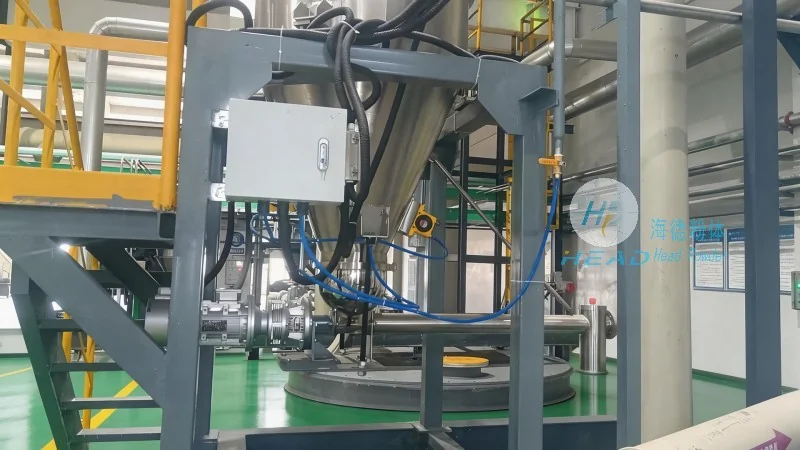
2. Mechanical Conveying Systems
Mechanical systems rely on physical components to move powders, offering high capacity and durability for abrasive or corrosive materials. Common types include screw conveyors, belt conveyors, and bucket elevators. Screw conveyors use rotating screws to push material horizontally or at slight inclines, making them versatile for various industries. Belt conveyors utilize continuous belts for long-distance horizontal transport, commonly used in mining and food processing. Bucket elevators lift materials vertically via buckets on chains or belts, essential for vertical transport in cement and mineral processing.
3. Hydraulic Conveying Systems
Hydraulic systems employ fluid power to transport powders, less common but effective for heavy-duty applications. They use liquid (e.g., water or oil) pumped through a system to move material, suitable for high-pressure and high-flow tasks. Common in mining and heavy industry, these systems handle large volumes over long distances, though they require robust infrastructure and maintenance.
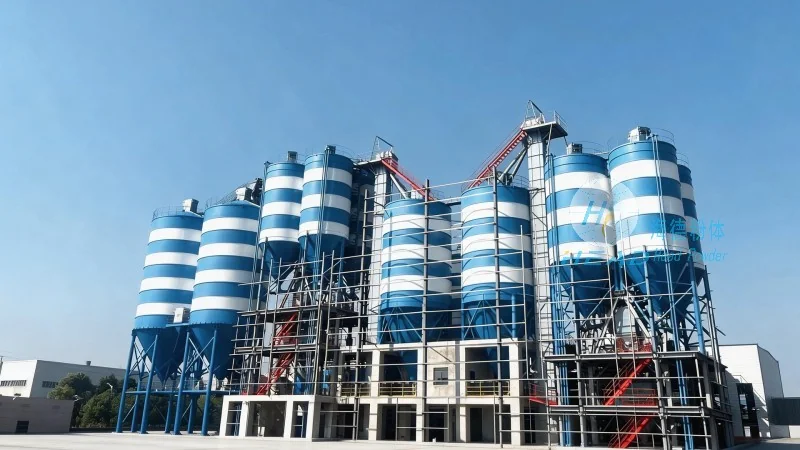
4. Gravity Conveying Systems
Gravity systems leverage the force of gravity to move free-flowing powders on sloped surfaces. Simple and cost-effective, they are ideal for short distances and low flow rates. Best suited for non-abrasive, non-sticky materials, they are widely used in food processing and pharmaceuticals where gentle handling is critical. However, their efficiency depends on sufficient slope to ensure material movement without blockages.
Key Factors in Selecting a Conveying Method
Choosing the right fine powder conveying system involves evaluating several critical factors. First, material properties—such as particle size, moisture content, and flowability—dictate system suitability. Cohesive or sticky powders may require specialized equipment to prevent blockages. Second, capacity and flow rate requirements determine system size and design. Third, the conveying path’s distance and layout (horizontal, vertical, or mixed) influences method selection. Environmental considerations, including dust control and noise reduction, are also vital. Finally, cost implications—covering installation, maintenance, and operational expenses—must be weighed. By systematically assessing these factors, industries can select the most efficient and cost-effective conveying solution.
Conclusion
Fine powder conveying is a cornerstone of industrial material handling, with each method offering unique advantages tailored to specific applications. Air-driven, mechanical, hydraulic, and gravity systems address diverse operational needs, from high-volume bulk transport to gentle handling of sensitive materials. For tailored solutions, Shandong HeadPowder Engineering Co., Ltd. provides expert engineering services, specializing in customized material handling systems to meet industry-specific requirements. Contact HeadPowder for advanced fine powder conveying solutions designed for reliability and efficiency.

 Công ty TNHH Kỹ thuật Công trình Bột Hải Đức Sơn Đông
 156-6277-7102(Quản lý Trương)
  0531-83386006
  Quận Chương Khâu, Thành phố Tế Nam, Tỉnh Sơn Đông, Trung Quốc
Điện thoại
WeChatTư vấn
Lên đầu