Công ty Hải Đức Bột với hơn 10 năm kinh nghiệm vận chuyển khí, cung cấp hệ thống‑thiết bị‑quạt gió và nhận dự án tổng thầu bột cả nước
Grain transportation is a fundamental operation in the agricultural and food processing sectors, ensuring the efficient movement of bulk materials from storage to processing or distribution points. Various methods are employed to handle different grain types and operational requirements, each offering unique advantages in terms of efficiency, cost, and adaptability. This article examines several common methods used for grain transportation, detailing their mechanisms, applications, and benefits in industrial settings.
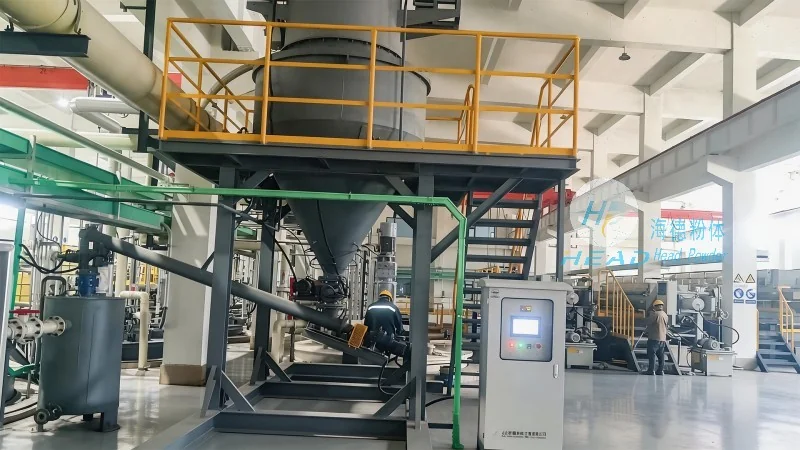
Screw Conveyors: A Versatile Option for Granular Material Transport
Screw conveyors, also known as augers, are widely utilized for transporting dry, free-flowing grains such as wheat, corn, and rice. These systems consist of a rotating helical screw housed within a trough or tube, which moves material along the length of the conveyor. The design allows for both horizontal and vertical transport, making them adaptable to different layout configurations. Screw conveyors excel in handling fine powders and granular materials without causing excessive wear or contamination. Their compact design and low maintenance requirements make them a cost-effective solution for many grain handling operations. The smooth, continuous flow of material ensures consistent performance, which is crucial for maintaining production efficiency in processing facilities.
Bucket Elevators: Vertical Transport Solutions for Grain Handling
Bucket elevators, or vertical conveyors, are essential for lifting grains from lower to higher elevations, such as from silos to processing plants. These systems use a series of buckets attached to a belt or chain that moves vertically, transporting grain in a continuous flow. The robust construction and high capacity of bucket elevators make them suitable for large-scale grain handling operations. They are often integrated with storage silos and processing lines, providing an efficient vertical transport solution. The ability to handle abrasive materials and maintain consistent flow rates contributes to their widespread adoption in the industry. Additionally, bucket elevators can be customized with different bucket designs and drive systems to suit specific operational needs.
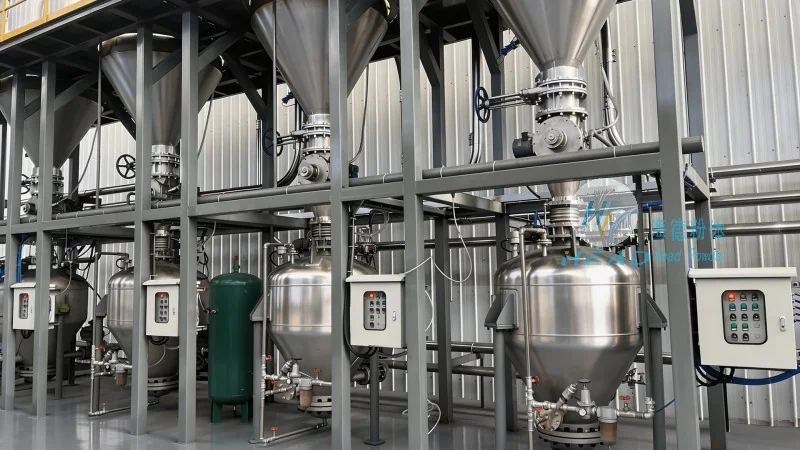
Pneumatic Conveying Systems: Air-Powered Transport for Grains
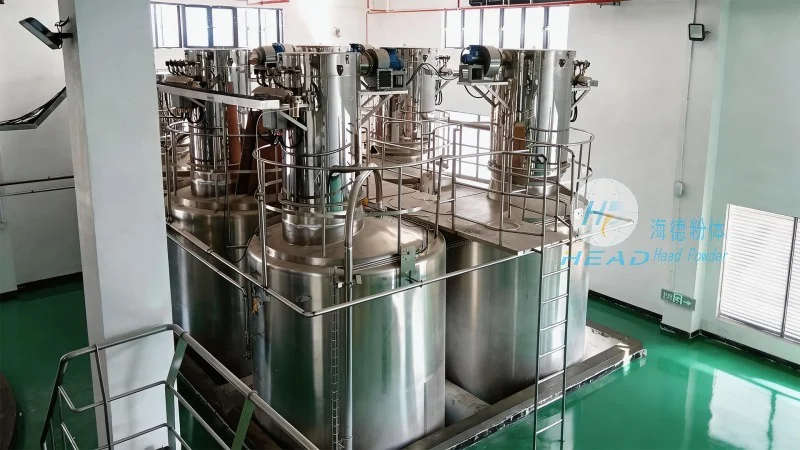
Pneumatic conveying systems utilize air pressure to transport grains and other bulk materials through a pipeline network. These systems can be categorized into pressure or vacuum types, depending on the operational requirements. The process involves blowing air through a pipe, which carries the grain particles along with it. Pneumatic conveyors are ideal for long-distance transport and can handle fine or dusty grains without causing contamination. They are commonly used in applications where dust control and hygiene are critical, such as in food processing facilities. The flexibility of pneumatic systems allows for easy integration with existing infrastructure, making them a versatile option for modern grain handling operations. Additionally, these systems can be designed for both positive and negative pressure, providing flexibility in material movement.
Belt Conveyors: Efficient Horizontal and Inclined Transport
Belt conveyors are another common method for transporting grains over short to medium distances. These systems use a continuous belt that moves material along a fixed path, often supported by rollers or idlers. Belt conveyors are suitable for both horizontal and slight incline transport, and can handle a wide range of grain types, including bulkier or more irregularly shaped grains. The design allows for high throughput and can be customized with different belt materials and widths to suit specific operational needs. Belt conveyors are frequently used in combination with other equipment like hoppers and storage bins, providing an efficient and reliable transport solution for grain handling operations. Their simplicity and low operational costs make them a popular choice for many industrial applications.
Hydraulic Conveyors: Precision Control in Grain Handling
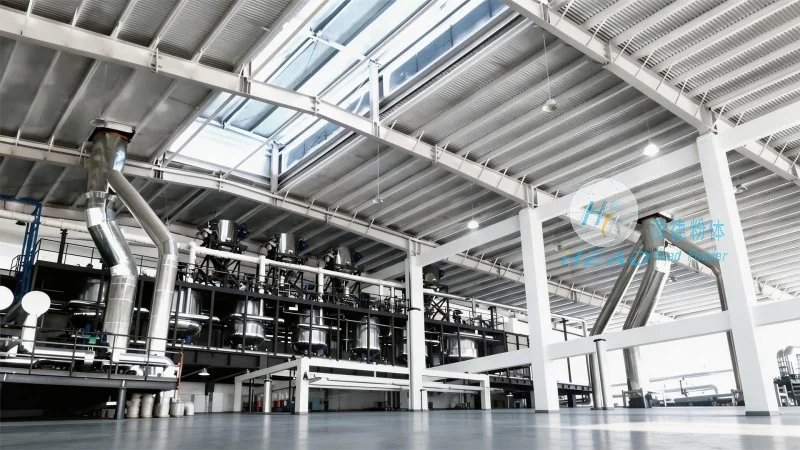
Hydraulic conveyors use fluid power to transport grains through a system of pipes and valves. These systems are less common but are used in specialized applications where other methods may not be suitable. The hydraulic mechanism allows for precise control over the flow rate and direction of the grain, making it ideal for handling sensitive or delicate materials. Hydraulic conveyors are typically used in industrial settings where high pressure and controlled movement are required. While more complex and expensive than other methods, they offer unique advantages in specific grain handling scenarios, such as in processing facilities that require fine-tuned material movement.
HeadPowder Engineering: Providing Specialized Grain Transportation Solutions
Shandong HeadPowder Engineering Co., Ltd., a leading provider of engineering solutions for the grain and food processing industry, specializes in designing and manufacturing equipment for efficient grain transportation. With a focus on innovation and quality, HeadPowder offers a range of products tailored to meet the diverse needs of grain handling operations. The company's expertise in conveyor systems, silo technology, and material handling equipment ensures that clients receive reliable and efficient solutions for their grain transportation requirements. Based in Shandong, China, HeadPowder leverages local manufacturing capabilities and industry knowledge to deliver high-performance equipment that enhances operational efficiency and reduces costs for grain processors. Their commitment to customer satisfaction and technical excellence has established them as a trusted partner in the grain handling sector.

 Công ty TNHH Kỹ thuật Công trình Bột Hải Đức Sơn Đông
 156-6277-7102(Quản lý Trương)
  0531-83386006
  Quận Chương Khâu, Thành phố Tế Nam, Tỉnh Sơn Đông, Trung Quốc
Điện thoại
WeChatTư vấn
Lên đầu