Công ty Hải Đức Bột với hơn 10 năm kinh nghiệm vận chuyển khí, cung cấp hệ thống‑thiết bị‑quạt gió và nhận dự án tổng thầu bột cả nước
When it comes to the efficient and reliable delivery of potassium fertilizer, understanding the various transportation methods is crucial for agricultural operations and supply chain management. Potassium fertilizer, a vital nutrient for crop growth, requires specialized handling and transport solutions to ensure its quality and effectiveness. In this article, we explore the common methods used for potassium fertilizer transportation, highlighting the importance of each approach in meeting the demands of modern agriculture.
1. Pipeline Transportation: A Modern and Efficient Solution
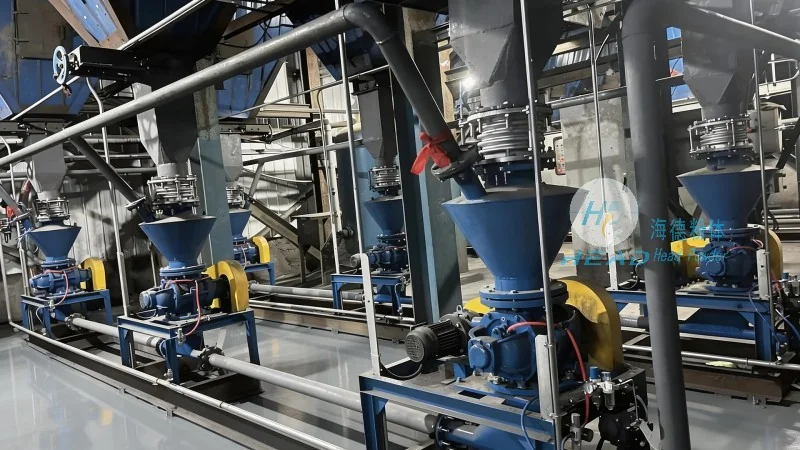
Pipeline transportation has emerged as a leading method for the bulk movement of potassium fertilizer, particularly in regions with extensive agricultural infrastructure. This method involves transporting the fertilizer through a network of pipelines, which can be underground or above ground, depending on the terrain and operational requirements. The use of pipelines offers several advantages, including reduced labor costs, minimized risk of spillage or contamination, and the ability to maintain consistent pressure and flow rates. For companies like Shandong HeadPowder Engineering Co., Ltd., pipeline systems are often designed to handle high volumes of potassium fertilizer, ensuring a steady supply to farms and distribution centers. The technology behind pipeline transportation has advanced significantly, with automated control systems and monitoring tools that enhance safety and operational efficiency. This method is particularly suitable for areas with long distances between production facilities and agricultural fields, as it eliminates the need for frequent loading and unloading of trucks or ships.
2. Truck Transportation: Flexibility and Accessibility
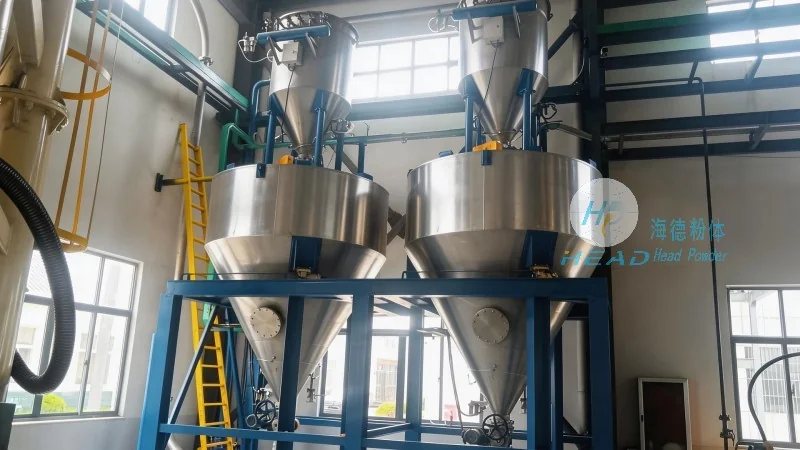
Truck transportation remains a widely used method for potassium fertilizer delivery, especially for smaller quantities or in areas where pipeline infrastructure is not yet established. This approach involves loading the fertilizer into specialized trucks, which are then transported to the intended destinations. Trucks offer flexibility in terms of route planning and can access remote or rural areas that are difficult to reach by other means. For Shandong HeadPowder Engineering Co., Ltd., trucking services are often integrated with logistics networks to ensure timely delivery. The trucks used for this purpose are equipped with secure containers and proper ventilation systems to maintain the quality of the fertilizer during transit. Despite the advantages of flexibility, truck transportation may face challenges such as traffic congestion, fuel costs, and the need for regular maintenance of the vehicles. However, for short-distance or localized delivery, trucks remain a reliable option that complements other transportation methods.
3. Vessel Transportation: Bulk Shipping for Large-Scale Operations
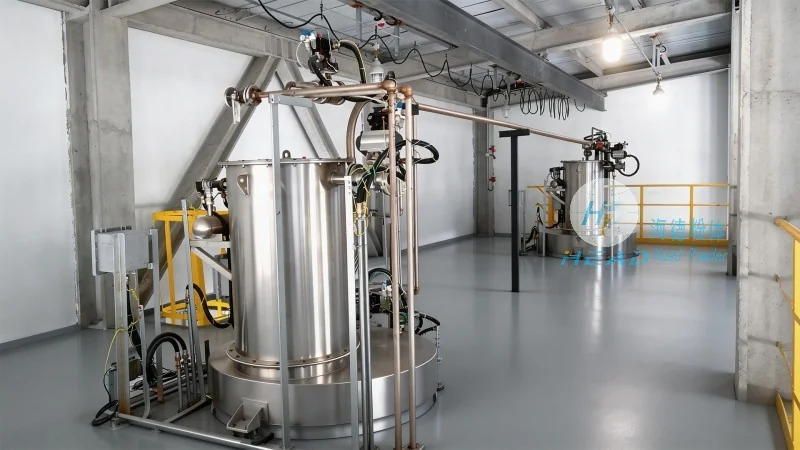
For large-scale potassium fertilizer production and distribution, vessel transportation is a common choice, particularly for moving the fertilizer over long distances, such as from production facilities in China to international markets. This method involves loading the fertilizer into bulk carriers or specialized ships, which are designed to handle heavy and bulk materials. Vessel transportation is highly cost-effective for high-volume shipments, as it reduces the per-unit transportation cost compared to truck or pipeline methods. Companies like Shandong HeadPowder Engineering Co., Ltd. may utilize vessels to export potassium fertilizer to countries with high agricultural demand. The process of vessel transportation includes loading the fertilizer at the port, navigating through waterways, and unloading at the destination port. Advanced cargo handling systems and safety protocols are employed to ensure the integrity of the fertilizer during the entire journey. This method is particularly suitable for regions with extensive maritime infrastructure and well-developed port facilities. However, vessel transportation may involve longer transit times and is subject to weather conditions and maritime regulations.
4. Rail Transportation: Combining Efficiency and Capacity
Rail transportation serves as an intermediate solution between pipeline and truck methods, offering a balance of efficiency and capacity for potassium fertilizer movement. This method involves loading the fertilizer into railcars, which are then transported along railway networks to the destination. Rail transportation is particularly advantageous for moving large quantities of fertilizer over medium distances, as it can handle higher volumes than trucks while being more cost-effective than pipelines. For Shandong HeadPowder Engineering Co., Ltd., rail services are often coordinated with other logistics providers to ensure seamless integration with production and distribution processes. The use of railcars designed specifically for bulk fertilizer transport helps maintain the quality of the product by preventing contamination and ensuring proper ventilation. Rail transportation also reduces the environmental impact compared to trucking, as it emits fewer greenhouse gases per ton of fertilizer transported. This method is particularly suitable for areas with existing railway infrastructure and where the demand for fertilizer is steady and predictable.
5. Specialized Equipment and Handling Techniques
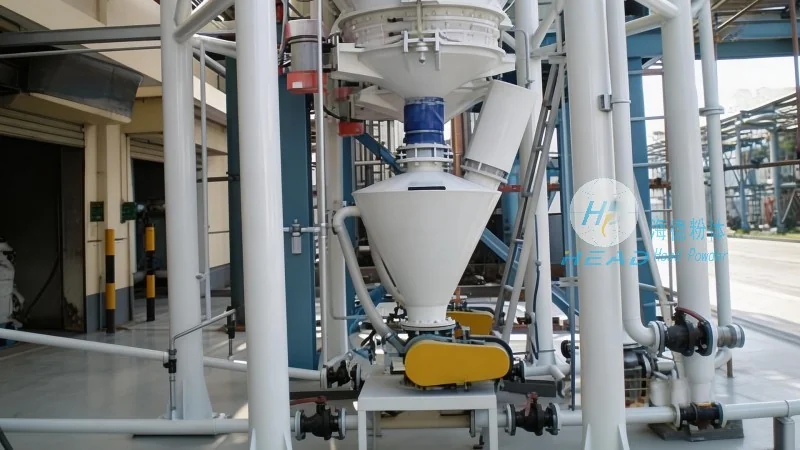
Regardless of the primary transportation method chosen, specialized equipment and handling techniques play a critical role in ensuring the safe and efficient movement of potassium fertilizer. These include bulk loading systems, which allow for the rapid and accurate loading of fertilizer into trucks, ships, or railcars. Proper handling techniques, such as using conveyor belts and avoiding sudden movements, help prevent the degradation of the fertilizer's quality. Companies like Shandong HeadPowder Engineering Co., Ltd. invest in advanced handling equipment to minimize the risk of spills and ensure compliance with environmental regulations. Additionally, the use of temperature-controlled containers may be necessary for certain types of potassium fertilizer, especially those with sensitive chemical properties. These measures not only protect the product but also enhance the overall safety of the transportation process. By integrating specialized equipment and handling techniques with the chosen transportation method, companies can optimize their operations and meet the high standards of modern agriculture.
Conclusion: Choosing the Right Method for Potassium Fertilizer Transportation
Selecting the appropriate method for potassium fertilizer transportation depends on several factors, including the volume of fertilizer to be transported, the distance involved, the availability of infrastructure, and the specific needs of the agricultural operations. Pipeline transportation offers the highest efficiency for large-scale, long-distance movement, while truck and rail methods provide flexibility and accessibility for smaller or medium-sized operations. Vessel transportation is ideal for bulk shipping over long distances, particularly for international trade. Companies like Shandong HeadPowder Engineering Co., Ltd. often adopt a combination of these methods to ensure a reliable and cost-effective supply chain. By understanding the advantages and limitations of each transportation method, agricultural businesses can make informed decisions that enhance productivity, reduce costs, and support sustainable farming practices. The continued development of transportation technologies and infrastructure will further improve the efficiency of potassium fertilizer delivery, contributing to the growth and sustainability of global agriculture.

 Công ty TNHH Kỹ thuật Công trình Bột Hải Đức Sơn Đông
 156-6277-7102(Quản lý Trương)
  0531-83386006
  Quận Chương Khâu, Thành phố Tế Nam, Tỉnh Sơn Đông, Trung Quốc
Điện thoại
WeChatTư vấn
Lên đầu