Công ty Hải Đức Bột với hơn 10 năm kinh nghiệm vận chuyển khí, cung cấp hệ thống‑thiết bị‑quạt gió và nhận dự án tổng thầu bột cả nước
Wheat bran, a byproduct of the milling process, is widely utilized in animal feed, food production, and other industrial applications. Efficient and reliable conveying of wheat bran is essential for maintaining production efficiency and product quality. This article explores the common methods used for wheat bran conveying, highlighting key considerations and applications in various industries.
1. Screw Conveyors for Wheat Bran Transport
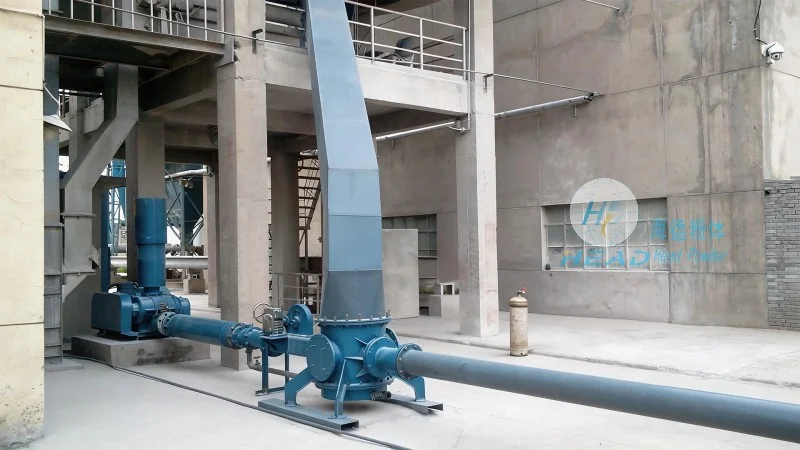
Screw conveyors, also known as augers, are one of the most common and versatile equipment for transporting wheat bran. These systems consist of a rotating helical screw inside a U-shaped or cylindrical tube. The screw's rotation moves the bran along the conveyor, making it suitable for both horizontal and inclined transport. Screw conveyors are particularly effective for handling dry, free-flowing materials like wheat bran, as they provide consistent and controlled movement without the need for additional power sources beyond the motor driving the screw. The design allows for easy integration into existing production lines, and their compact structure makes them ideal for spaces with limited room. In operations involving headpowder, screw conveyors are often used to move bran from storage silos to processing units, ensuring a steady supply for downstream applications.
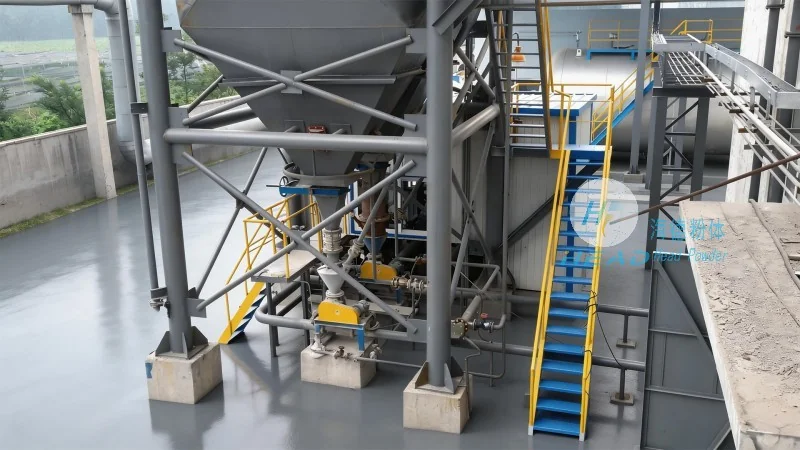
2. Belt Conveyors for Bulk Wheat Bran Handling
Belt conveyors are another widely adopted method for conveying wheat bran, especially in large-scale industrial settings. These systems use a continuous belt looped over rollers to transport the bran horizontally or at a slight incline. The belt can be made from various materials, such as rubber or PVC, to handle different types of bran and prevent sticking. Belt conveyors are capable of handling large volumes of material and are often used in combination with other equipment, like hoppers and feeders, to create a seamless material flow. They are particularly useful in feed mills and food processing plants where high throughput is required. The design allows for easy maintenance and cleaning, which is essential for maintaining hygiene standards in food-related applications. For Shandong HeadPowder Engineering Co., Ltd., belt conveyors are commonly integrated into their systems to transport bran from receiving areas to storage or processing facilities, ensuring efficient material handling and minimal downtime.
3. Pneumatic Conveying Systems for Wheat Bran Transport
Pneumatic conveying systems use air or gas to transport wheat bran through a pipeline network. This method is ideal for applications where dust control and contamination prevention are critical. The system typically consists of a blower, a hopper, and a pipeline with appropriate fittings and valves. The bran is introduced into the hopper and then drawn into the pipeline by the air flow, which propels the material to the destination. Pneumatic conveying is particularly effective for transporting bran over longer distances or through complex layouts, as the pipeline can be routed around obstacles and through different levels. This method is also beneficial for handling bran with a high moisture content or that is prone to clumping, as the air flow helps to break up aggregates and maintain a consistent flow. In the context of headpowder's operations, pneumatic conveying is used to transport bran from storage bins to processing lines, ensuring a clean and efficient transfer process. The system's ability to minimize dust and maintain product integrity makes it a preferred choice for food and animal feed industries.
4. Bucket Elevators for Vertical Wheat Bran Transport
Bucket elevators are specialized equipment designed for vertical transport of wheat bran. These systems consist of a vertical or inclined conveyor with a series of buckets attached to a chain or belt. As the buckets move up the conveyor, they scoop up the bran from a hopper at the bottom and discharge it at the top. Bucket elevators are highly efficient for moving large volumes of material vertically, making them suitable for applications where space is limited and vertical transport is necessary. They are commonly used in feed mills and flour mills to transport bran from the ground floor to upper levels for storage or further processing. The design allows for continuous operation with minimal maintenance, and the enclosed structure helps to contain dust and prevent contamination. For Shandong HeadPowder Engineering Co., Ltd., bucket elevators are integrated into their systems to transport bran from lower storage areas to processing units, ensuring a reliable and efficient vertical material flow. The system's ability to handle high capacities and maintain product quality makes it a critical component in their wheat bran handling operations.
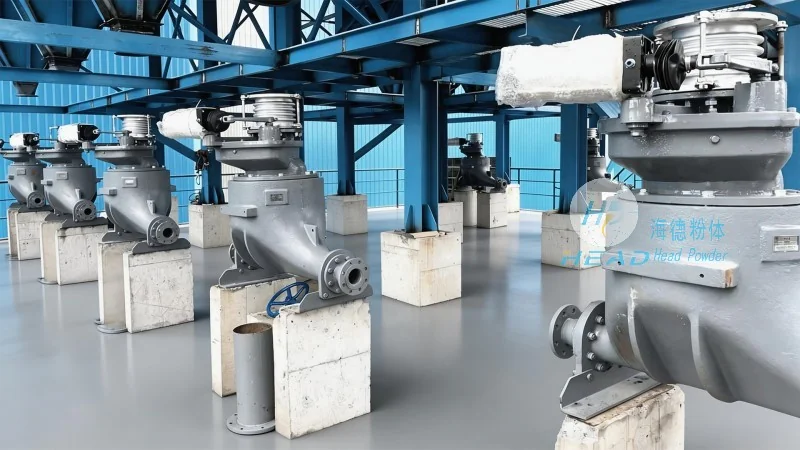
5. Vibrating Conveyors for Gentle Wheat Bran Transport
Vibrating conveyors use vibration to move wheat bran along a trough. These systems consist of a trough with a vibrating mechanism that causes the bran to move forward. The vibration is typically generated by an electric motor with an unbalanced weight, which creates a sinusoidal motion. Vibrating conveyors are ideal for handling delicate or sticky materials like wheat bran, as they provide gentle movement that minimizes product degradation and damage. The design allows for easy cleaning and maintenance, and the trough can be adjusted to accommodate different bran types and flow rates. In applications involving headpowder, vibrating conveyors are used to transport bran from storage bins to processing equipment, ensuring a smooth and consistent flow. The system's ability to handle varying material conditions and maintain product integrity makes it a preferred choice for industries where product quality is paramount. The gentle conveying action also reduces the risk of bran clumping or breakage, which is essential for maintaining the bran's nutritional value and quality.

 Công ty TNHH Kỹ thuật Công trình Bột Hải Đức Sơn Đông
 156-6277-7102(Quản lý Trương)
  0531-83386006
  Quận Chương Khâu, Thành phố Tế Nam, Tỉnh Sơn Đông, Trung Quốc
Điện thoại
WeChatTư vấn
Lên đầu