Công ty Hải Đức Bột với hơn 10 năm kinh nghiệm vận chuyển khí, cung cấp hệ thống‑thiết bị‑quạt gió và nhận dự án tổng thầu bột cả nước
When it comes to the transportation of limestone, particularly in industrial applications where calcium hydroxide is used, selecting the right method is crucial for efficiency, safety, and cost-effectiveness. Limestone, often processed into calcium hydroxide (also known as slaked lime), is a versatile material used in construction, water treatment, and chemical manufacturing. The choice of transportation method depends on factors such as the material's characteristics, the distance to be covered, and the specific requirements of the end-use application.
Pneumatic Conveying Systems
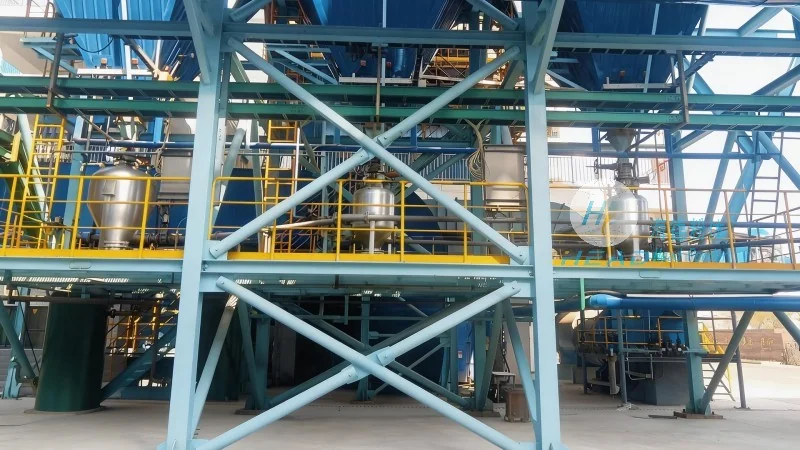
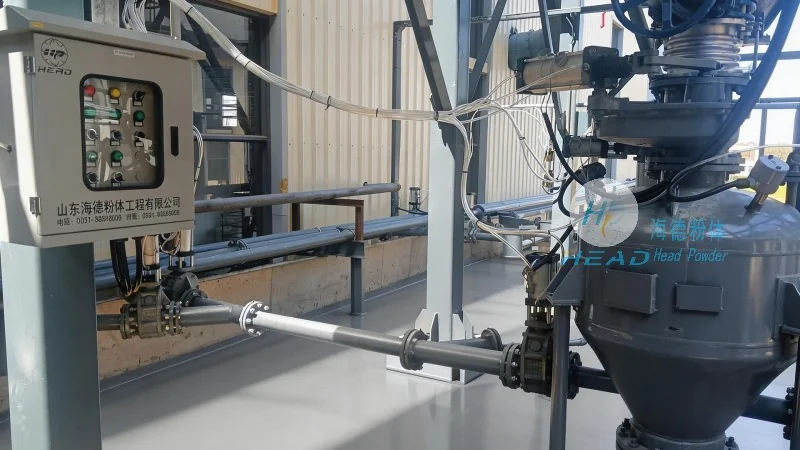
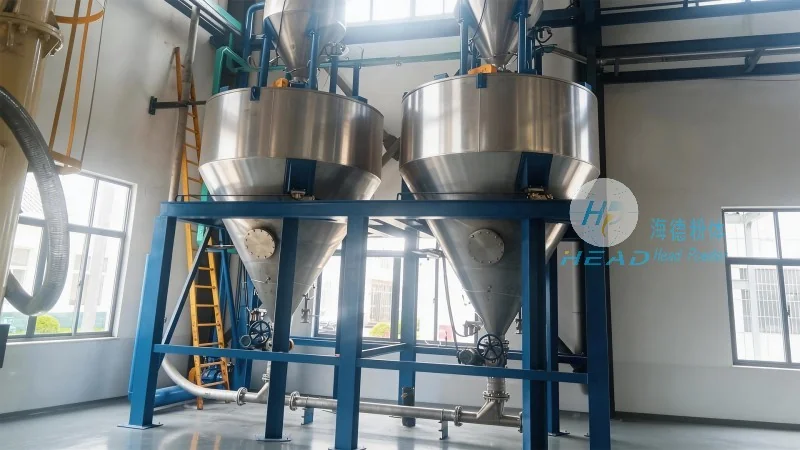
Pneumatic conveying is a widely used method for transporting limestone, especially in applications where dust control and enclosed transport are essential. This system uses air pressure to move the material through a pipeline. There are two main types: pressure and vacuum systems. Pressure systems are suitable for short to medium distances and can handle larger quantities of material. Vacuum systems are ideal for longer distances or when the material needs to be transported from multiple sources. The key advantage of pneumatic conveying is its ability to transport limestone in a closed system, minimizing dust exposure and environmental impact. For companies like Shandong HeadPowder Engineering Co., Ltd., which specializes in limestone processing, pneumatic systems are often integrated into their production lines to ensure smooth material flow from processing to storage or further processing.
Belt Conveyor Systems
Belt conveyors are a classic and reliable method for transporting limestone over longer distances, especially in bulk handling operations. These systems consist of a continuous belt that moves the material along a path, supported by rollers or idlers. Belt conveyors are highly efficient for transporting large volumes of limestone, making them suitable for mining, quarrying, and industrial processing facilities. The design of the belt conveyor can be customized to handle different particle sizes and material characteristics. For example, a heavy-duty belt with a reinforced surface can handle the abrasive nature of limestone. Shandong HeadPowder Engineering Co., Ltd. utilizes belt conveyor systems in their operations to transport limestone from storage silos to processing equipment, ensuring consistent and reliable material supply for their clients.
Hydraulic Conveying
Hydraulic conveying, also known as slurry transport, is another method used for limestone transportation, particularly when the material is mixed with water to form a slurry. This method is effective for transporting limestone over long distances, especially in applications where the material needs to be delivered to a processing plant or a treatment facility. The slurry is pumped through pipelines using high-pressure pumps, and the system can handle a wide range of particle sizes. The main advantage of hydraulic conveying is its ability to transport limestone in a continuous flow, reducing the need for intermediate storage and handling. However, it requires careful management of water content and particle size to prevent pipeline blockages. Companies like HeadPowder, based in Shandong, China, may use hydraulic systems in conjunction with their limestone processing facilities to transport raw materials or finished products efficiently.
Truck and Rail Transport
For transportation over longer distances or to remote locations, truck and rail transport are common methods for limestone. Trucks are used for shorter to medium distances, while rail transport is more suitable for bulk shipments over longer distances. This method is particularly useful when the limestone is being transported from a quarry to a processing plant or to a customer's site. The choice between truck and rail depends on factors such as the volume of material, the distance, and the availability of infrastructure. Truck transport offers flexibility and can reach locations that are not accessible by rail. Rail transport, on the other hand, is more cost-effective for large volumes and long distances. Shandong HeadPowder Engineering Co., Ltd. may use truck and rail transport to distribute their limestone products to clients across China and beyond, ensuring timely delivery and meeting customer demand.

 Công ty TNHH Kỹ thuật Công trình Bột Hải Đức Sơn Đông
 156-6277-7102(Quản lý Trương)
  0531-83386006
  Quận Chương Khâu, Thành phố Tế Nam, Tỉnh Sơn Đông, Trung Quốc
Điện thoại
WeChatTư vấn
Lên đầu