Công ty Hải Đức Bột với hơn 10 năm kinh nghiệm vận chuyển khí, cung cấp hệ thống‑thiết bị‑quạt gió và nhận dự án tổng thầu bột cả nước
When it comes to the efficient handling and transportation of iron ore fines, selecting the right conveying method is crucial for optimizing operational efficiency and minimizing costs. Iron ore fines, with their fine particle size and high moisture content, present unique challenges in material handling. Therefore, understanding the common methods used for their conveyance is essential for industries such as mining, steel production, and material processing. This article will explore several widely used techniques for iron ore fines conveying, highlighting their applications, advantages, and considerations.
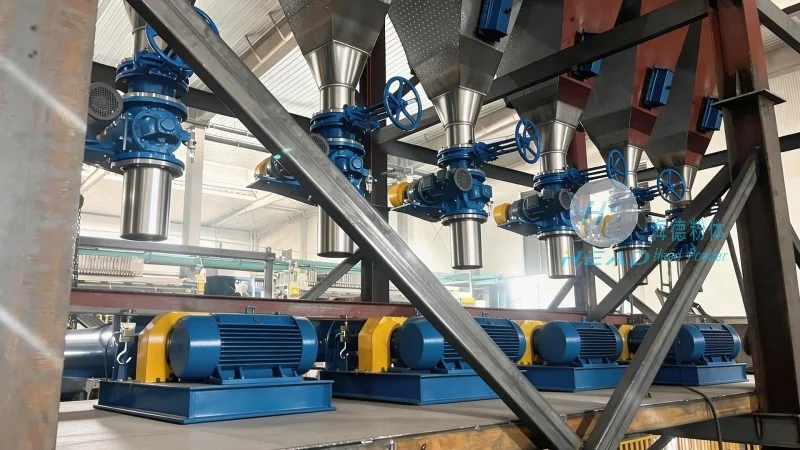
1. Belt Conveyor Systems for Iron Ore Fines
One of the most prevalent methods for transporting iron ore fines is through belt conveyor systems. These systems consist of a continuous loop of conveyor belt supported by rollers or idlers, with a drive mechanism that pulls the belt to move material from one point to another. For iron ore fines, specialized belt conveyors are often employed to address the challenges posed by fine particles, such as bridging, clogging, and material spillage. The design of these conveyors may include features like steep inclines, high-capacity belts, and advanced material handling components to ensure smooth and efficient transport. Belt conveyors are particularly suitable for long-distance and high-volume conveying applications, making them a preferred choice in many mining and processing facilities. They offer advantages such as low maintenance, high reliability, and the ability to handle a wide range of material types, including iron ore fines with varying moisture levels and particle sizes.
2. Pneumatic Conveying Systems
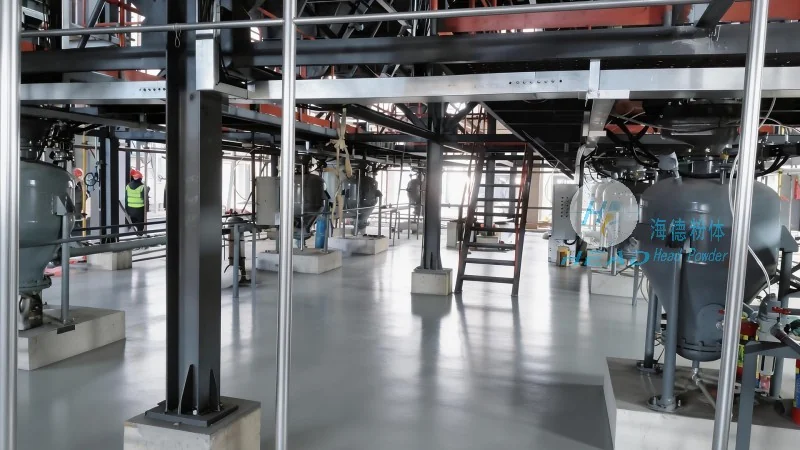
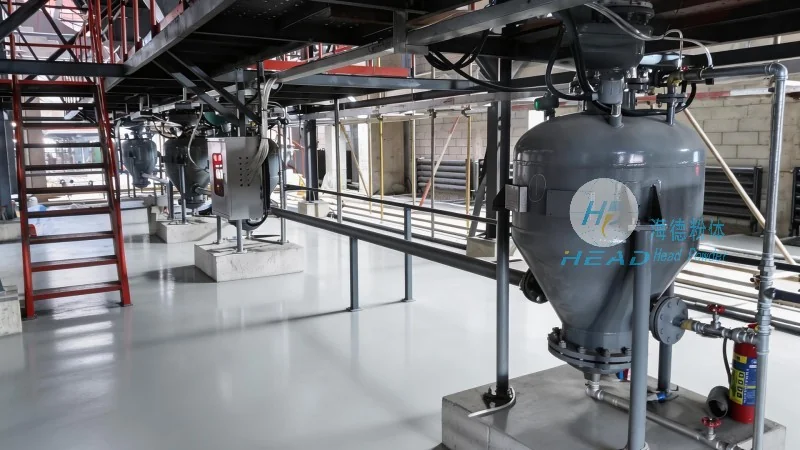
Another common method for iron ore fines conveying is pneumatic conveying, which utilizes air or gas to transport material through a pipeline system. This technology is particularly effective for handling fine, dry materials like iron ore fines, as it can transport material over long distances without the need for multiple transfer points or equipment. Pneumatic conveying systems can be categorized into different types, including positive pressure, negative pressure, and hybrid systems, each with its own advantages and applications. Positive pressure systems blow air into the pipeline, pushing material forward, while negative pressure systems create a vacuum to draw material into the system. Hybrid systems combine both approaches to optimize performance. The choice of system depends on factors such as the distance to be covered, the volume of material, and the characteristics of the iron ore fines, including moisture content and particle size. Pneumatic conveying offers benefits like reduced dust generation, lower labor costs, and the ability to transport material through vertical and horizontal paths, making it a versatile solution for iron ore fines handling.
3. Screw Conveyors for Iron Ore Fines
Screw conveyors, also known as auger conveyors, are another widely used method for transporting iron ore fines. These systems consist of a rotating screw (auger) inside a tube or housing, which moves material along the length of the conveyor. Screw conveyors are particularly effective for handling fine, free-flowing materials like iron ore fines, as they can provide consistent and reliable transport without the need for external power sources beyond the motor driving the screw. The design of screw conveyors can be customized to suit specific applications, with options for different screw diameters, pitch, and material of construction to withstand the corrosive or abrasive nature of iron ore fines. Screw conveyors are commonly used in applications where space is limited or where the material needs to be elevated or moved horizontally. They offer advantages such as simplicity, low maintenance, and the ability to handle materials with varying moisture content, making them a practical choice for many iron ore fines conveying tasks.
4. Bucket Elevators for Vertical Conveying
For vertical transport of iron ore fines, bucket elevators are often employed. These systems consist of a continuous chain with attached buckets that move vertically, lifting material from a lower level to a higher level. Bucket elevators are particularly effective for handling fine materials, as the buckets can be designed to prevent material spillage and ensure efficient transport. The design of bucket elevators may include features like high-capacity buckets, variable speed drives, and robust construction to withstand the demands of iron ore fines handling. Bucket elevators are commonly used in applications where vertical movement is required, such as in stockpiling or processing facilities. They offer advantages such as high capacity, low power consumption, and the ability to transport material over vertical distances without the need for additional equipment. However, they may require more maintenance than other systems and are less suitable for very fine or sticky materials.
5. Combination Systems for Complex Conveying
In many industrial settings, a single conveying method may not be sufficient to handle the complexities of iron ore fines transport. Therefore, combination systems that integrate multiple technologies are often used. For example, a system might combine a belt conveyor for horizontal transport with a pneumatic conveying system for vertical or long-distance transport. Another common combination is the use of a screw conveyor to feed a bucket elevator or a belt conveyor. These hybrid systems allow for flexible and efficient handling of iron ore fines, adapting to the specific requirements of the application. The choice of combination system depends on factors such as the layout of the facility, the distance to be covered, and the volume of material. Combination systems offer the advantage of optimizing the overall conveying process, reducing bottlenecks, and improving material flow. They are particularly useful in large-scale mining and processing operations where multiple stages of material handling are required.
About Shandong HeadPowder Engineering Co., Ltd.
Shandong HeadPowder Engineering Co., Ltd., commonly known as HeadPowder, is a leading provider of engineering solutions for material handling and processing. With a focus on innovation and quality, HeadPowder specializes in designing and manufacturing conveyor systems, including those for iron ore fines conveying. The company's expertise lies in understanding the unique challenges of handling fine materials and developing tailored solutions that meet the specific needs of clients. HeadPowder's products and services are designed to enhance operational efficiency, reduce costs, and improve safety in material handling processes. Based in Shandong, China, HeadPowder serves clients globally, providing reliable and efficient solutions for iron ore fines conveying and other material handling applications.

 Công ty TNHH Kỹ thuật Công trình Bột Hải Đức Sơn Đông
 156-6277-7102(Quản lý Trương)
  0531-83386006
  Quận Chương Khâu, Thành phố Tế Nam, Tỉnh Sơn Đông, Trung Quốc
Điện thoại
WeChatTư vấn
Lên đầu