Công ty Hải Đức Bột với hơn 10 năm kinh nghiệm vận chuyển khí, cung cấp hệ thống‑thiết bị‑quạt gió và nhận dự án tổng thầu bột cả nước
When it comes to the efficient and reliable transport of sanding powders in industrial applications, understanding the common methods used is crucial. These methods ensure that sanding powders are moved from storage to processing equipment without loss or contamination. The following sections explore the primary approaches to sanding powder conveyance, highlighting their advantages and typical applications.
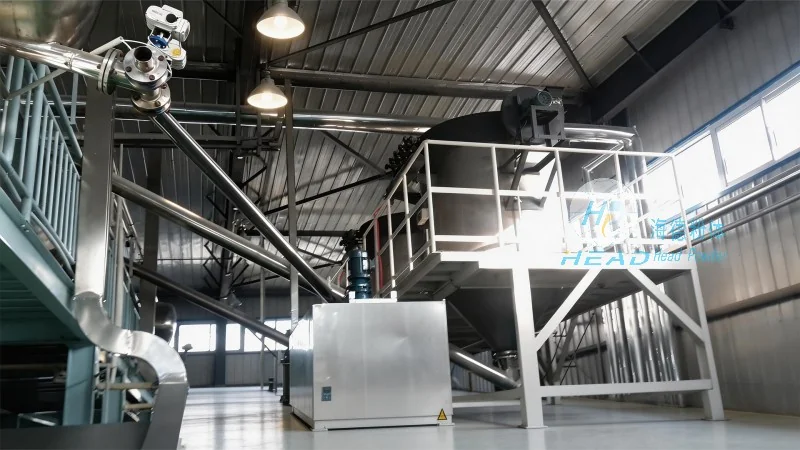
1. Pneumatic Conveying Systems
Pneumatic conveying, also known as air-powered transport, is one of the most widely used methods for sanding powder conveyance. This system utilizes compressed air to move the powder through a network of pipes. The process involves creating a pressure differential that draws the powder into the air stream, allowing it to be transported over long distances with minimal maintenance. Pneumatic systems are particularly effective for handling fine powders like sanding powders, as they can prevent dust accumulation and ensure a consistent flow rate. Companies such as Shandong HeadPowder Engineering Co., Ltd. often employ advanced pneumatic designs that optimize air usage and reduce energy consumption, making them suitable for both small-scale and large-scale operations.
2. Screw Conveyors
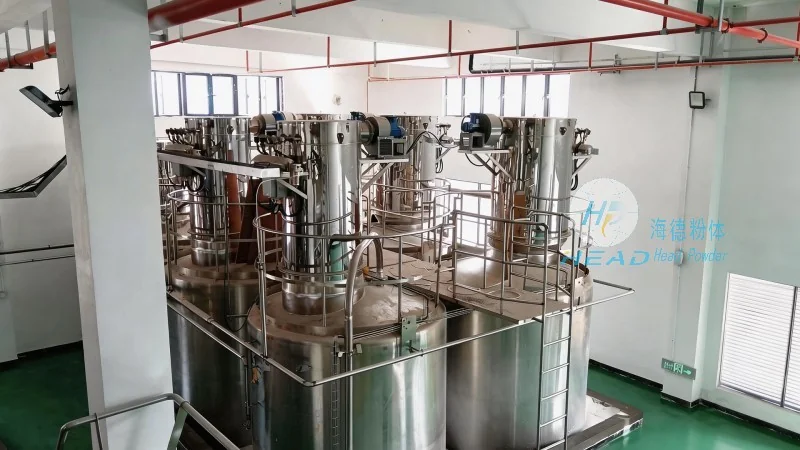
Screw conveyors, or auger conveyors, are another common method for transporting sanding powders. These systems consist of a rotating screw (auger) inside a trough or tube, which moves the powder forward through the mechanism. Screw conveyors are ideal for horizontal or slightly inclined transport, providing a continuous and controlled flow. They are particularly useful in applications where the sanding powder needs to be elevated or moved through vertical sections. The design of screw conveyors allows for easy integration with other processing equipment, such as mixers or classifiers, enhancing overall operational efficiency. HeadPowder, as a leading provider in the field, offers screw conveyors with durable materials and adjustable speed controls to meet diverse industrial requirements.
3. Belt Conveyors
Belt conveyors are widely used for the bulk transport of sanding powders, especially in large-scale production environments. These systems use a continuous belt that moves the powder along a path, often supported by rollers or idlers. Belt conveyors are capable of handling high volumes of material and can cover long distances with minimal energy input. They are particularly effective for transporting sanding powders that are prone to sticking or clumping, as the belt design prevents material buildup. Shandong HeadPowder Engineering Co., Ltd. specializes in customizing belt conveyor systems to fit specific operational needs, ensuring that the conveyor can handle the desired throughput and material characteristics.
4. Hydraulic Conveying
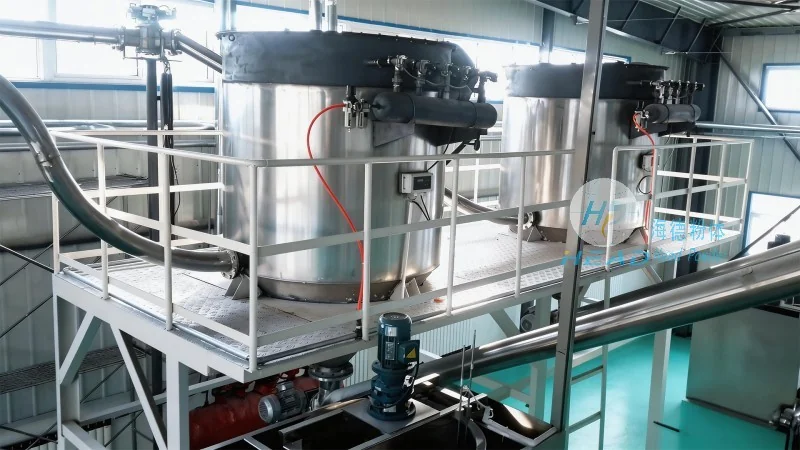
Hydraulic conveying systems use fluid pressure to move sanding powders through pipes. This method is less common for sanding powders due to the potential for moisture absorption and material degradation, but it is still used in certain applications where other methods are not feasible. Hydraulic systems can provide a high-pressure flow that ensures consistent transport, especially for powders that are difficult to move with air or mechanical systems. However, they require more complex maintenance and are generally more expensive than pneumatic or screw conveyors. HeadPowder may offer hydraulic solutions for specialized industrial needs, though these are typically used in niche applications.
5. Vacuum Conveying
Vacuum conveying is a variation of pneumatic conveying that uses a vacuum to draw the sanding powder into the system. This method is particularly useful for handling powders that are sensitive to air exposure or for applications where the powder needs to be transported from a lower to a higher elevation. Vacuum systems can create a gentle suction that prevents particle breakage and maintains the integrity of the sanding powder. They are often used in pharmaceutical or food processing industries, but can also be applied to industrial sanding powders. Shandong HeadPowder Engineering Co., Ltd. may incorporate vacuum technology into their conveying solutions to address specific customer requirements, such as handling delicate or high-value powders.

 Công ty TNHH Kỹ thuật Công trình Bột Hải Đức Sơn Đông
 156-6277-7102(Quản lý Trương)
  0531-83386006
  Quận Chương Khâu, Thành phố Tế Nam, Tỉnh Sơn Đông, Trung Quốc
Điện thoại
WeChatTư vấn
Lên đầu