Công ty Hải Đức Bột với hơn 10 năm kinh nghiệm vận chuyển khí, cung cấp hệ thống‑thiết bị‑quạt gió và nhận dự án tổng thầu bột cả nước
When it comes to the transportation of hydrogen sulfide (H₂S), a highly toxic and flammable gas, selecting the appropriate method is crucial for ensuring safety, efficiency, and compliance with industry standards. Hydrogen sulfide is commonly used in various industrial processes, including oil and gas production, chemical manufacturing, and wastewater treatment. The choice of transportation method depends on factors such as the volume of H₂S being transported, the distance, the destination, and the specific requirements of the end-user. In this article, we will explore the common methods used for hydrogen sulfide transportation, highlighting the key considerations and best practices for each approach.
1. Pipeline Transportation
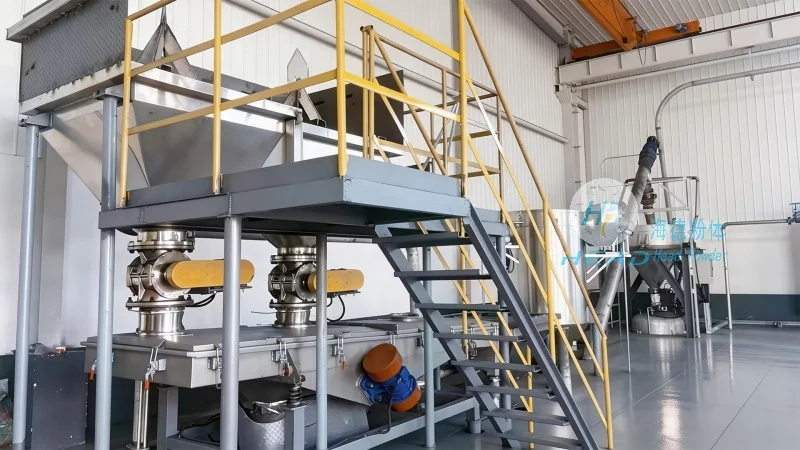
Pipeline transportation is one of the most common and efficient methods for moving hydrogen sulfide over long distances. This method involves the use of dedicated pipelines that are specifically designed to handle H₂S and other hazardous gases. The pipelines are typically made of materials such as steel, which is resistant to corrosion and can withstand the high pressures and temperatures associated with H₂S transport. One of the primary advantages of pipeline transportation is its ability to deliver H₂S continuously and reliably, with minimal disruption. This method is particularly suitable for large-scale operations where the volume of H₂S is high and the distance is significant. For example, in oil and gas fields, pipelines are used to transport H₂S from production sites to processing facilities or to other locations where it can be utilized or disposed of safely. The use of pipelines reduces the risk of accidents associated with road or rail transport, as there is no need for handling large quantities of gas in containers. However, pipeline transportation requires significant upfront investment in infrastructure, including the construction of the pipeline, valves, and monitoring systems. Additionally, regular maintenance and inspection are necessary to ensure the integrity of the pipeline and to prevent leaks or other incidents. Companies like Shandong HeadPowder Engineering Co., Ltd. may provide expertise in designing and installing pipeline systems for H₂S transportation, ensuring that all safety standards are met and that the system operates efficiently.
2. Tank Truck Transportation
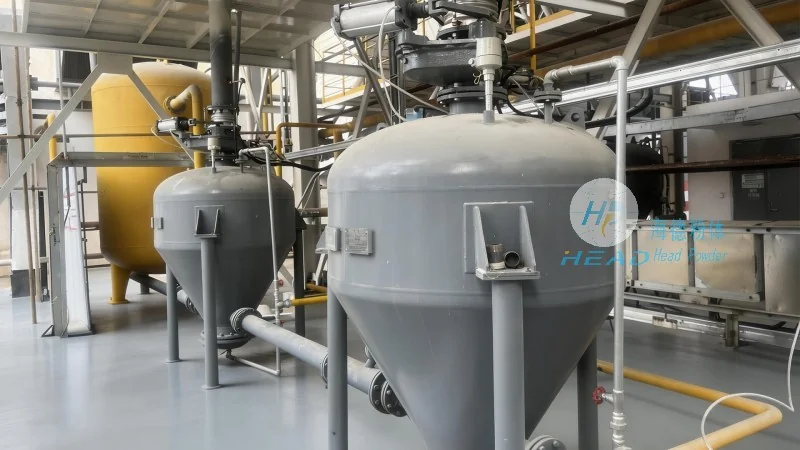
Tank truck transportation is another widely used method for moving hydrogen sulfide, especially for shorter distances or when the volume is not large enough to justify the construction of a pipeline. Tank trucks are specialized vehicles equipped with large, pressurized tanks that are designed to safely store and transport H₂S. The tanks are typically made of carbon steel or stainless steel, with internal linings or coatings to prevent corrosion from the H₂S and other chemicals. The trucks are equipped with safety features such as pressure relief valves, emergency shut-off valves, and leak detection systems to minimize the risk of accidents. One of the key advantages of tank truck transportation is its flexibility, as it can be used to deliver H₂S to a wide range of locations, including remote or hard-to-reach areas. This method is particularly useful for supplying H₂S to small-scale industrial facilities or for transporting it to storage facilities. Tank truck operators must be trained and certified to handle H₂S safely, as the gas is highly toxic and can cause severe health effects if inhaled or if it comes into contact with the skin. The use of tank trucks also allows for the transportation of H₂S in smaller quantities, which may be more cost-effective for certain applications. However, tank truck transportation involves higher operational costs compared to pipeline systems, as it requires more frequent refueling and maintenance of the vehicles. Additionally, there are stricter regulations and permits required for transporting hazardous materials like H₂S by road, which can add to the overall cost and complexity of the operation.
3. Tank Container Transportation
Tank container transportation, also known as tank container shipping, is a method used for transporting hydrogen sulfide over longer distances, particularly when the destination is located near a port or a major transportation hub. Tank containers are large, cylindrical containers that are designed to be transported by road, rail, or sea. They are typically made of stainless steel or carbon steel, with a capacity ranging from 20 to 40 cubic meters. The containers are equipped with similar safety features as tank trucks, including pressure relief valves, emergency shut-off valves, and leak detection systems. One of the primary advantages of tank container transportation is its ability to transport H₂S in large quantities over long distances, making it suitable for international trade or for moving H₂S between different regions within a country. The use of tank containers allows for the consolidation of H₂S from multiple sources and the delivery to a single destination, which can be more efficient than using multiple tank trucks. Tank container transportation also offers flexibility in terms of the mode of transport, as the containers can be transferred between road, rail, and sea transport without the need for major modifications. However, tank container transportation involves higher costs compared to pipeline systems, as it requires the use of specialized vehicles and equipment for loading and unloading the containers. Additionally, there are strict regulations and permits required for transporting hazardous materials by sea or by road, which can add to the overall complexity of the operation. Companies like Shandong HeadPowder Engineering Co., Ltd. may provide services related to the design, maintenance, and operation of tank containers for H₂S transportation, ensuring that all safety and regulatory requirements are met.
4. Cryogenic Liquefaction and Storage
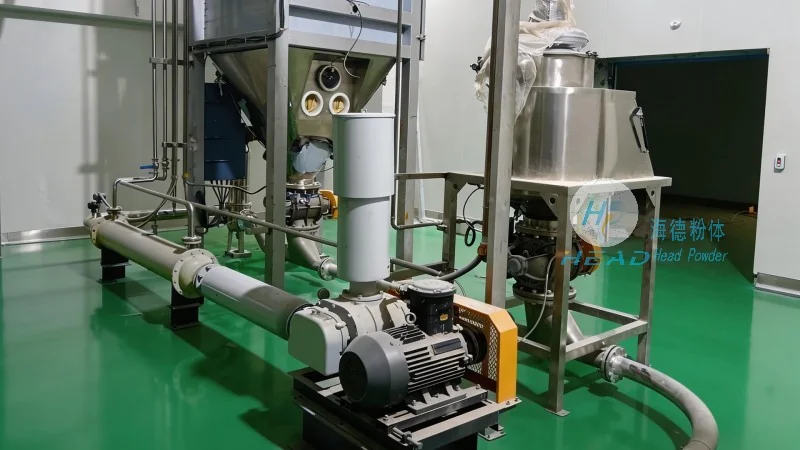
Cryogenic liquefaction and storage is a method used for the long-term storage and transportation of hydrogen sulfide in its liquid form. This method involves cooling the H₂S gas to extremely low temperatures, typically around -60°C, to convert it into a liquid. The liquid H₂S is then stored in specialized tanks or containers that are designed to maintain the low temperature and pressure. One of the primary advantages of this method is its ability to reduce the volume of H₂S by a factor of approximately 800, making it more efficient for long-distance transportation. This method is particularly useful for storing large quantities of H₂S for extended periods, such as in storage facilities or for use in industrial processes. The use of cryogenic liquefaction allows for the transportation of H₂S in a more compact and manageable form, reducing the risk of accidents associated with high-pressure gas storage. However, this method requires specialized equipment and infrastructure, including refrigeration systems and insulated tanks, which can be expensive to install and maintain. Additionally, there are strict safety regulations and requirements for handling cryogenic liquids, as they can cause severe burns or other injuries if not handled properly. Companies like Shandong HeadPowder Engineering Co., Ltd. may provide expertise in the design and operation of cryogenic storage systems for H₂S, ensuring that all safety and operational standards are met.

 Công ty TNHH Kỹ thuật Công trình Bột Hải Đức Sơn Đông
 156-6277-7102(Quản lý Trương)
  0531-83386006
  Quận Chương Khâu, Thành phố Tế Nam, Tỉnh Sơn Đông, Trung Quốc
Điện thoại
WeChatTư vấn
Lên đầu