Công ty Hải Đức Bột với hơn 10 năm kinh nghiệm vận chuyển khí, cung cấp hệ thống‑thiết bị‑quạt gió và nhận dự án tổng thầu bột cả nước
HeadPowder, a leading provider in the field, specializes in the safe and efficient transportation of chromium oxide. Based in Shandong, China, the company offers comprehensive solutions tailored to meet the diverse needs of clients across various industries. This article explores the common methods used for chromium oxide transportation, highlighting the key considerations and advantages of each approach.
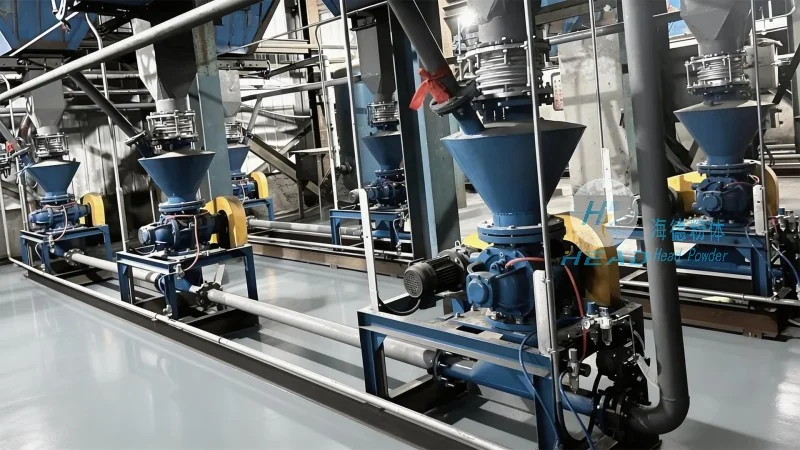
1. Pipeline Transportation
Pipeline transportation is a widely adopted method for moving chromium oxide, especially for large-scale industrial applications. This method involves the use of sealed pipelines to transport the material from the production site to the end-user. The system typically includes a series of pumps, valves, and monitoring equipment to ensure consistent flow and pressure. One of the primary advantages of pipeline transportation is its ability to maintain a continuous supply, minimizing downtime and ensuring a steady stream of chromium oxide to production lines. Additionally, this method reduces the risk of contamination and exposure to external elements, as the material remains enclosed within the pipeline. However, it requires significant infrastructure investment, including the construction and maintenance of pipelines, which may not be feasible for smaller operations or in areas with limited existing infrastructure.
2. Tank Truck Transportation
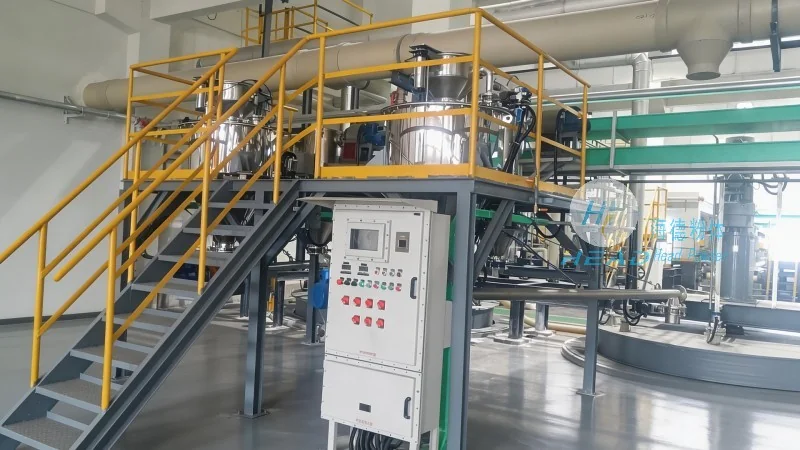
Tank truck transportation is another common method for chromium oxide delivery, particularly for medium to large quantities. Tank trucks are specialized vehicles equipped with insulated and sealed tanks designed to handle the material safely. The trucks are often equipped with loading and unloading systems, such as hoses and pumps, to facilitate the transfer of chromium oxide from the truck to the receiving facility. This method offers flexibility in terms of delivery routes and can reach locations that are not easily accessible by pipelines. It is particularly useful for clients who require regular, scheduled deliveries or for transporting chromium oxide to remote sites. The primary benefits include cost-effectiveness for moderate volumes and the ability to adapt to varying demand. However, tank truck transportation may involve higher fuel costs and potential delays due to traffic or weather conditions. Furthermore, proper handling and safety protocols are essential to prevent spills or leaks, as chromium oxide can be hazardous if not managed correctly.
3. Packaging and Containerized Transportation
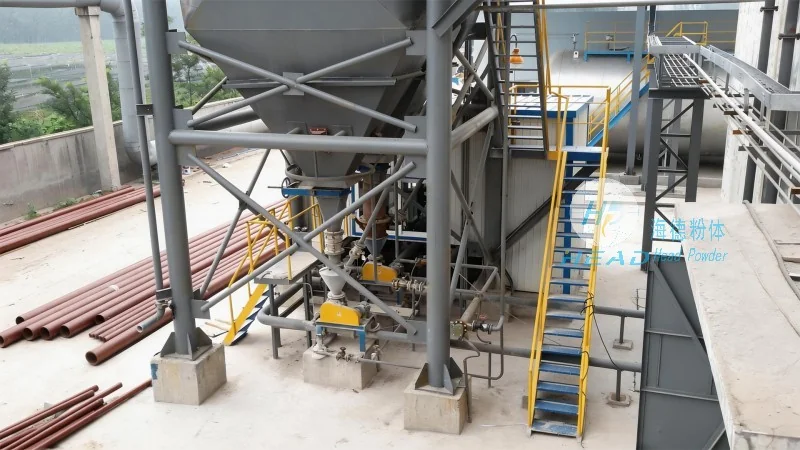
For smaller quantities or when direct delivery to a specific location is needed, packaging and containerized transportation is often the preferred method. Chromium oxide is commonly packaged in sealed containers, such as drums, bags, or containers, which are then transported via trucks, ships, or other freight carriers. This approach allows for more precise control over the quantity and destination of the material, making it suitable for research, laboratory, or small-scale production needs. The packaging materials are selected to be chemically resistant and leak-proof, ensuring the integrity of the chromium oxide during transit. One of the key advantages is the ease of handling and storage at the receiving end, as the containers can be directly integrated into existing inventory systems. However, this method may result in higher costs per unit due to the additional packaging and transportation logistics. It also requires careful planning to ensure that the containers are handled properly to avoid damage or contamination.
4. Specialized Handling and Logistics
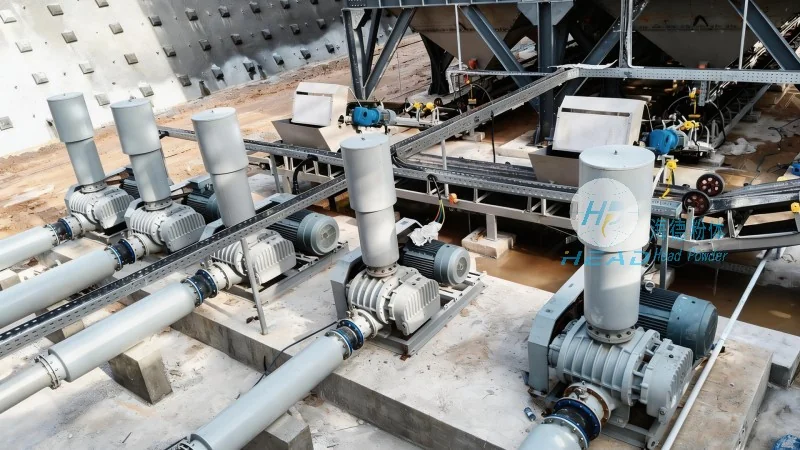
Regardless of the primary transportation method, specialized handling and logistics play a crucial role in ensuring the safe and efficient delivery of chromium oxide. This includes the use of specialized equipment, such as loading cranes, conveyor systems, and storage tanks, to manage the material from the point of origin to the final destination. Proper safety measures, such as personal protective equipment (PPE) for handlers and regular equipment maintenance, are also essential to mitigate risks associated with chromium oxide, which can be toxic and cause skin or respiratory irritation. Additionally, compliance with regulatory standards, including those related to hazardous materials, is mandatory to ensure legal and safe transportation. HeadPowder, with its expertise in handling such materials, provides comprehensive logistics support, including coordination with transportation partners and adherence to all relevant regulations.
5. Factors Influencing Transportation Method Selection
The choice of transportation method for chromium oxide depends on several factors, including the volume of material, the distance to be transported, the destination's accessibility, and the client's specific requirements. For large-scale industrial operations, pipeline transportation may be the most efficient option due to its continuous flow and low operational costs. For medium volumes or when flexibility is needed, tank truck transportation offers a balanced approach between cost and adaptability. Smaller quantities or specialized applications may benefit from packaging and containerized transportation, which provides greater control over the material's handling and delivery. Ultimately, the goal is to select a method that minimizes costs, ensures safety, and maintains the quality of the chromium oxide throughout the transportation process. HeadPowder's team of experts works closely with clients to assess these factors and recommend the most suitable transportation solution.

 Công ty TNHH Kỹ thuật Công trình Bột Hải Đức Sơn Đông
 156-6277-7102(Quản lý Trương)
  0531-83386006
  Quận Chương Khâu, Thành phố Tế Nam, Tỉnh Sơn Đông, Trung Quốc
Điện thoại
WeChatTư vấn
Lên đầu