Công ty Hải Đức Bột với hơn 10 năm kinh nghiệm vận chuyển khí, cung cấp hệ thống‑thiết bị‑quạt gió và nhận dự án tổng thầu bột cả nước
When it comes to the efficient and reliable transportation of wood powder, selecting the right method is crucial for maintaining product quality and operational efficiency. Various techniques are available, each with its own advantages and applications, tailored to different production environments and material characteristics. Understanding these options helps businesses choose the most suitable solution for their specific needs.
Common Methods for Wood Powder Conveying
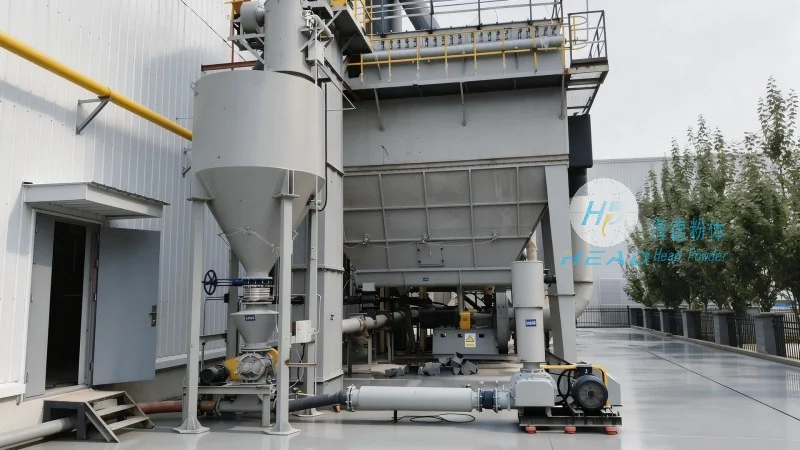
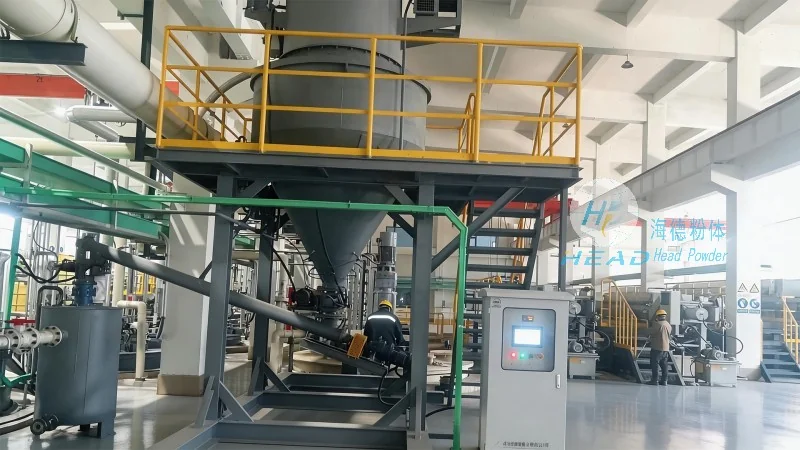
One of the most widely used methods for wood powder conveying is the screw conveyor, also known as an auger conveyor. This equipment consists of a rotating helical screw inside a tube or trough, which moves the material forward through the system. Screw conveyors are particularly effective for handling dry, free-flowing wood powders and can operate in both horizontal and inclined configurations. They are often preferred for their simplicity, low maintenance requirements, and ability to handle a wide range of particle sizes. The smooth operation of screw conveyors ensures minimal product degradation, making them ideal for applications where product integrity is paramount.
Another popular method is pneumatic conveying, which uses air pressure to transport wood powder through a pipeline. This technique is highly effective for long-distance or high-volume conveying tasks. Pneumatic systems can be categorized into pressure and vacuum types, with pressure systems typically used for short to medium distances and vacuum systems for longer runs. The choice between pressure and vacuum depends on factors such as the distance to be covered, the volume of material, and the need for gentle handling. Pneumatic conveying offers advantages like reduced labor costs, as it eliminates the need for manual handling, and the ability to integrate with other processing equipment seamlessly. However, it may require more energy compared to mechanical methods and can be sensitive to changes in material moisture content.
Advantages and Considerations of Different Conveying Systems
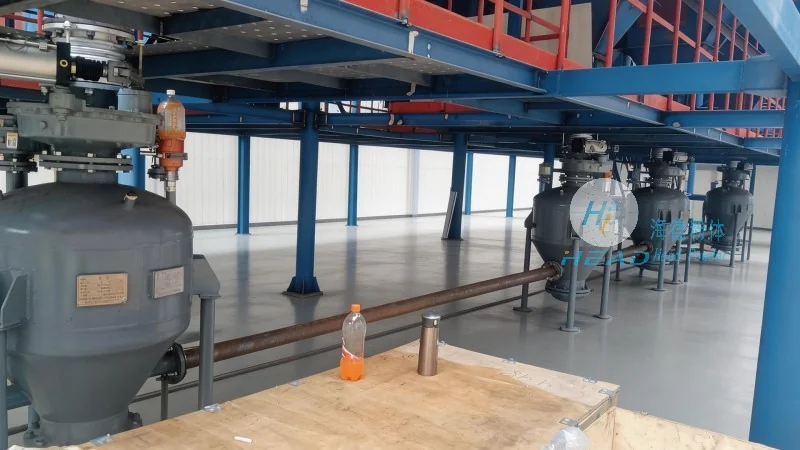
Each wood powder conveying method has distinct advantages and considerations that influence its suitability for a given application. Screw conveyors excel in their simplicity and reliability, making them a cost-effective choice for many industrial settings. They are particularly well-suited for materials that are free-flowing and do not contain excessive moisture, as overly wet or sticky powders can cause blockages and reduce efficiency. In contrast, pneumatic conveying offers greater flexibility in terms of layout and can handle more complex material handling requirements, such as vertical or horizontal transport combinations. However, the initial investment for pneumatic systems is generally higher due to the need for air compressors and pipeline infrastructure. Additionally, the energy consumption of pneumatic systems can be significant, especially for high-volume operations, which may impact long-term operational costs.
HeadPowder Engineering: Providing Customized Conveying Solutions
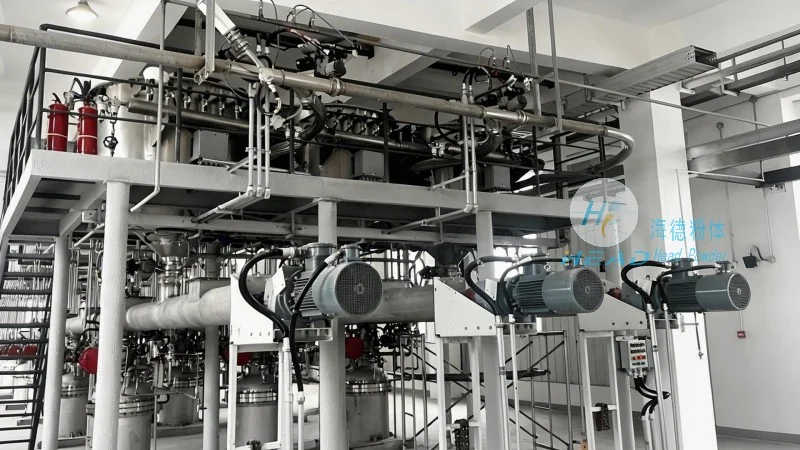
Shandong HeadPowder Engineering Co., Ltd., a leading provider of wood powder processing equipment, specializes in designing and manufacturing tailored conveying systems to meet the unique demands of their clients. With a focus on innovation and quality, HeadPowder Engineering offers a range of solutions that integrate seamlessly with existing production lines. The company’s expertise lies in understanding the specific challenges associated with wood powder handling, such as dust control, material flow optimization, and equipment durability. By leveraging advanced engineering principles and customer feedback, HeadPowder Engineering develops systems that enhance operational efficiency while maintaining product quality. The company’s headquarters is located in Shandong, China, where they have established a strong presence in the wood processing industry, serving clients both domestically and internationally.

 Công ty TNHH Kỹ thuật Công trình Bột Hải Đức Sơn Đông
 156-6277-7102(Quản lý Trương)
  0531-83386006
  Quận Chương Khâu, Thành phố Tế Nam, Tỉnh Sơn Đông, Trung Quốc
Điện thoại
WeChatTư vấn
Lên đầu