Công ty Hải Đức Bột với hơn 10 năm kinh nghiệm vận chuyển khí, cung cấp hệ thống‑thiết bị‑quạt gió và nhận dự án tổng thầu bột cả nước
Gravity dust removal and subsequent material handling are critical components in industrial processes, particularly in sectors such as power generation, cement production, and chemical manufacturing. The efficiency of dust conveying systems directly impacts operational costs, environmental compliance, and overall plant productivity. This article provides a detailed comparative analysis of common gravity dust conveying methods, examining their advantages, disadvantages, and practical applications. The information is presented by Shandong HeadPowder Engineering Co., Ltd., a leading provider of dust handling solutions based in China.
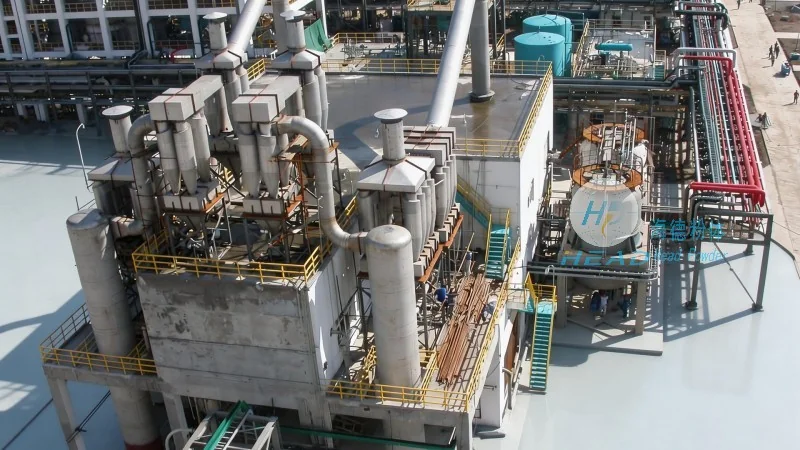
Overview of Gravity Dust Conveying Technologies
Gravity dust conveying relies on the natural force of gravity to move collected dust from the dust removal equipment to storage or processing areas. Unlike high-pressure or vacuum-driven systems, gravity conveyors utilize the material's own weight to facilitate transport. This approach is often favored for its simplicity, lower energy consumption, and reduced maintenance requirements. However, the effectiveness of gravity conveying is highly dependent on the material's properties, such as particle size, density, and moisture content. Shandong HeadPowder Engineering Co., Ltd. specializes in designing and implementing customized gravity dust conveying solutions tailored to specific industrial needs.
1. Air-Lift Gravity Conveying Systems
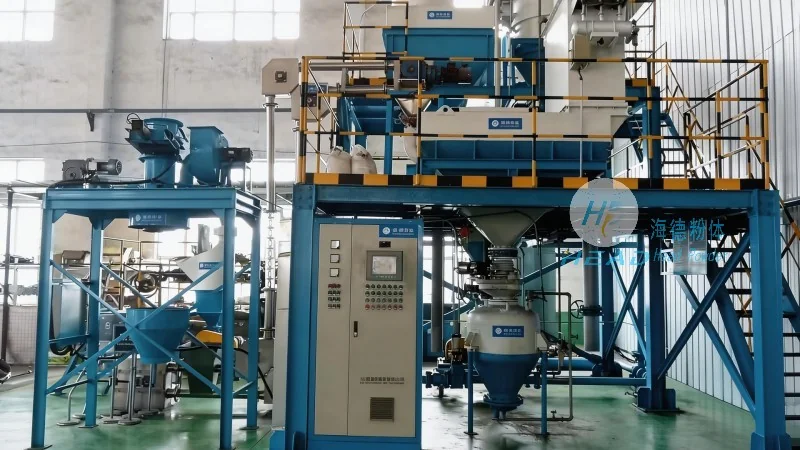
Air-lift gravity conveyors are a popular choice for transporting fine dust and powders over moderate distances. These systems operate by introducing a low-pressure air stream into a vertical or inclined pipe, creating a negative pressure that draws the material upward. The primary advantage of air-lift conveyors is their ability to handle fine, abrasive materials without the need for mechanical components that could wear out quickly. They are also relatively compact and can be installed in tight spaces, making them suitable for retrofitting existing dust collection systems. However, air-lift systems have limitations in terms of conveying distance and material capacity. The efficiency drops significantly for larger particles or high bulk densities, as the air flow may not be sufficient to maintain material movement. Additionally, the energy consumption is higher compared to purely gravity-based systems due to the continuous operation of the air blower. Shandong HeadPowder Engineering Co., Ltd. has extensive experience in designing air-lift gravity conveyors that optimize air flow and material handling for various industrial applications.
2. Screw Conveyor Systems for Dust Handling
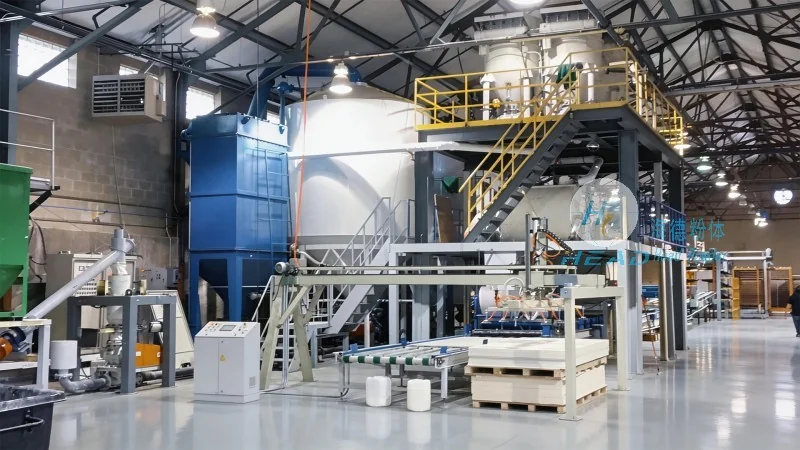
Screw conveyors, also known as auger conveyors, are widely used for transporting bulk materials, including dust and fine powders. These systems consist of a rotating helical screw inside a trough or tube, which moves material forward through the system. Screw conveyors are particularly effective for handling dry, free-flowing materials with moderate to high bulk densities. One of the key advantages is their ability to handle a wide range of materials without the need for additional components like buckets or belts. They are also relatively simple in design, making them easy to install and maintain. However, screw conveyors have limitations when dealing with abrasive or sticky materials, as the screw and trough can experience significant wear over time. The system's efficiency is also affected by the material's moisture content, as high moisture levels can cause clogging or reduced conveying capacity. Furthermore, screw conveyors are not suitable for long-distance transport, as the friction and material resistance increase with distance, leading to higher energy consumption and potential breakdowns. Shandong HeadPowder Engineering Co., Ltd. offers customized screw conveyor solutions that address these challenges through material-specific screw designs and protective coatings.
3. Belt Conveyor Solutions for Bulk Dust Transport
Belt conveyors are a robust and reliable method for transporting bulk materials, including large volumes of dust and granular products. These systems use a continuous belt that moves over rollers or pulleys, carrying the material from the dust collection point to the storage or processing area. Belt conveyors are particularly effective for handling high-capacity loads and long-distance transport, making them suitable for large-scale industrial applications. The primary advantage is their ability to handle a wide range of material sizes and shapes, from fine powders to large chunks. They are also highly efficient in terms of energy consumption per tonne of material transported, as the belt system minimizes friction and material resistance. However, belt conveyors require more space and infrastructure compared to other gravity conveying methods, as they need a level or gently inclined path. The system is also susceptible to material buildup and belt wear, especially with abrasive or sticky materials. Regular maintenance is necessary to ensure the belt remains in good condition and the system operates efficiently. Shandong HeadPowder Engineering Co., Ltd. specializes in designing belt conveyor systems that incorporate advanced materials and tensioning mechanisms to enhance durability and reduce maintenance costs.
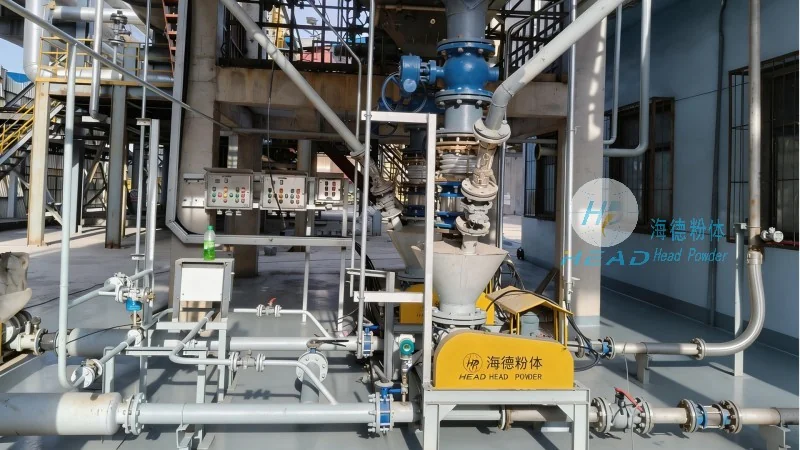
4. Comparison of Gravity Conveying Methods
When selecting a gravity dust conveying method, several factors must be considered, including material properties, conveying distance, required capacity, and operational environment. The choice of system significantly impacts the overall efficiency and cost-effectiveness of the dust handling process. Air-lift systems are ideal for fine, low-density materials over short distances, while screw conveyors are better suited for moderate to high bulk densities and shorter to medium distances. Belt conveyors excel in high-capacity, long-distance transport but require more space and maintenance. Shandong HeadPowder Engineering Co., Ltd. provides comprehensive consultation services to help clients evaluate their specific needs and select the most appropriate gravity dust conveying solution. Our team of engineers analyzes the material characteristics, operational requirements, and budget constraints to recommend customized systems that optimize performance and minimize operational costs.
Conclusion and Recommendations
Gravity dust conveying is a vital component of efficient industrial operations, and the choice of conveying method directly affects the plant's productivity and environmental compliance. By understanding the advantages and disadvantages of different systems, industrial facilities can make informed decisions that enhance their dust handling capabilities. Shandong HeadPowder Engineering Co., Ltd. is committed to providing high-quality, customized gravity dust conveying solutions that meet the unique needs of our clients. Our expertise in material handling and industrial engineering ensures that our systems are designed for long-term reliability and minimal maintenance. Whether you need an air-lift, screw, or belt conveyor system, we can help you find the best solution for your specific application. Contact us today to learn more about our gravity dust conveying technologies and how they can improve your industrial processes.

 Công ty TNHH Kỹ thuật Công trình Bột Hải Đức Sơn Đông
 156-6277-7102(Quản lý Trương)
  0531-83386006
  Quận Chương Khâu, Thành phố Tế Nam, Tỉnh Sơn Đông, Trung Quốc
Điện thoại
WeChatTư vấn
Lên đầu