Công ty Hải Đức Bột với hơn 10 năm kinh nghiệm vận chuyển khí, cung cấp hệ thống‑thiết bị‑quạt gió và nhận dự án tổng thầu bột cả nước
When it comes to the efficient handling of sorghum pith in the production of sorghum liquor, selecting the right conveying method is crucial. The choice of conveying system directly impacts operational efficiency, cost-effectiveness, and the overall quality of the final product. This article provides a detailed comparison of common sorghum pith conveying methods, highlighting their advantages and disadvantages to help manufacturers make informed decisions.

Introduction to Sorghum Pith Conveying
Sorghum pith, also known as distiller's grain, is a byproduct generated during the distillation process of sorghum liquor. It is a fibrous material that requires effective transportation from the distillation unit to storage or further processing areas. The selection of a suitable conveying method depends on factors such as the volume of material, the distance to be covered, the material's physical properties (e.g., moisture content, bulk density), and the available budget. Understanding the pros and cons of each method is essential for optimizing production lines and minimizing operational costs.
1. Belt Conveyor (Pulley Conveyor)
The belt conveyor is one of the most widely used methods for transporting bulk materials, including sorghum pith. It consists of a continuous loop of belt supported by rollers, with the material placed on the belt and carried to the destination. The advantages of belt conveyors include high conveying capacity, ability to transport materials over long distances, and low maintenance requirements once installed. They are also suitable for transporting materials with high moisture content and can handle a wide range of particle sizes. However, belt conveyors have some drawbacks. They require a relatively large footprint, and the belt may stretch or wear out over time, necessitating regular replacement or tension adjustments. Additionally, they are not suitable for vertical lifting of materials, as this would require a steep incline that could lead to material spillage or increased energy consumption.
2. Screw Conveyor (Auger Conveyor)
Screw conveyors, also known as auger conveyors, use a rotating screw to move material along a tube or trough. This method is particularly effective for transporting sorghum pith with moderate moisture content and relatively small particle sizes. The advantages of screw conveyors include their compact design, which allows for installation in confined spaces, and their ability to handle vertical lifting with minimal energy input. They are also relatively simple in structure, making them easy to install and maintain. However, screw conveyors have limitations. They are not suitable for transporting materials with high moisture content or large particles, as this can cause the screw to jam or wear out quickly. The high friction between the material and the screw can also lead to increased energy consumption, especially when conveying over long distances or at high speeds.
3. Pneumatic Conveying System
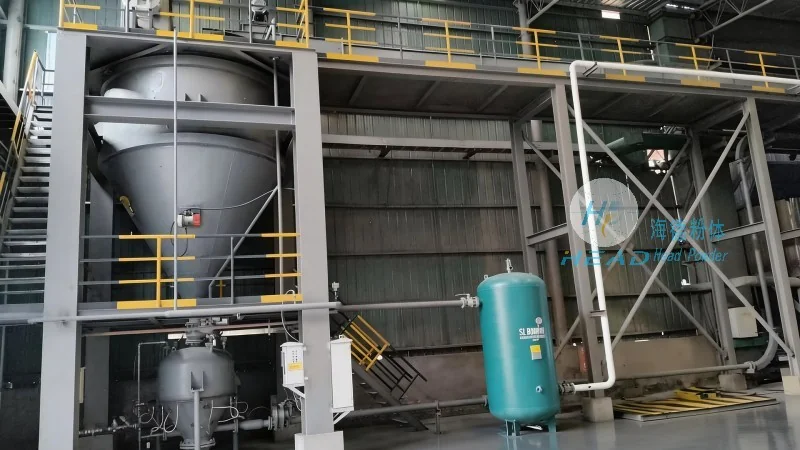
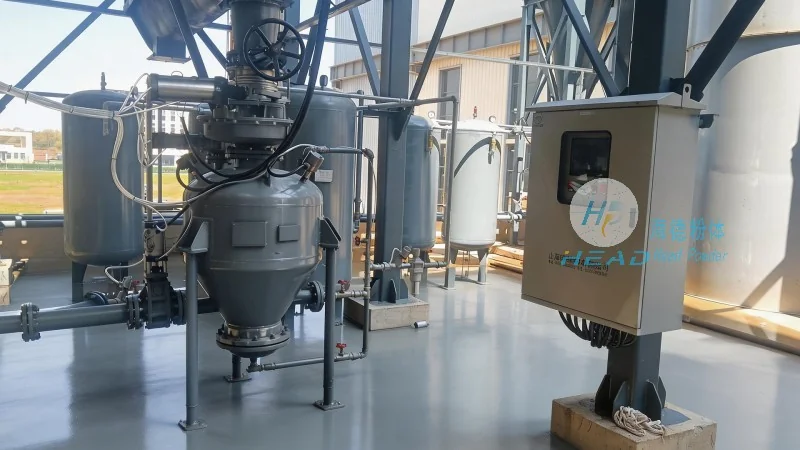
Pneumatic conveying systems use air pressure to transport sorghum pith through a pipeline. This method is ideal for applications requiring dust-free and hygienic handling of the material. The advantages of pneumatic conveyors include their ability to transport materials over long distances without the need for intermediate transfer points, and their suitability for vertical and horizontal transport. They also provide a clean and enclosed environment, reducing the risk of contamination and dust emissions. However, pneumatic conveying systems have significant drawbacks. They require high energy input, as the air pressure needed to move the material can be substantial. The system also needs to be carefully designed to prevent material blockages and ensure consistent air flow. Additionally, the cost of installation and maintenance is higher compared to other methods, and the system may not be suitable for materials with high bulk density or large particle sizes.
4. Hydraulic Conveying System
Hydraulic conveying systems use water or other fluids to transport sorghum pith through a pipeline. This method is commonly used in industries where water is readily available and the material has a high bulk density. The advantages of hydraulic conveyors include their ability to transport materials over long distances with minimal energy consumption, and their suitability for handling materials with high moisture content. They also provide a closed system, reducing the risk of dust and contamination. However, hydraulic conveying systems have several disadvantages. They require a large amount of water, which can increase operational costs and create environmental concerns. The system is also prone to clogging and corrosion, especially if the material contains abrasive particles. Additionally, the maintenance of hydraulic components is more complex and expensive compared to other conveying methods.
Conclusion: Choosing the Right Conveying Method
Selecting the optimal sorghum pith conveying method depends on a combination of factors, including the specific requirements of the production line, the material properties, and the available budget. Belt conveyors are suitable for high-volume, long-distance horizontal transport, while screw conveyors are ideal for compact, vertical lifting applications. Pneumatic systems are preferred for dust-free and hygienic handling, whereas hydraulic systems are best for materials with high bulk density and water availability. By carefully evaluating the advantages and disadvantages of each method, manufacturers can select a conveying system that maximizes efficiency, reduces costs, and ensures the quality of the final sorghum liquor product.

 Công ty TNHH Kỹ thuật Công trình Bột Hải Đức Sơn Đông
 156-6277-7102(Quản lý Trương)
  0531-83386006
  Quận Chương Khâu, Thành phố Tế Nam, Tỉnh Sơn Đông, Trung Quốc
Điện thoại
WeChatTư vấn
Lên đầu