Công ty Hải Đức Bột với hơn 10 năm kinh nghiệm vận chuyển khí, cung cấp hệ thống‑thiết bị‑quạt gió và nhận dự án tổng thầu bột cả nước
When it comes to plastering projects, the efficiency and effectiveness of plaster powder delivery methods play a crucial role in determining the quality and speed of the work. Shandong HeadPowder Engineering Co., Ltd., a leading manufacturer based in China, specializes in providing high-quality plaster products and solutions. This article will explore the various common methods used for delivering plaster powder, comparing their advantages and disadvantages to help construction professionals choose the most suitable option for their needs.
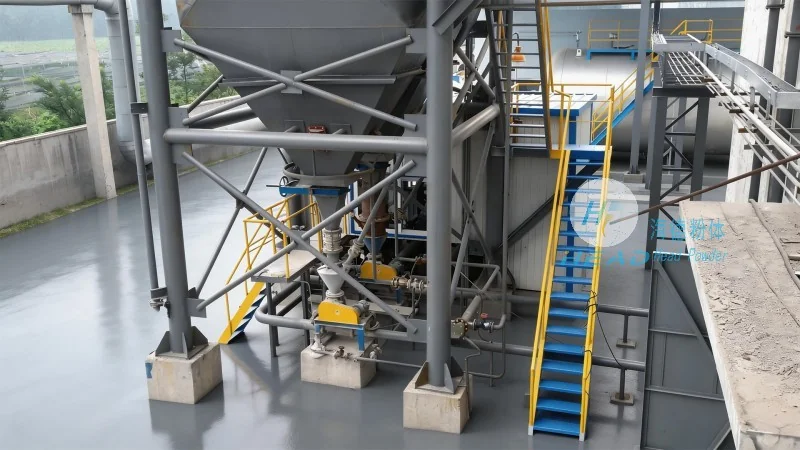
1. Manual Plaster Powder Delivery
Manual delivery involves the use of traditional methods such as hand-held buckets or shovels to transport plaster powder from storage to the work site. This method is commonly used in small-scale or residential projects where the volume of plaster required is relatively low. The primary advantage of manual delivery is its simplicity and low cost, as it does not require any specialized equipment. However, it is labor-intensive and can be time-consuming, especially when dealing with large quantities of plaster. The physical strain on workers can also lead to fatigue and potential health issues over time. Additionally, manual delivery may result in inconsistent application, as the plaster may settle in the container or be unevenly distributed, affecting the final finish of the surface.
2. Mechanical Plaster Powder Delivery with Pneumatic Systems
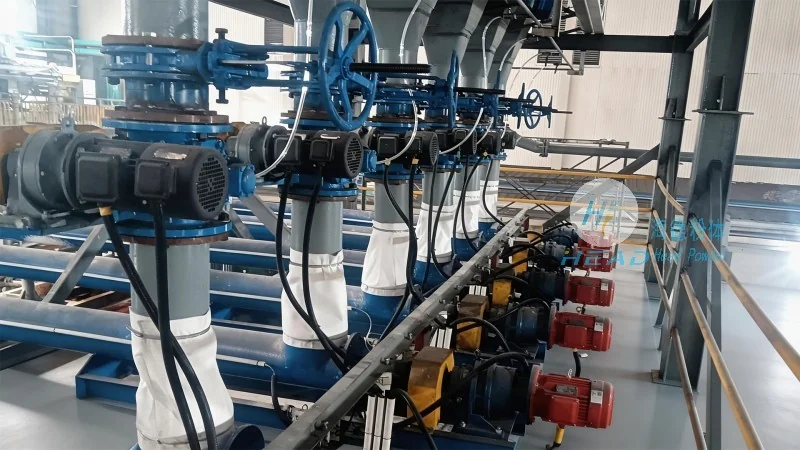
Another common method is the use of pneumatic systems, which utilize compressed air to transport plaster powder through hoses to the application point. This approach is widely used in both residential and commercial projects, particularly where a steady and controlled flow of plaster is needed. The main benefit of pneumatic delivery is its ability to maintain a consistent pressure and flow rate, ensuring that the plaster reaches the work area without clogging or settling. This method also reduces the physical strain on workers, as they do not need to carry heavy containers. However, the setup and maintenance of pneumatic systems can be more complex and expensive compared to manual methods. Additionally, the cost of compressed air and the need for proper ventilation in the work area are factors that need to be considered. Pneumatic systems also require regular cleaning to prevent dust accumulation and ensure optimal performance.
3. Mechanical Plaster Powder Delivery with Vacuum Systems
Vacuum systems are another mechanical option for plaster powder delivery, which use suction to draw plaster from a container and transport it to the work site. This method is particularly useful in environments where dust control is a priority, as the system can capture and contain the plaster powder during transport. The primary advantage of vacuum delivery is its ability to minimize dust exposure, making it suitable for indoor or enclosed spaces. It also allows for a more controlled and precise application of plaster, as the vacuum helps maintain a consistent flow. However, vacuum systems are generally more expensive to install and maintain compared to pneumatic systems. They also require a reliable power source and proper filtration to ensure that the plaster is not contaminated with debris. The setup process can be more time-consuming, as the vacuum lines need to be properly connected and tested before use.
4. Mechanical Plaster Powder Delivery with Screw Conveyors
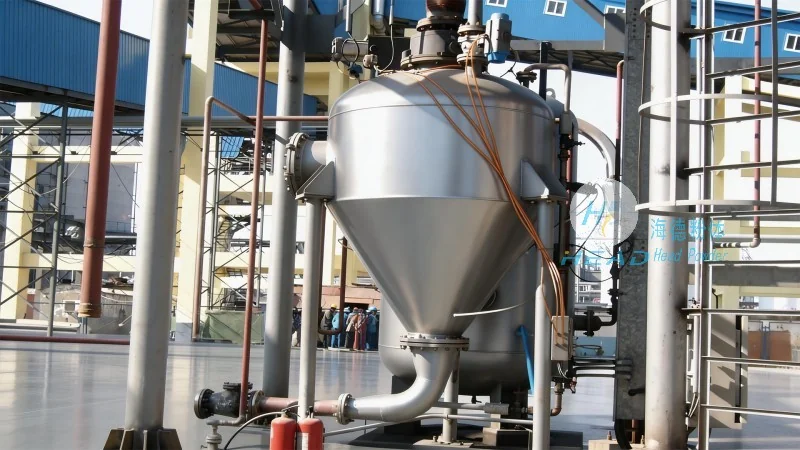
Screw conveyors are a type of mechanical system that uses a rotating screw to move plaster powder through a tube or trough. This method is commonly used in industrial or large-scale construction projects where a continuous and efficient flow of plaster is required. The main advantage of screw conveyors is their ability to handle large volumes of plaster powder with minimal labor. They can maintain a consistent speed and flow rate, reducing the risk of clogging or uneven distribution. Screw conveyors are also relatively low-maintenance, as they have fewer moving parts compared to other mechanical systems. However, they are more expensive to install and may require additional space for the conveyor system. The design of the screw and the material of the conveyor tube need to be carefully selected to prevent wear and tear from the abrasive nature of plaster powder. Additionally, screw conveyors may not be suitable for all types of plaster, as some formulations may be too thick or sticky for the system to handle effectively.
5. Mechanical Plaster Powder Delivery with Belt Conveyors
Belt conveyors are another mechanical option for plaster powder delivery, which use a moving belt to transport plaster from a storage area to the work site. This method is often used in large-scale projects where a high volume of plaster needs to be moved over a distance. The primary advantage of belt conveyors is their ability to handle large quantities of plaster efficiently and continuously. They can maintain a consistent speed and flow rate, reducing the risk of clogging or uneven distribution. Belt conveyors are also relatively low-maintenance, as they have fewer moving parts compared to other mechanical systems. However, they are more expensive to install and may require additional space for the conveyor system. The design of the belt and the material of the conveyor frame need to be carefully selected to prevent wear and tear from the abrasive nature of plaster powder. Additionally, belt conveyors may not be suitable for all types of plaster, as some formulations may be too thick or sticky for the system to handle effectively.
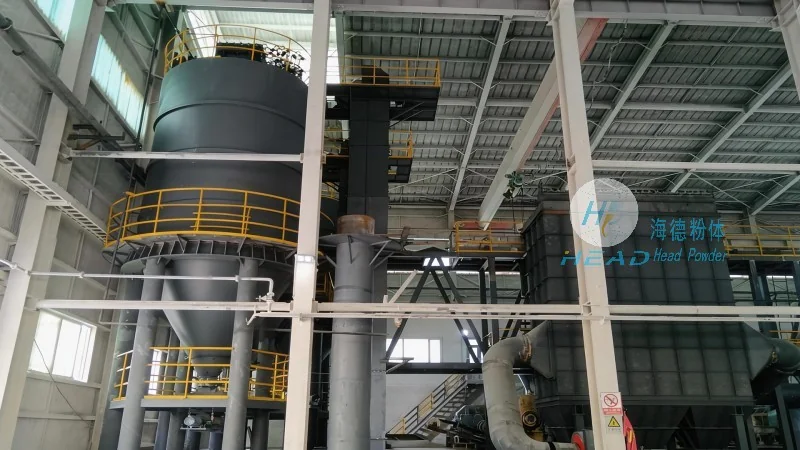
6. Comparing the Delivery Methods
When choosing a plaster powder delivery method, construction professionals need to consider several factors, including the scale of the project, the volume of plaster required, the available budget, and the need for dust control. Manual delivery is suitable for small-scale projects with low plaster volumes and limited budgets. Pneumatic systems are ideal for medium to large projects where a steady flow and reduced worker strain are important. Vacuum systems are preferred in indoor or enclosed spaces where dust control is a priority. Screw and belt conveyors are best suited for large-scale industrial projects requiring high-volume, continuous delivery.
Conclusion
Shandong HeadPowder Engineering Co., Ltd. offers a range of high-quality plaster products and solutions to meet the diverse needs of construction projects. By understanding the different plaster powder delivery methods and their respective advantages and disadvantages, professionals can select the most appropriate option to ensure efficient and effective plastering work. Whether using manual, pneumatic, vacuum, screw, or belt systems, the goal is to achieve a smooth, consistent finish while minimizing labor and equipment costs. With the right delivery method and quality plaster products from HeadPowder, construction projects can be completed with precision and reliability.

 Công ty TNHH Kỹ thuật Công trình Bột Hải Đức Sơn Đông
 156-6277-7102(Quản lý Trương)
  0531-83386006
  Quận Chương Khâu, Thành phố Tế Nam, Tỉnh Sơn Đông, Trung Quốc
Điện thoại
WeChatTư vấn
Lên đầu