Công ty Hải Đức Bột với hơn 10 năm kinh nghiệm vận chuyển khí, cung cấp hệ thống‑thiết bị‑quạt gió và nhận dự án tổng thầu bột cả nước
For industrial applications involving metal powders, selecting the right conveying method is crucial for efficiency, cost-effectiveness, and product integrity. Shandong HeadPowder Engineering Co., Ltd., a leading manufacturer based in Shandong, China, specializes in providing advanced solutions for material handling. This article provides a detailed comparison of common metal powder conveying methods, highlighting their advantages, limitations, and suitable applications.
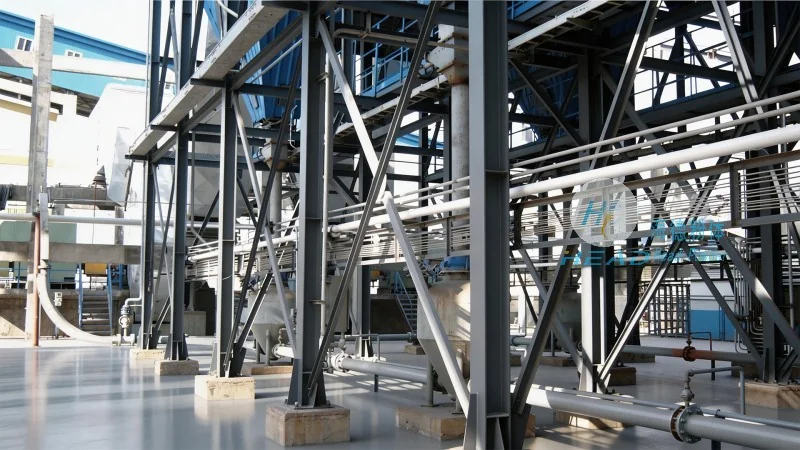
Introduction to Metal Powder Conveying
Metal powders are widely used in manufacturing processes such as 3D printing, powder metallurgy, and coating applications. Effective conveying of these powders requires systems that can handle fine particles without causing segregation, agglomeration, or contamination. The choice of conveying method depends on factors like powder properties, required throughput, system layout, and operational environment. Below, we explore several common approaches to metal powder transport.
1. Air-Driven Pneumatic Conveying Systems
Pneumatic conveying, also known as air-driven systems, uses compressed air to transport metal powders through a pipeline. This method is highly effective for handling fine powders and can be categorized into two main types: pressure and vacuum systems. Pressure systems are suitable for long-distance and high-volume transport, as they can maintain consistent flow rates and minimize particle degradation. Vacuum systems, on the other hand, are ideal for short-distance or point-to-point applications, such as feeding hoppers or mixing equipment. A key advantage of pneumatic conveying is its ability to handle abrasive materials without significant wear on components. However, it may require higher energy consumption compared to other methods, especially for high-volume operations. Shandong HeadPowder Engineering Co., Ltd. offers customized pneumatic conveying solutions tailored to specific process requirements, ensuring optimal performance and reliability.
2. Screw Conveyors for Metal Powders
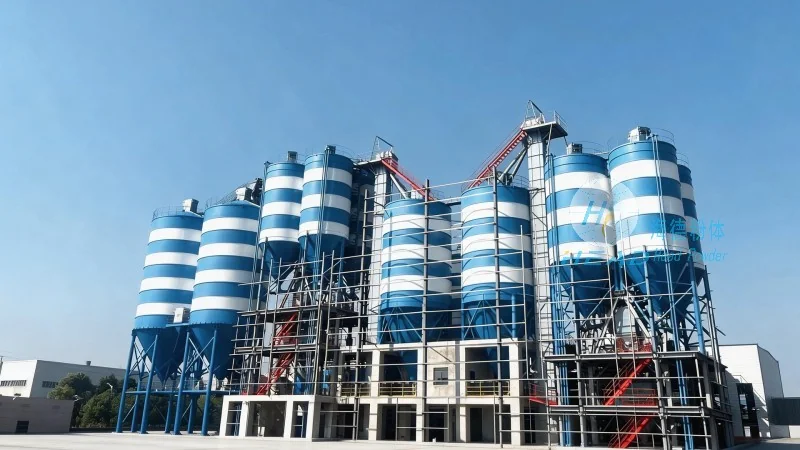
Screw conveyors, or auger conveyors, use a rotating helical screw to move metal powders along a trough. This method is suitable for moderate to high throughput applications and is particularly effective for handling cohesive or free-flowing powders. Screw conveyors are relatively simple in design, making them cost-effective and easy to maintain. They can be installed horizontally or at an incline, allowing for vertical transport with minimal power consumption. However, screw conveyors may experience wear on the screw and trough due to abrasive powders, and they are less suitable for very fine or lightweight particles that can cause segregation. For applications requiring gentle handling, such as feeding mixers or processing equipment, screw conveyors provide a reliable and efficient solution. Shandong HeadPowder Engineering Co., Ltd. manufactures high-quality screw conveyors designed to withstand the demands of metal powder handling, ensuring long service life and consistent performance.
3. Vibratory Conveyors and Feeders
Vibratory conveyors use mechanical vibrations to move metal powders along a trough. This method is ideal for handling cohesive or sticky powders that may clog other systems. Vibratory feeders, a subset of this category, are used for precise metering and feeding of powders into processing equipment. The vibrations help break up agglomerates and ensure uniform flow, reducing the risk of material bridging or arching. Vibratory systems are low-maintenance and energy-efficient, making them suitable for continuous operation in industrial settings. However, they may not be suitable for very fine powders that can be carried away by the vibration, and the design must be optimized to prevent excessive wear on the trough and drive components. Shandong HeadPowder Engineering Co., Ltd. provides advanced vibratory conveying solutions that address the unique challenges of metal powder handling, ensuring consistent and reliable material transport.
4. Hydraulic Conveying Systems
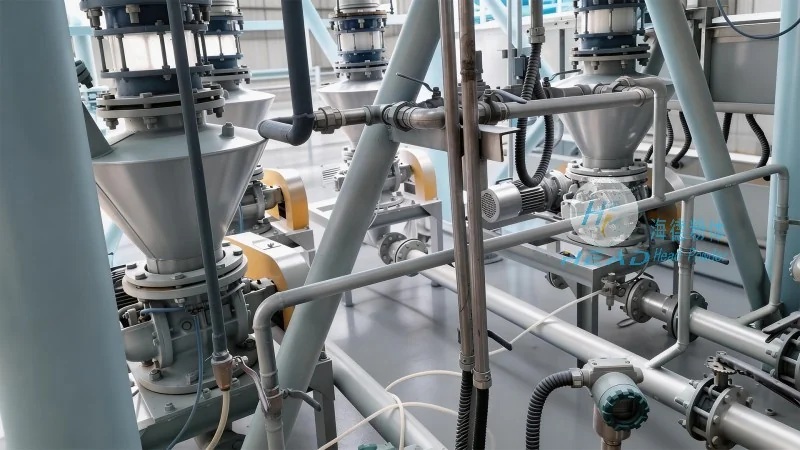
Hydraulic conveying uses a liquid medium, typically water or a specialized fluid, to transport metal powders. This method is particularly effective for handling very fine or moisture-sensitive powders, as the liquid helps prevent particle degradation and agglomeration. Hydraulic systems are capable of high throughput and can handle long distances with minimal pressure loss. However, they require additional equipment for fluid recycling and may be less suitable for applications where moisture could affect downstream processes. The cost of hydraulic systems is generally higher due to the need for pumps, filters, and recycling systems. Shandong HeadPowder Engineering Co., Ltd. offers specialized hydraulic conveying solutions for industries requiring moisture control or handling of fine powders, ensuring compliance with process requirements and operational efficiency.
5. Belt Conveyors for Bulk Metal Powders
Belt conveyors use a continuous belt to transport metal powders in bulk quantities. This method is ideal for high-volume, long-distance transport and is commonly used in mining and bulk material handling applications. Belt conveyors can handle a wide range of particle sizes and shapes, including irregularly shaped metal powders. They are relatively simple to operate and maintain, with minimal moving parts compared to other systems. However, belt conveyors may experience wear on the belt and idlers due to abrasive powders, and they are less effective for fine powders that can cause dusting or segregation. For applications requiring continuous material transport over long distances, belt conveyors provide a cost-effective and reliable solution. Shandong HeadPowder Engineering Co., Ltd. manufactures robust belt conveyor systems designed to handle the demands of bulk metal powder handling, ensuring durability and consistent performance.
Conclusion: Choosing the Right Conveying Method
The selection of a metal powder conveying method depends on several factors, including powder properties, required throughput, system layout, and operational environment. Pneumatic systems excel in fine powder transport and long-distance applications, while screw conveyors offer simplicity and reliability for moderate throughput. Vibratory systems are ideal for cohesive powders, and hydraulic systems provide moisture control for sensitive materials. Belt conveyors are suitable for bulk handling over long distances. Shandong HeadPowder Engineering Co., Ltd. understands these considerations and provides customized conveying solutions that meet the specific needs of each application. By partnering with HeadPowder, industries can enhance their material handling efficiency, reduce operational costs, and ensure product quality in metal powder processing.

 Công ty TNHH Kỹ thuật Công trình Bột Hải Đức Sơn Đông
 156-6277-7102(Quản lý Trương)
  0531-83386006
  Quận Chương Khâu, Thành phố Tế Nam, Tỉnh Sơn Đông, Trung Quốc
Điện thoại
WeChatTư vấn
Lên đầu