Công ty Hải Đức Bột với hơn 10 năm kinh nghiệm vận chuyển khí, cung cấp hệ thống‑thiết bị‑quạt gió và nhận dự án tổng thầu bột cả nước
Barite, a key industrial mineral, plays a vital role in various applications such as oil drilling, chemical manufacturing, and medical imaging. The efficient transportation of barite is crucial for industrial operations, as it ensures a steady supply of this material to processing facilities and end-users. This article explores the common methods used for barite transportation, highlighting the key factors that influence the choice of each method.
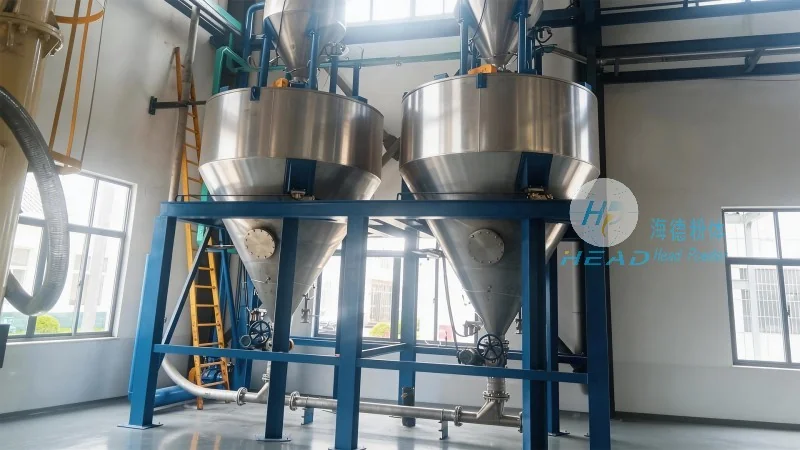
1. Pipeline Transportation: A High-Capacity Option
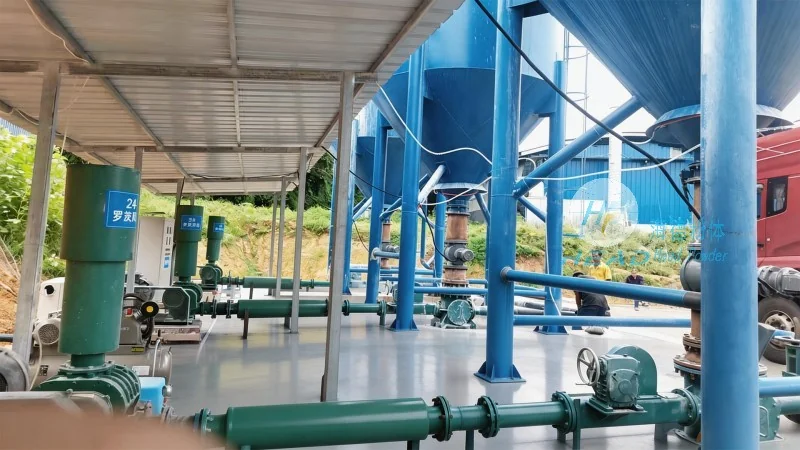
Pipeline transportation is a widely used method for moving barite, especially in large-scale industrial settings. This method involves pumping barite slurry through a network of pipelines, which can be underground or above ground. The primary advantage of pipeline transportation is its high capacity, as it can transport large volumes of material over long distances with minimal labor and operational costs. The process typically involves mixing barite with water to create a slurry, which is then pumped through pipelines using centrifugal pumps. This method is particularly suitable for continuous production lines and facilities that require a consistent flow of barite. For instance, in oil and gas operations, pipelines are used to transport barite slurry to drilling sites, where it is used as a weighting agent to control wellbore pressure. The efficiency of pipeline transportation is enhanced by the use of specialized equipment, such as high-pressure pumps and flow meters, which ensure the slurry is moved smoothly and without clogging. Additionally, the use of corrosion-resistant materials for pipelines, such as stainless steel or polyethylene, helps to prevent damage from the acidic or abrasive nature of barite slurry. Overall, pipeline transportation is a reliable and cost-effective method for barite transportation, especially for companies like Shandong HeadPowder Engineering Co., Ltd., which specializes in providing industrial mineral solutions.
2. Belt Conveyor Systems: Versatile and Durable
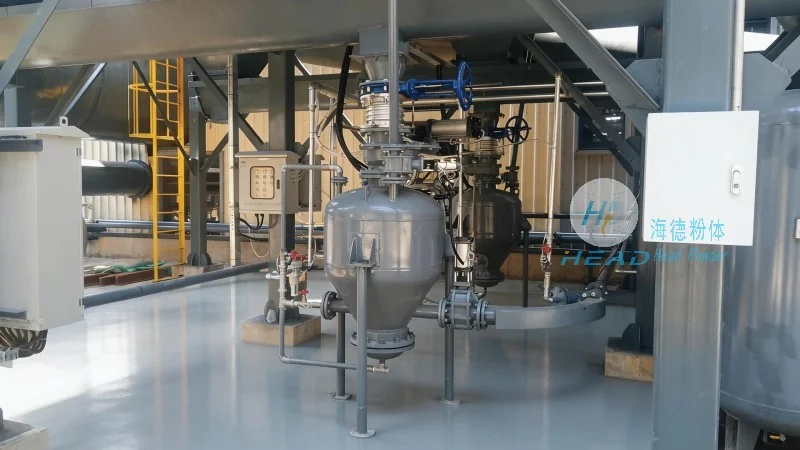
Belt conveyor systems are another common method for transporting barite, particularly in mining and processing facilities. These systems consist of a continuous loop of conveyor belt that moves material from one point to another using rollers or pulleys. The advantage of belt conveyors is their versatility, as they can handle a wide range of barite sizes and types, from fine powders to large lumps. Belt conveyors are also durable and can operate in harsh environments, such as outdoor mining sites or industrial plants. The process of using a belt conveyor involves feeding barite into the system, where it is carried along the belt to the desired location. This method is often used in combination with other equipment, such as crushers or screens, to process barite before it is transported. For example, in a barite processing plant, a belt conveyor may be used to transport raw barite from a storage area to a crushing unit, where it is then processed into a finer product. The efficiency of belt conveyor systems is improved by the use of variable speed drives, which allow operators to adjust the speed of the conveyor based on the volume of material being transported. Additionally, the use of heavy-duty belts and idlers helps to ensure the system operates smoothly and without breakdowns. Belt conveyor systems are a popular choice for companies like headpowder, as they provide a reliable and efficient way to move barite through processing facilities.
3. Truck Transportation: Flexible and Local
Truck transportation is a flexible and widely used method for transporting barite, especially for short to medium distances. This method involves loading barite into trucks and transporting it to the destination, such as processing plants or end-users. The advantage of truck transportation is its flexibility, as it can be used to transport barite to locations that are not easily accessible by pipelines or belt conveyors. Truck transportation is also suitable for transporting smaller quantities of barite, as it can be adjusted to meet the specific needs of customers. The process of truck transportation involves loading barite into trucks using loaders or other equipment, and then driving the trucks to the destination. This method is often used in combination with other transportation methods, such as rail or barge, to transport barite over longer distances. For example, in a mining operation, trucks may be used to transport barite from the mine to a processing plant, where it is then processed into a final product. The efficiency of truck transportation is improved by the use of specialized trucks, such as dump trucks or bulk trucks, which are designed to carry large quantities of barite. Additionally, the use of GPS tracking systems helps to ensure that trucks are routed efficiently and that delivery times are met. Truck transportation is a common choice for companies like headpowder, as it provides a flexible and cost-effective way to transport barite to customers.

 Công ty TNHH Kỹ thuật Công trình Bột Hải Đức Sơn Đông
 156-6277-7102(Quản lý Trương)
  0531-83386006
  Quận Chương Khâu, Thành phố Tế Nam, Tỉnh Sơn Đông, Trung Quốc
Điện thoại
WeChatTư vấn
Lên đầu