Công ty Hải Đức Bột với hơn 10 năm kinh nghiệm vận chuyển khí, cung cấp hệ thống‑thiết bị‑quạt gió và nhận dự án tổng thầu bột cả nước
Graphite lumps are widely utilized across diverse industrial sectors, including refractory manufacturing, battery production, and metal processing. The efficient and reliable transport of graphite lumps is paramount for sustaining production efficiency and product quality. This article delves into the prevalent methods employed for graphite lump conveying, focusing on technical considerations and practical applications for each approach.
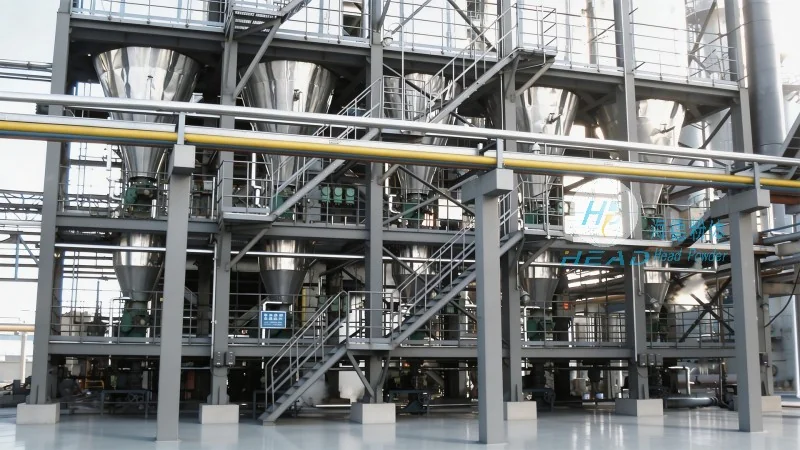
1. Belt Conveyor System for Graphite Lump Transport
Graphite lumps, owing to their abrasive and sometimes slippery characteristics, necessitate specialized equipment for effective transport. The belt conveyor system emerges as a dependable solution for moving these materials across various industrial settings. It operates by utilizing a continuous belt—typically constructed from heavy-duty rubber or PVC—supported by rollers and driven by a motor. The belt moves at a controlled speed, carrying the graphite lumps from the loading point to the unloading point. This method is highly adaptable, as it can be configured with horizontal, inclined, or even vertical sections to align with the layout of a processing plant. The company, Shandong HeadPowder Engineering Co., Ltd., possesses extensive expertise in designing and manufacturing belt conveyor systems tailored to the unique demands of graphite processing. Their systems are engineered with reinforced belts and robust pulleys to endure the wear caused by graphite lumps, ensuring long operational life and minimal downtime. Additionally, the company offers customization options, such as variable speed drives and material handling accessories, to enhance the efficiency and safety of the conveying process.
2. Screw Conveyor for Graphite Lump Handling
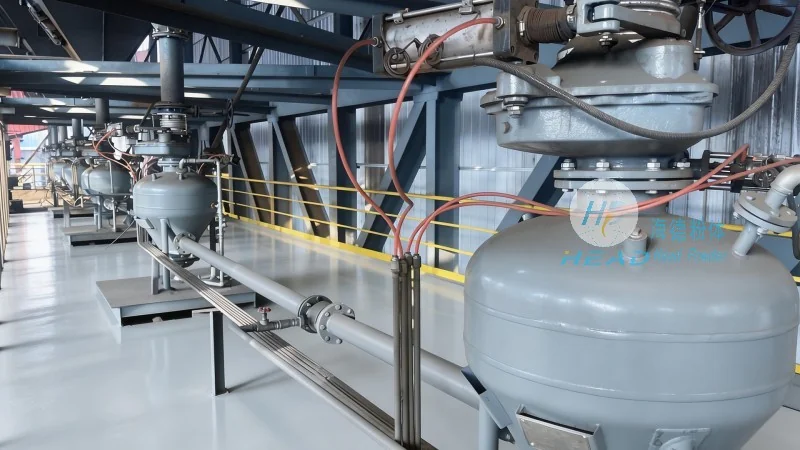
For applications where space is constrained or vertical transport is required, the screw conveyor is an excellent choice. This equipment comprises a rotating helical screw enclosed within a tube, which pushes the graphite lumps forward as the screw rotates. The screw's design, including its pitch (the distance between adjacent threads) and diameter, is critical for determining the conveying capacity and efficiency. A properly designed screw conveyor can handle a wide range of lump sizes, from small fragments to larger pieces, while maintaining consistent flow. HeadPowder's screw conveyors are constructed with corrosion-resistant materials, such as stainless steel or coated steel, to resist the chemical interactions with graphite. The company's engineering team ensures that the screw speed and torque are optimized to prevent material clogging and ensure smooth operation. This makes the screw conveyor an ideal solution for vertical lifting of graphite lumps, often used in conjunction with other equipment like hoppers or storage silos.
3. Pneumatic Conveying System for Graphite Lump Transfer
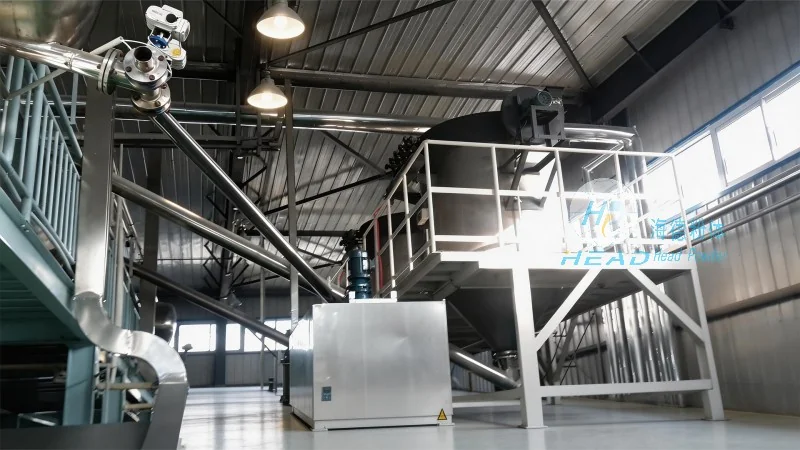
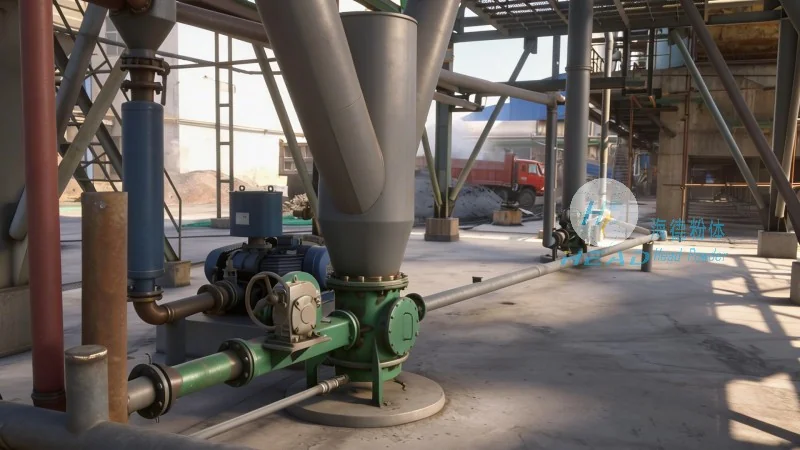
Pneumatic conveying utilizes compressed air to transport graphite lumps through a closed pipeline system. This method is particularly advantageous for applications where dust control and environmental compliance are priorities. The system typically includes a hopper to feed the material, a blower or air compressor to generate the air flow, and a receiver to collect the material at the destination. The air pressure and flow rate are carefully controlled to ensure the material is moved efficiently without causing excessive wear on the system components. Pneumatic conveying can handle both dry and slightly wet graphite lumps, and it is often used for long-distance transport, as the material remains contained within the pipeline. Shandong HeadPowder Engineering Co., Ltd. specializes in designing advanced pneumatic conveying systems that are optimized for graphite lump transport. Their solutions include features such as air filtration systems to reduce dust emissions and adjustable velocity controls to maintain material integrity. These systems are built with high-quality materials and components to ensure reliable operation and minimal maintenance, making them a cost-effective choice for many graphite processing facilities.
4. Hydraulic Conveying for Specialized Graphite Lump Handling
In certain specialized applications, such as handling wet or highly abrasive graphite lumps, hydraulic conveying may be preferred. This method uses fluid pressure to move the material through a pipeline, providing a smooth and controlled transport process. The system consists of a hydraulic pump, a pressure line, and a nozzle or pipe that directs the material to the destination. The hydraulic fluid acts as a lubricant, reducing friction and preventing clogging, which is especially beneficial for sticky or wet graphite materials. Hydraulic conveying is typically used for short to medium distances and is often integrated with other equipment, such as a screw or belt conveyor, to form a complete material handling system. HeadPowder's hydraulic conveying solutions are engineered with high-pressure components and durable materials to withstand the demanding conditions of graphite processing. The company's expertise in hydraulic system design ensures that the equipment operates efficiently and safely, with minimal risk of leaks or system failures. This makes hydraulic conveying a reliable option for specialized graphite lump handling tasks.

 Công ty TNHH Kỹ thuật Công trình Bột Hải Đức Sơn Đông
 156-6277-7102(Quản lý Trương)
  0531-83386006
  Quận Chương Khâu, Thành phố Tế Nam, Tỉnh Sơn Đông, Trung Quốc
Điện thoại
WeChatTư vấn
Lên đầu