Công ty Hải Đức Bột với hơn 10 năm kinh nghiệm vận chuyển khí, cung cấp hệ thống‑thiết bị‑quạt gió và nhận dự án tổng thầu bột cả nước
Resin sand, a critical material in foundry production, requires efficient and reliable conveying systems to ensure smooth workflow and high-quality casting outcomes. The choice of conveying method significantly impacts production efficiency, material integrity, and operational costs. For manufacturers like Shandong HeadPowder Engineering Co., Ltd., based in Shandong, China, understanding the available options is essential for optimizing their foundry processes.
As a leading provider in the industry, Shandong HeadPowder Engineering Co., Ltd. specializes in delivering tailored solutions for resin sand handling and transportation. Their expertise in material handling systems ensures that clients receive equipment and services that meet specific production requirements, enhancing overall foundry performance.
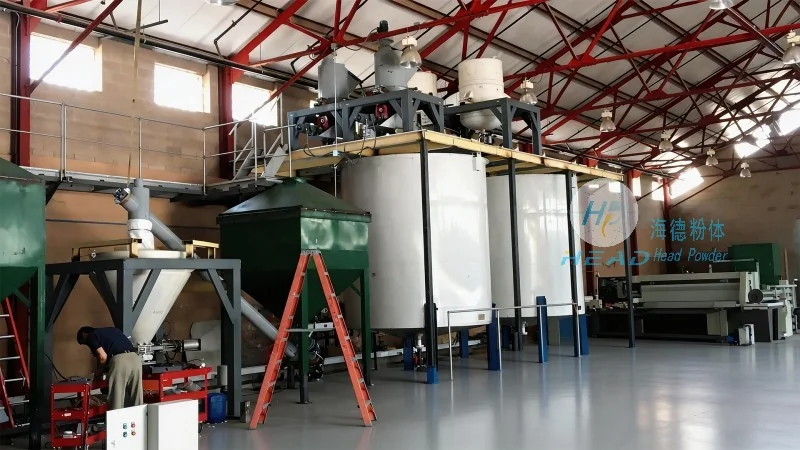
Screw Conveyors: A Versatile Option for Resin Sand Transport
Screw conveyors are a popular choice for resin sand conveying due to their ability to handle a wide range of materials, including abrasive and sticky substances. These systems use a rotating screw (or auger) to move material along a trough, providing a continuous and controlled flow. For resin sand, which often contains fine particles and can be prone to caking, screw conveyors offer several advantages. They are compact, easy to install, and can operate in various orientations, making them suitable for both horizontal and slight vertical transport. The enclosed design of screw conveyors also helps minimize dust emissions and protect the material from contamination, which is crucial for maintaining the quality of resin sand used in casting processes.
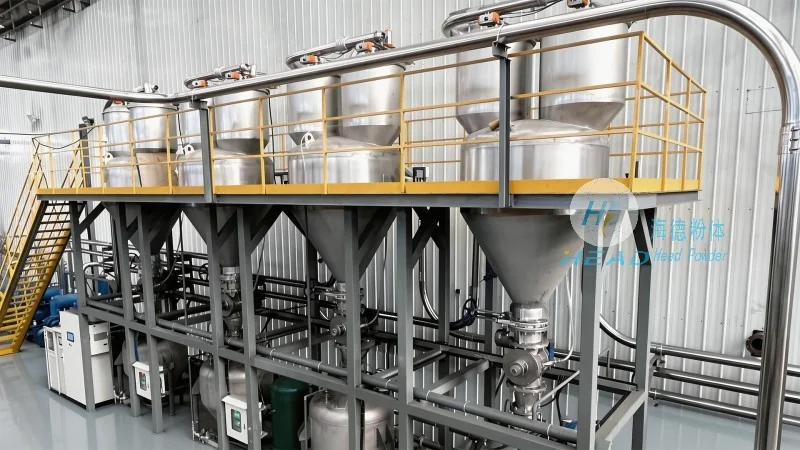
Air-Pressure Conveying Systems: High-Speed and Low-Pressure Solutions
Air-pressure conveying, also known as pneumatic conveying, is another effective method for resin sand transport. This system uses compressed air to move material through a pipeline, offering high-speed and low-maintenance operation. There are two main types of pneumatic conveying: pressure and vacuum. Pressure systems are ideal for long-distance transport, as they can maintain a consistent flow over extended distances without significant pressure loss. Vacuum systems, on the other hand, are better suited for shorter distances or when the material needs to be collected from multiple points. For resin sand, which is often light and fine, air-pressure conveying can be particularly efficient. The system can handle high volumes of material with minimal labor, and the enclosed pipeline reduces the risk of dust exposure and environmental contamination. However, it is important to consider the material's properties, such as moisture content and particle size, as these factors can affect the conveying efficiency and system performance.
Belt Conveyors: Heavy-Duty and Continuous Material Handling
Belt conveyors are commonly used for bulk material handling, including resin sand, due to their high capacity and durability. These systems consist of a continuous belt that moves over rollers or pulleys, transporting material from one point to another. Belt conveyors are particularly suitable for horizontal or slightly inclined transport, making them ideal for moving resin sand from storage bins to mixing or molding areas. They can handle large volumes of material with consistent speed, reducing the risk of material buildup or bottlenecks. The open design of belt conveyors allows for easy inspection and maintenance, which is beneficial for ensuring continuous operation. Additionally, belt conveyors can be equipped with various accessories, such as feeders or dividers, to customize the conveying process according to specific production needs. For foundries that require high throughput and reliable material transport, belt conveyors offer a robust solution.
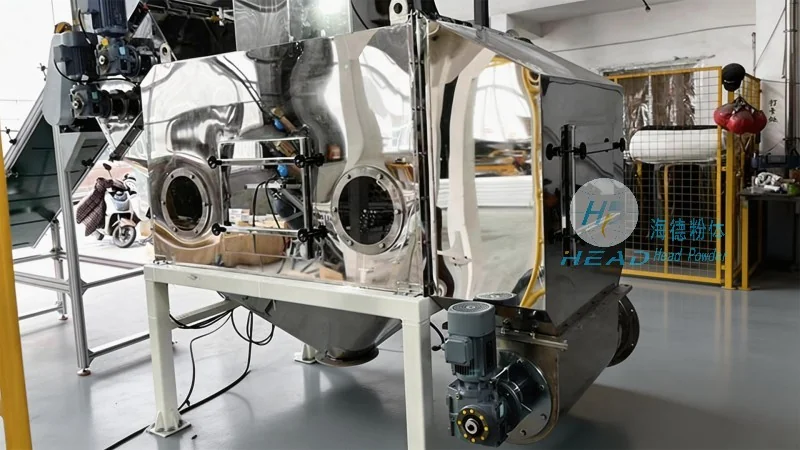
Vibrating Conveyors: Gentle and Efficient for Delicate Materials
Vibrating conveyors use mechanical vibrations to move resin sand along a trough, providing a gentle and controlled transport method. This system is particularly suitable for materials that are sensitive to impact or abrasion, as the vibrations minimize material degradation and maintain particle integrity. Vibrating conveyors are often used in applications where the material needs to be conveyed over long distances or at elevated heights. They can handle a wide range of particle sizes and shapes, making them versatile for different resin sand compositions. The enclosed design of vibrating conveyors helps contain dust and prevent material spillage, which is important for maintaining a clean and safe working environment. Additionally, these systems can be adjusted to control the conveying speed and direction, allowing for precise material handling. For foundries that prioritize material quality and process control, vibrating conveyors offer an effective solution.
Choosing the Right Conveying Method: Factors to Consider
When selecting a resin sand conveying method, several factors should be considered to ensure optimal performance and cost-effectiveness. These factors include the material's properties (such as particle size, moisture content, and abrasiveness), the required transport distance and direction, the production capacity, and the available space. For example, if the foundry requires long-distance horizontal transport with high volume, a belt conveyor or air-pressure system might be more suitable. Conversely, for short-distance vertical transport of fine resin sand, a screw or vibrating conveyor could be more efficient. Shandong HeadPowder Engineering Co., Ltd. provides comprehensive assessments and customized solutions to help clients choose the most appropriate conveying method based on their specific needs. Their expertise in material handling systems ensures that the selected equipment operates efficiently, reduces maintenance costs, and enhances overall foundry productivity.

 Công ty TNHH Kỹ thuật Công trình Bột Hải Đức Sơn Đông
 156-6277-7102(Quản lý Trương)
  0531-83386006
  Quận Chương Khâu, Thành phố Tế Nam, Tỉnh Sơn Đông, Trung Quốc
Điện thoại
WeChatTư vấn
Lên đầu