Công ty Hải Đức Bột với hơn 10 năm kinh nghiệm vận chuyển khí, cung cấp hệ thống‑thiết bị‑quạt gió và nhận dự án tổng thầu bột cả nước
Styrene is a crucial chemical used in various industries, including the production of plastics, resins, and synthetic rubber. The safe and efficient transportation of styrene is vital to ensure smooth operations and maintain product quality. There are several methods available for styrene transportation, each with its own advantages and considerations. This article explores the common methods used for styrene transportation, providing insights into the options available for industries dealing with this chemical.
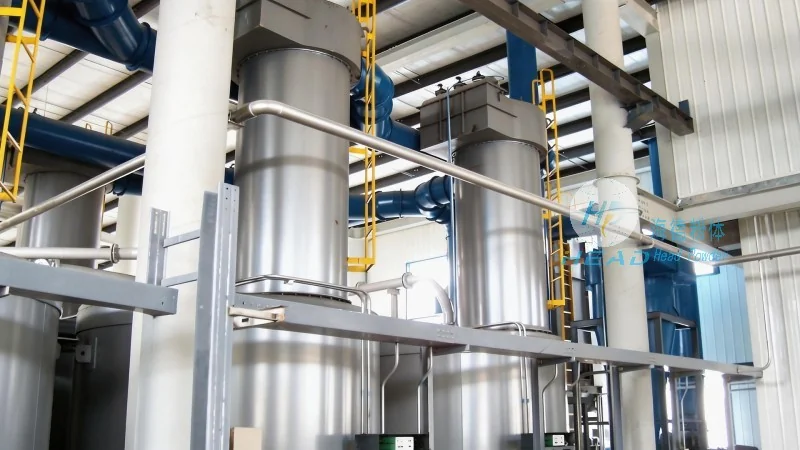
Understanding Styrene and Its Transportation Requirements
Styrene, also known as ethenylbenzene, is an organic compound with the formula C8H8. It is a colorless liquid with a sweet, aromatic odor and is widely used as a monomer in the manufacturing of polystyrene and other polymers. Due to its flammable and volatile nature, styrene transportation requires specialized equipment and adherence to strict safety protocols. The methods used for styrene transportation must be designed to minimize the risk of leaks, spills, and exposure to the environment and personnel.
Common Methods for Styrene Transportation
Several transportation methods are commonly employed for styrene, depending on the distance, volume, and specific requirements of the operation. The primary methods include pipeline transportation, tank truck delivery, and rail tank car transport. Each method has its own characteristics and is suitable for different scenarios.
Pipeline Transportation
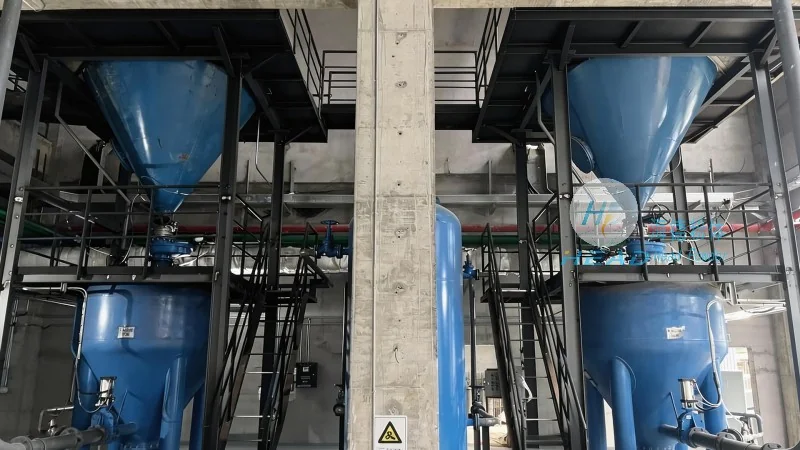
Pipeline transportation is a widely used method for the bulk movement of styrene over long distances. This method involves transporting styrene through a network of underground pipelines, which are typically made of stainless steel or other corrosion-resistant materials. Pipelines are an efficient and cost-effective option for continuous, high-volume transportation. They minimize the risk of spills and leaks compared to other methods, as the liquid is contained within the pipeline system. However, pipeline infrastructure requires significant capital investment and is limited to areas with existing pipeline networks. Companies like Shandong HeadPowder Engineering Co., Ltd. may offer expertise in designing and maintaining pipeline systems for styrene transportation, ensuring compliance with industry standards and safety regulations.
Tank Truck Delivery
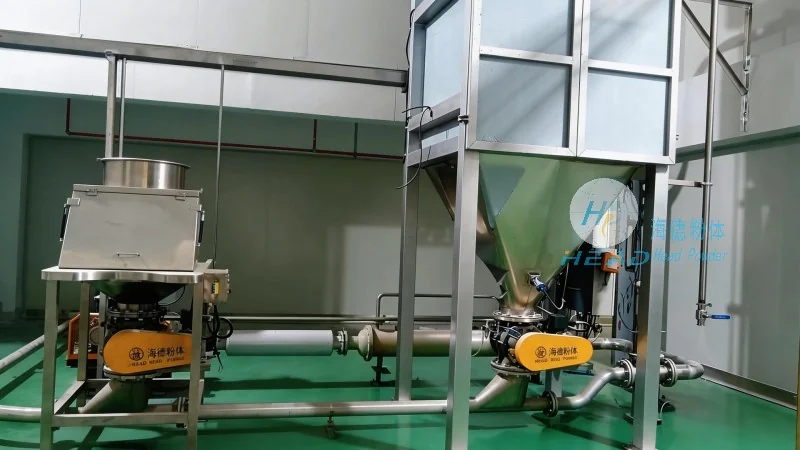
Tank truck delivery is a common method for transporting styrene over shorter distances, such as from a manufacturing plant to a processing facility or a distribution center. Tank trucks are specialized vehicles equipped with insulated tanks to maintain the temperature and pressure of the styrene during transit. These tanks are typically made of carbon steel or stainless steel, lined with materials like polyethylene or epoxy to prevent corrosion and contamination. Tank truck delivery offers flexibility and can be scheduled to meet the specific needs of the recipient. It is particularly useful for smaller volumes or when a pipeline is not available. The process involves loading the styrene into the tank truck at the source, transporting it to the destination, and then unloading it into the recipient's storage tanks. This method requires careful handling to prevent pressure buildup and ensure the integrity of the tank during transit.
Rail Tank Car Transport
Rail tank car transport is another effective method for the long-distance transportation of styrene, especially for large volumes. Rail tank cars are specialized railroad cars designed to carry bulk liquids, including styrene. These cars are typically made of steel and are equipped with pressure relief valves and other safety features to prevent accidents. Rail transport is often more cost-effective than truck or pipeline transport for long distances, as it can carry larger quantities of styrene at a lower cost per unit. However, rail transport is less flexible than truck transport and requires access to rail infrastructure. Companies may need to coordinate with rail operators and plan the route in advance to ensure timely delivery. The use of rail tank cars for styrene transportation is regulated by safety standards to minimize the risk of derailments or leaks.
Other Considerations in Styrene Transportation
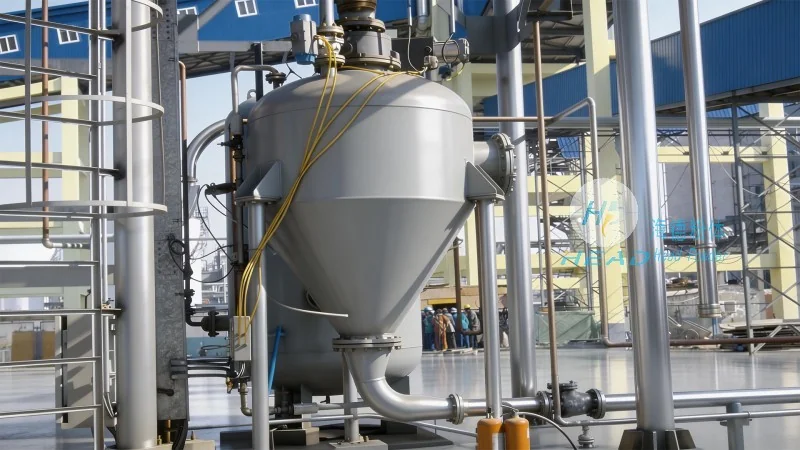
Beyond the primary transportation methods, several other factors are important to consider when transporting styrene. Temperature control is a critical aspect, as styrene can be sensitive to temperature changes, which may affect its viscosity and handling properties. Insulated tanks and pipelines are used to maintain the optimal temperature range, typically between 15°C and 30°C. Pressure management is also essential, as styrene is a volatile liquid and can generate pressure during storage and transportation. Proper pressure relief systems are installed to prevent over-pressurization and potential hazards. Additionally, environmental regulations and safety protocols must be strictly followed to minimize the impact on the environment and ensure the safety of personnel. Companies involved in styrene transportation must comply with local and international regulations regarding the handling, storage, and disposal of any spills or waste materials.
Conclusion
In summary, the transportation of styrene requires careful consideration of the available methods and adherence to strict safety and regulatory standards. Pipeline, tank truck, and rail transport are the primary options, each with its own advantages and limitations. Companies like Shandong HeadPowder Engineering Co., Ltd. play a vital role in providing expertise and solutions for styrene transportation, ensuring that the chemical is moved safely and efficiently. By understanding the different methods and their applications, industries can select the most appropriate transportation option for their needs, minimizing risks and maximizing operational efficiency.

 Công ty TNHH Kỹ thuật Công trình Bột Hải Đức Sơn Đông
 156-6277-7102(Quản lý Trương)
  0531-83386006
  Quận Chương Khâu, Thành phố Tế Nam, Tỉnh Sơn Đông, Trung Quốc
Điện thoại
WeChatTư vấn
Lên đầu