Công ty Hải Đức Bột với hơn 10 năm kinh nghiệm vận chuyển khí, cung cấp hệ thống‑thiết bị‑quạt gió và nhận dự án tổng thầu bột cả nước
When it comes to the efficient and reliable transport of calcium phosphate materials, various methods are employed across different industrial applications. Understanding these methods is crucial for optimizing processes and ensuring product quality. This article explores the primary approaches used for calcium phosphate transport, highlighting key considerations and practical applications.
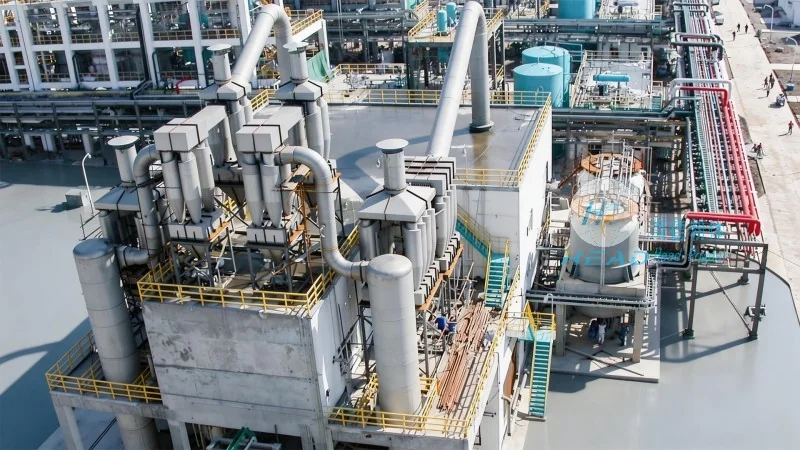
Overview of Calcium Phosphate Transport
Calcium phosphate, a versatile compound used in industries such as pharmaceuticals, agriculture, and food processing, requires specialized handling due to its physical and chemical properties. The choice of transport method depends on factors like material consistency, flow characteristics, and the scale of operation. Common methods include pneumatic conveying, hydraulic pumping, and mechanical handling systems.
Pneumatic Conveying Systems
Pneumatic conveying is a widely used technique for transporting calcium phosphate, especially in bulk quantities. This method involves the use of air or other gases to move the material through a pipeline. There are two main types: pressure and vacuum systems. Pressure systems use compressed air to push the material forward, while vacuum systems create a negative pressure to draw the material into the line. The selection of a pneumatic system depends on the material's dustiness, particle size, and the distance it needs to be transported. For calcium phosphate, which can be abrasive, proper equipment maintenance and material handling protocols are essential to prevent wear and ensure consistent performance.
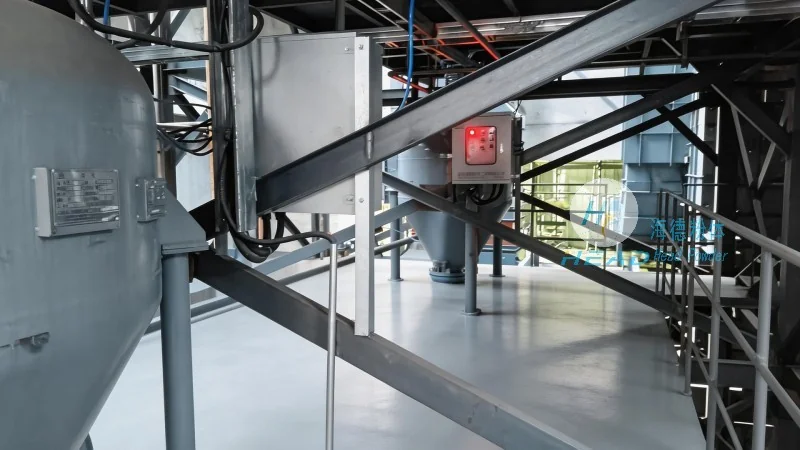
Hydraulic Pumping Solutions
Hydraulic pumping is another effective method for calcium phosphate transport, particularly when dealing with slurries or suspensions. This approach involves using pumps to move the material through pipelines under pressure. Centrifugal pumps, positive displacement pumps, and diaphragm pumps are commonly used, each with its own advantages depending on the specific application. For instance, centrifugal pumps are suitable for high-volume, low-viscosity slurries, while positive displacement pumps are ideal for handling viscous or abrasive materials like calcium phosphate. The choice of pump type is critical to avoid clogging and ensure smooth operation. Additionally, proper pipeline design and cleaning procedures are necessary to maintain the integrity of the system and prevent material buildup.
Mechanical Handling and Bulk Handling Equipment
Mechanical handling systems, such as conveyor belts, screw conveyors, and bucket elevators, are also employed for calcium phosphate transport. These methods are often used in bulk handling operations where the material is moved over short distances or within a processing facility. Screw conveyors, for example, are effective for transporting dry or semi-dry calcium phosphate, as they can handle a wide range of particle sizes and flow rates. Bucket elevators are used for vertical transport, allowing the material to be lifted to higher levels with minimal spillage. The selection of mechanical equipment depends on the material's flow characteristics and the operational environment. Proper maintenance and regular inspections are necessary to ensure the longevity and efficiency of these systems.
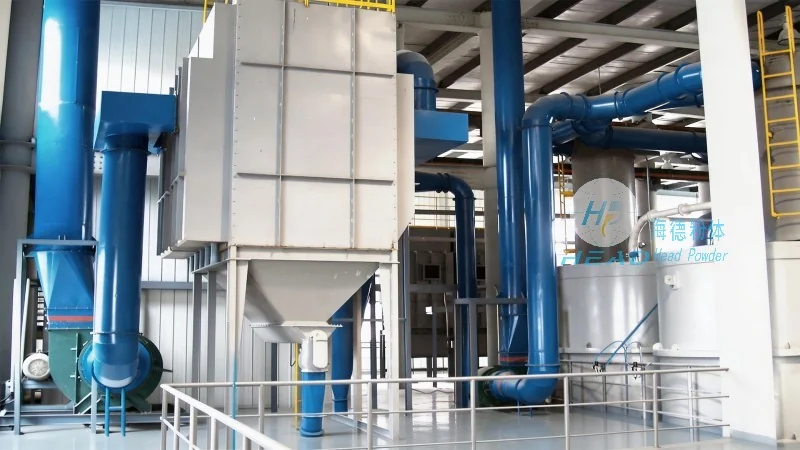
Considerations for Safe and Efficient Transport
Regardless of the method chosen, several factors must be considered to ensure safe and efficient calcium phosphate transport. First, the material's properties, such as its reactivity and abrasiveness, must be taken into account to prevent equipment damage and ensure product integrity. Second, the system design must be optimized for the specific application, considering factors like distance, flow rate, and material consistency. Third, regular maintenance and monitoring are essential to detect and address issues promptly, minimizing downtime and maximizing productivity. Additionally, adherence to safety regulations and industry standards is crucial to protect personnel and the environment.
Conclusion
In conclusion, the transport of calcium phosphate can be achieved through various methods, each with its own advantages and considerations. Pneumatic conveying, hydraulic pumping, and mechanical handling systems are the primary approaches, each suitable for different operational needs. The choice of method depends on factors such as material properties, scale of operation, and process requirements. By understanding these options and implementing proper design and maintenance practices, industries can ensure the efficient and reliable transport of calcium phosphate, supporting their overall operational goals. Shandong HeadPowder Engineering Co., Ltd. specializes in providing tailored solutions for calcium phosphate transport, leveraging expertise in material handling and process optimization to meet the diverse needs of its clients.

 Công ty TNHH Kỹ thuật Công trình Bột Hải Đức Sơn Đông
 156-6277-7102(Quản lý Trương)
  0531-83386006
  Quận Chương Khâu, Thành phố Tế Nam, Tỉnh Sơn Đông, Trung Quốc
Điện thoại
WeChatTư vấn
Lên đầu