Công ty Hải Đức Bột với hơn 10 năm kinh nghiệm vận chuyển khí, cung cấp hệ thống‑thiết bị‑quạt gió và nhận dự án tổng thầu bột cả nước
When it comes to handling and transporting sulfur powder, selecting the right conveying method is crucial for efficiency, safety, and cost-effectiveness. As a leading provider in the industry, Shandong HeadPowder Engineering Co., Ltd. (referred to as HeadPowder) is based in Shandong, China, and offers a range of specialized solutions tailored to the unique challenges of sulfur powder transport. This article explores the primary methods of sulfur powder conveying, highlighting their advantages, applications, and how HeadPowder’s expertise can enhance operational performance.
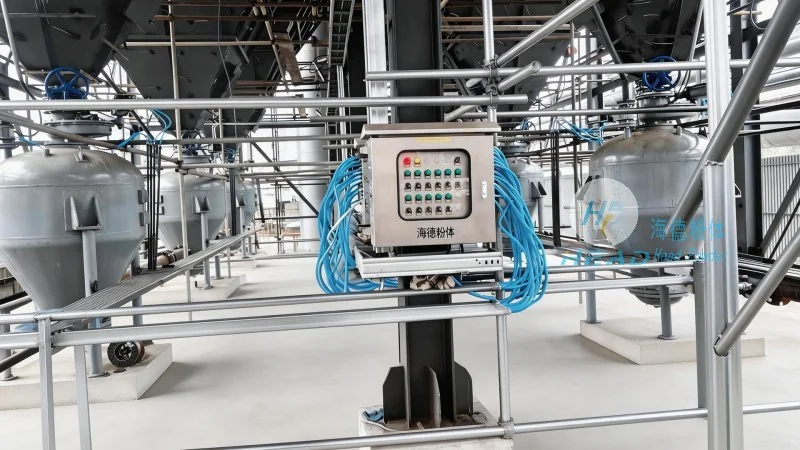
Understanding Sulfur Powder Conveying: Key Considerations
Before delving into specific methods, it’s essential to understand the properties of sulfur powder that influence conveying choices. Sulfur powder is typically fine-grained, with a relatively low bulk density and potential for dust generation. These characteristics require conveying systems that minimize particle degradation, prevent clogging, and ensure safe handling. HeadPowder’s engineers consider factors such as material flowability, dust control, and environmental regulations when designing conveying solutions for clients in China and beyond.
1. Air-Pneumatic Conveying Systems
Air-pneumatic conveying, also known as pneumatic conveying, is one of the most common methods for sulfur powder transport. This technology uses compressed air to move material through a pipeline. There are two main types: pressure and vacuum systems. Pressure systems push material from a hopper or silo using high-pressure air, while vacuum systems draw material from a source using low-pressure air. HeadPowder specializes in customizing these systems to handle sulfur powder, ensuring efficient transport with minimal dust and clogging. For example, their pressure conveying systems can handle high volumes of sulfur powder at speeds up to 20 meters per second, making them ideal for long-distance transport in industrial settings.
2. Screw Conveyors
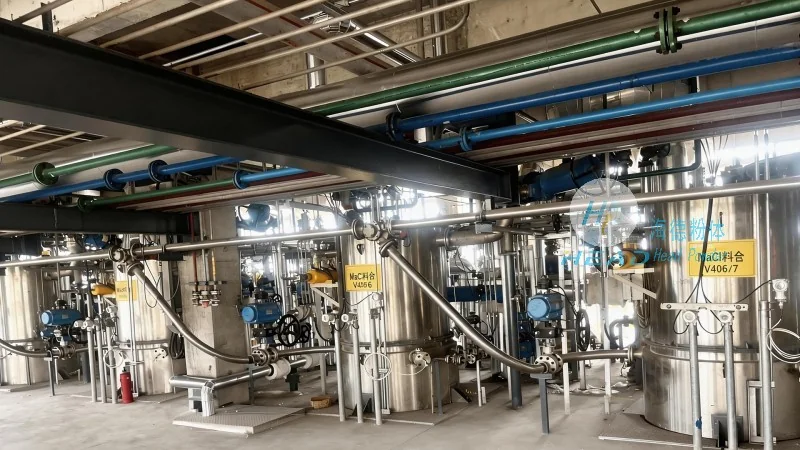
Screw conveyors, or auger conveyors, are another effective method for sulfur powder transport. These systems use a rotating screw (auger) to move material along a trough. Screw conveyors are particularly suitable for horizontal or slight incline transport and are known for their simplicity and reliability. HeadPowder’s screw conveyors are designed with corrosion-resistant materials to withstand the chemical properties of sulfur powder, ensuring long service life. They are often used in applications where the powder needs to be elevated or moved over short distances, such as in storage silos or processing plants. The company’s screw conveyors can handle sulfur powder with bulk densities ranging from 800 to 1200 kg/m³, making them versatile for various industrial needs.
3. Belt Conveyors
Belt conveyors are widely used in bulk material handling, including sulfur powder. These systems consist of a continuous belt that moves material from one point to another. Belt conveyors are ideal for long-distance transport and can handle large volumes of material efficiently. HeadPowder’s belt conveyor solutions are designed with heavy-duty belts and robust frames to handle the abrasive nature of sulfur powder. They are commonly used in mining, chemical processing, and other industries where sulfur powder is processed or transported. The company’s belt conveyors can operate at speeds up to 2 meters per second and can transport sulfur powder over distances of up to 100 meters, ensuring reliable and consistent performance.
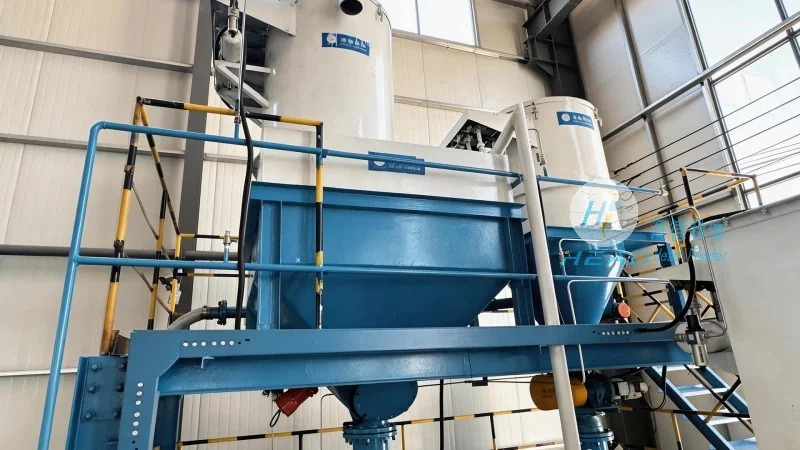
4. Hydraulic Conveying
Hydraulic conveying is a less common but effective method for sulfur powder transport, especially in applications where water is used to transport the material. This method involves pumping a slurry of sulfur powder and water through a pipeline. Hydraulic conveying is often used in mining operations where the material is transported over long distances and through challenging terrain. HeadPowder’s hydraulic conveying systems are designed to handle the specific requirements of sulfur powder, ensuring efficient transport with minimal wear on equipment. While less common than other methods, hydraulic conveying can be a viable option in certain industrial settings, particularly where water is readily available and the material is in a slurry form.
5. Pneumatic Vacuum Lifters
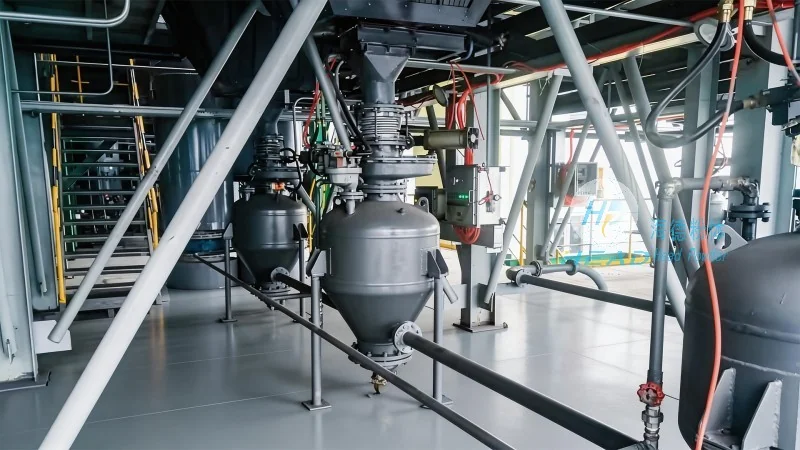
Pneumatic vacuum lifters are a specialized tool for handling and conveying sulfur powder in small quantities. These devices use a vacuum to lift and move material from a source to a destination. Pneumatic vacuum lifters are ideal for applications where manual handling is impractical or unsafe, such as in hazardous environments. HeadPowder offers a range of vacuum lifters designed for sulfur powder, with capacities ranging from 0.5 to 5 kilograms per lift. These devices are lightweight, portable, and easy to operate, making them suitable for laboratory or small-scale operations. The company’s vacuum lifters are equipped with dust filters to prevent particle release and ensure safe handling of sulfur powder.
Choosing the Right Conveying Method for Your Needs
When selecting a sulfur powder conveying method, several factors must be considered, including the volume of material to be transported, the distance between the source and destination, the required speed, and the environmental regulations in place. HeadPowder’s team of engineers works closely with clients to assess these factors and recommend the most suitable conveying system. For example, for long-distance transport over 50 meters, pneumatic conveying or belt conveyors may be preferred, while for short-distance or vertical transport, screw conveyors or vacuum lifters may be more appropriate. The company also provides custom solutions, such as combining multiple systems (e.g., a screw conveyor feeding a pneumatic line), to meet the unique needs of each client.

 Công ty TNHH Kỹ thuật Công trình Bột Hải Đức Sơn Đông
 156-6277-7102(Quản lý Trương)
  0531-83386006
  Quận Chương Khâu, Thành phố Tế Nam, Tỉnh Sơn Đông, Trung Quốc
Điện thoại
WeChatTư vấn
Lên đầu