Công ty Hải Đức Bột với hơn 10 năm kinh nghiệm vận chuyển khí, cung cấp hệ thống‑thiết bị‑quạt gió và nhận dự án tổng thầu bột cả nước
Ferric sulfate, also known as ferric sulphate, is a chemical compound widely used in various industrial applications such as water treatment, paper manufacturing, and chemical synthesis. The efficient and safe transportation of ferric sulfate is crucial for maintaining the quality and integrity of the product during transit. In this article, we will explore the different methods and considerations involved in transporting ferric sulfate, with a focus on practical approaches that can be adopted by industries dealing with this chemical.
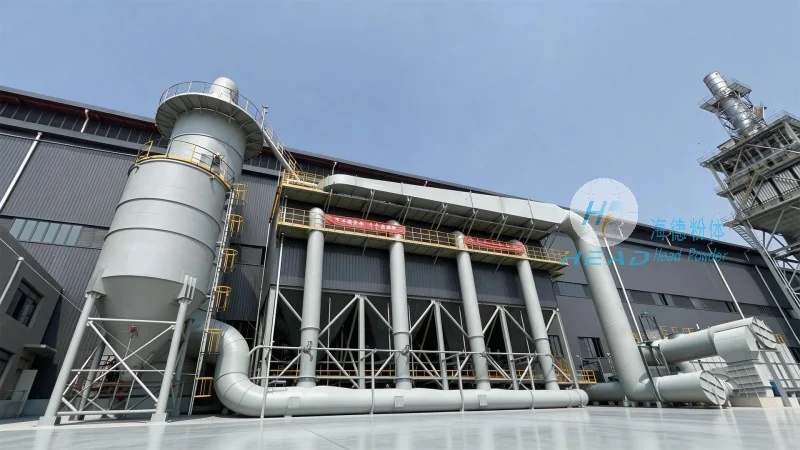
Company Profile: Shandong HeadPowder Engineering Co., Ltd.
HeadPowder, a leading manufacturer and supplier of chemical products, specializes in the production and distribution of ferric sulfate and related compounds. With a strong commitment to quality and customer satisfaction, the company operates from Shandong, China, and serves clients globally. The company's expertise in chemical engineering and logistics ensures that the transportation of ferric sulfate is handled with precision and adherence to industry standards.
Common Transportation Methods for Ferric Sulfate
There are several methods commonly employed for the transportation of ferric sulfate, each with its own advantages and considerations. The choice of method depends on factors such as the quantity of the product, the distance of transportation, and the specific requirements of the end-user. The primary methods include bulk transportation via pipelines, road transport in bulk containers, and packaging for smaller quantities.

Bulk Pipeline Transportation
For large-scale and continuous supply of ferric sulfate, pipeline transportation is a highly efficient method. This approach involves pumping the liquid form of ferric sulfate through dedicated pipelines from the production facility to the end-user or storage facilities. Bulk pipeline transportation minimizes handling and reduces the risk of contamination or spillage, making it ideal for industrial applications where a steady and reliable supply is essential. The system typically includes pumps, valves, and monitoring equipment to ensure smooth operation and maintain the quality of the chemical.
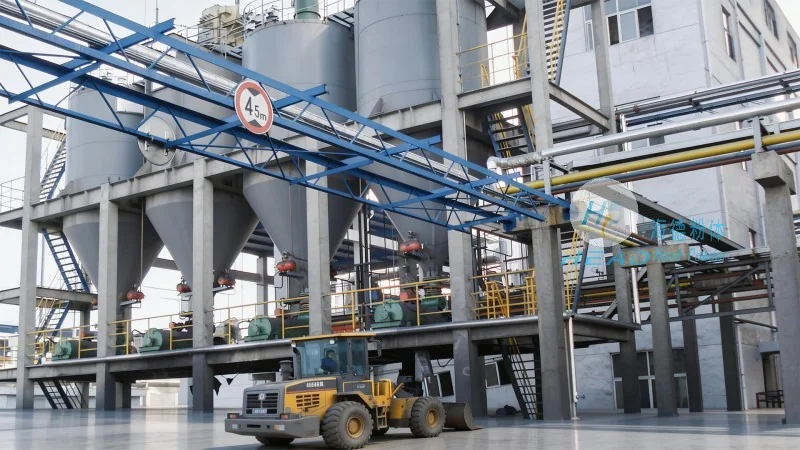
Truck and Road Transport
For medium to smaller quantities, road transport using specialized trucks and bulk containers is a widely used method. These containers are designed to handle the corrosive and potentially hazardous nature of ferric sulfate, ensuring that the product remains intact during transit. The trucks are equipped with proper safety features, such as secure loading mechanisms and spillage containment systems, to comply with environmental and safety regulations. Road transport offers flexibility in terms of delivery schedules and can reach locations that are not accessible by pipelines or rail.
Packaging and Small-Scale Transport
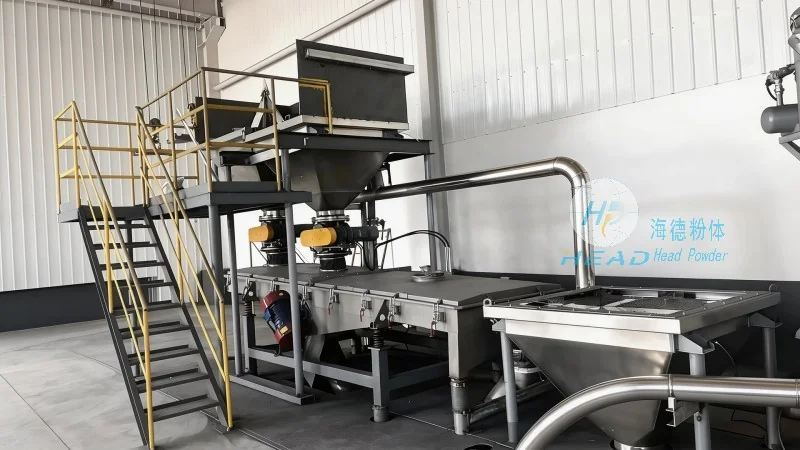
When transporting ferric sulfate in smaller quantities, packaging in drums, tanks, or bags is common. These containers are made from materials resistant to the chemical's properties, such as stainless steel or high-density polyethylene. The packaging is designed to prevent leakage and ensure the product's stability during transport. This method is suitable for applications where the volume of ferric sulfate is limited, such as for laboratory use or small-scale industrial processes. Proper labeling and handling instructions are provided with each package to ensure safe handling by the end-user.
Key Considerations for Safe Transportation
Regardless of the method chosen, several key considerations must be taken into account to ensure the safe and efficient transportation of ferric sulfate. These include proper labeling and hazard communication, adherence to regulatory standards, and the use of appropriate equipment and personnel. The chemical is classified as a hazardous material due to its potential to cause skin and eye irritation, and proper protective equipment must be used by handlers. Additionally, the transportation route must be planned to avoid areas with high population density or sensitive environments to minimize any potential impact.
Conclusion
In conclusion, the transportation of ferric sulfate requires careful planning and the adoption of appropriate methods to ensure the product's quality and safety. Whether through bulk pipelines, road transport, or packaging, each method has its role in meeting the diverse needs of industries. By understanding the characteristics of ferric sulfate and implementing best practices in transportation, companies can ensure a reliable supply chain and maintain the trust of their customers. HeadPowder, with its expertise and commitment to quality, continues to provide effective solutions for the transportation of ferric sulfate to meet the demands of the global market.

 Công ty TNHH Kỹ thuật Công trình Bột Hải Đức Sơn Đông
 156-6277-7102(Quản lý Trương)
  0531-83386006
  Quận Chương Khâu, Thành phố Tế Nam, Tỉnh Sơn Đông, Trung Quốc
Điện thoại
WeChatTư vấn
Lên đầu