Công ty Hải Đức Bột với hơn 10 năm kinh nghiệm vận chuyển khí, cung cấp hệ thống‑thiết bị‑quạt gió và nhận dự án tổng thầu bột cả nước
Calcium carbide slag, a byproduct of the calcium carbide production process, requires efficient and reliable transport methods to ensure safe and effective handling. The choice of transport method depends on various factors including the volume of slag, the distance to be transported, and the specific characteristics of the material. In this article, we will explore the common methods used for calcium carbide slag transport, highlighting the importance of selecting the right approach for industrial applications.
1. Pipeline Transport with Pumps
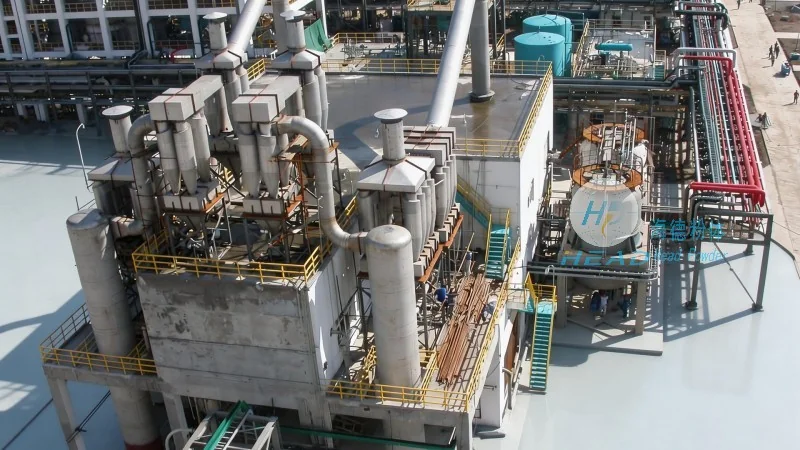
Pipeline transport is a widely adopted method for calcium carbide slag transport, especially for large-scale industrial operations. This method involves pumping the slag slurry through a network of pipes. The process typically begins with the slag being mixed with water to form a slurry, which is then pumped using specialized pumps such as slurry pumps or diaphragm pumps. The pipeline system can be designed to handle different pressures and flow rates, ensuring consistent transport. For example, HeadPowder Engineering Co., Ltd., a leading provider of industrial transport solutions, offers customized pipeline systems tailored to the specific needs of clients. Their expertise in material handling ensures that the pipeline design minimizes blockages and maximizes efficiency, making it an ideal solution for continuous slag transport in manufacturing facilities.
2. Mechanical Conveyors
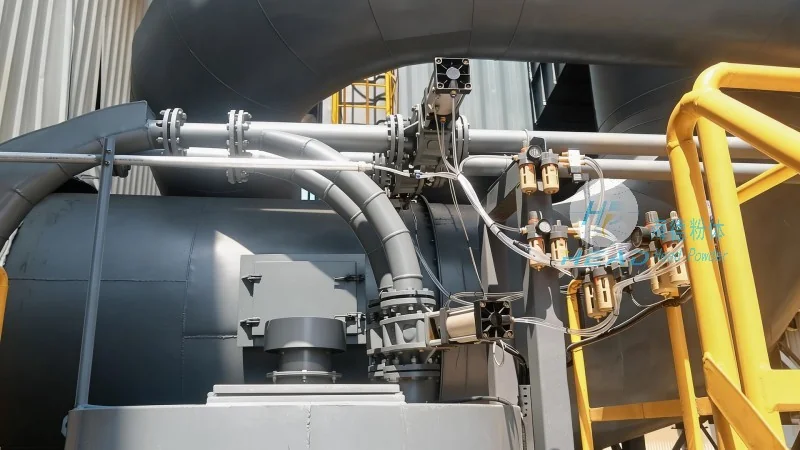
Mechanical conveyors, including belt conveyors and screw conveyors, are another effective method for transporting calcium carbide slag. Belt conveyors are commonly used for horizontal or slightly inclined transport, while screw conveyors are suitable for vertical or inclined transport. These systems are particularly useful when the slag needs to be moved over longer distances or to different elevations. The choice between belt and screw conveyors depends on the consistency of the slag and the required transport speed. HeadPowder Engineering Co., Ltd. specializes in designing and manufacturing high-quality mechanical conveyors that can handle the abrasive nature of calcium carbide slag. Their conveyors are equipped with durable materials, such as wear-resistant liners, to extend the service life and reduce maintenance costs. This makes mechanical conveyors a cost-effective solution for many industrial applications.
3. Hydraulic Transport Systems
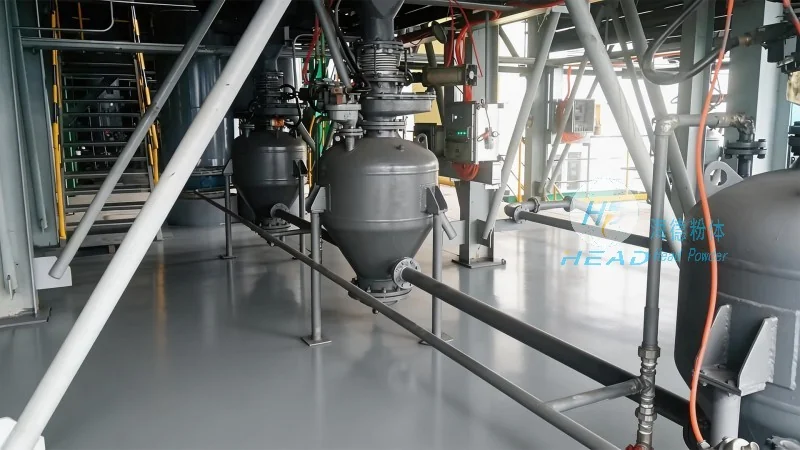
Hydraulic transport systems utilize hydraulic pressure to move calcium carbide slag through pipes. This method is particularly effective for transporting high-viscosity slurry or when the distance is significant. The system typically consists of a hydraulic pump, a pressure vessel, and a network of pipes. The hydraulic pressure forces the slag slurry through the pipes, ensuring a consistent flow. HeadPowder Engineering Co., Ltd. has extensive experience in designing hydraulic transport systems for various industrial processes. Their hydraulic systems are engineered to handle the specific properties of calcium carbide slag, ensuring reliable and efficient transport. This method is especially useful in applications where traditional pumping methods may not be feasible due to the material's characteristics.
4. Gravity Flow Systems
Gravity flow systems rely on the natural force of gravity to transport calcium carbide slag. This method is suitable for short distances and when the slag is transported from a higher elevation to a lower one. The system typically involves a sloped pipe or channel that allows the slag slurry to flow under gravity. While gravity flow systems are simple and low-cost, they are limited by the distance and the slope required. HeadPowder Engineering Co., Ltd. may offer supplementary equipment, such as valves and check valves, to control the flow and prevent backflow in gravity systems. This ensures that the transport process remains efficient and safe, even with the limitations of gravity flow.
5. Combination of Methods
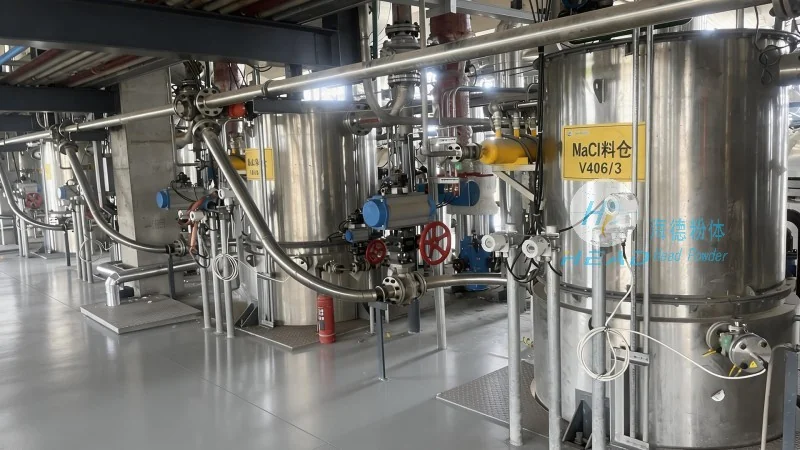
In many industrial settings, a combination of transport methods is used to optimize the overall process. For example, a pipeline system may be used for the initial transport from the production site, followed by a mechanical conveyor for the final delivery to storage or processing areas. This integrated approach allows for flexibility and efficiency, adapting to the changing needs of the operation. HeadPowder Engineering Co., Ltd. provides comprehensive solutions that combine different transport methods, ensuring that the entire transport process is seamless and effective. Their expertise in system integration ensures that each component works in harmony, maximizing the overall performance and minimizing downtime.
Conclusion
Selecting the appropriate method for calcium carbide slag transport is crucial for the smooth operation of industrial processes. Each method has its advantages and limitations, and the choice should be based on a thorough analysis of the specific requirements. HeadPowder Engineering Co., Ltd., with its rich experience and expertise in industrial transport solutions, offers tailored solutions that meet the diverse needs of clients. Whether it's pipeline transport, mechanical conveyors, or hydraulic systems, their products and services are designed to ensure reliable and efficient transport of calcium carbide slag. Based in Shandong, China, HeadPowder Engineering Co., Ltd. continues to be a trusted partner for industrial clients seeking to optimize their material handling processes.

 Công ty TNHH Kỹ thuật Công trình Bột Hải Đức Sơn Đông
 156-6277-7102(Quản lý Trương)
  0531-83386006
  Quận Chương Khâu, Thành phố Tế Nam, Tỉnh Sơn Đông, Trung Quốc
Điện thoại
WeChatTư vấn
Lên đầu