Công ty Hải Đức Bột với hơn 10 năm kinh nghiệm vận chuyển khí, cung cấp hệ thống‑thiết bị‑quạt gió và nhận dự án tổng thầu bột cả nước
Coconut shell powder, a byproduct of coconut processing, is widely used in various industries such as activated carbon production, animal feed, and organic fertilizer. Efficient and reliable conveying of this fine powder is crucial for maintaining production efficiency and product quality. Shandong HeadPowder Engineering Co., Ltd., a leading manufacturer based in China, specializes in providing advanced conveying solutions tailored to the unique characteristics of coconut shell powder. This article explores the primary methods for coconut shell powder conveying, highlighting the advantages and considerations for each approach.
1. Mechanical Conveying Systems
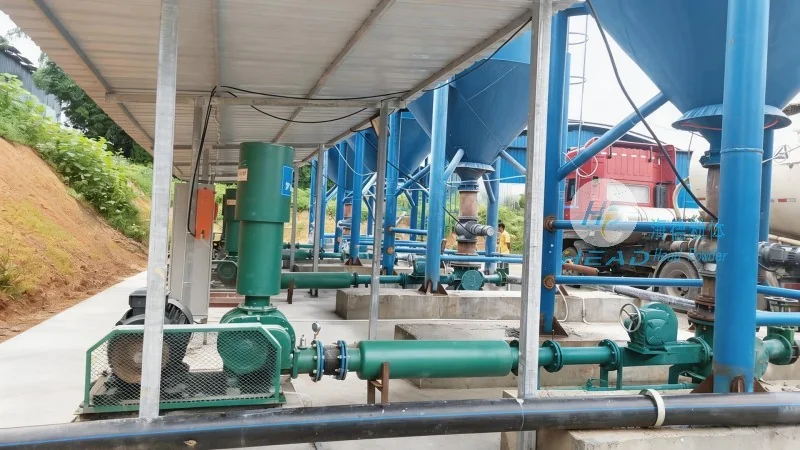
Mechanical conveying systems are among the most common methods for transporting coconut shell powder. These systems utilize mechanical components like belts, screws, and buckets to move the material. One popular option is the belt conveyor, which uses a continuous belt to transport the powder from one location to another. Belt conveyors are ideal for horizontal or slightly inclined applications and can handle large volumes of material with minimal maintenance. Another mechanical solution is the screw conveyor, which operates by rotating a screw within a tube to push the powder forward. Screw conveyors are particularly effective for vertical or inclined transport and can be designed to handle sticky or abrasive materials, which are often characteristics of coconut shell powder.
2. Pneumatic Conveying Systems
Pneumatic conveying systems use air or other gases to transport coconut shell powder through a pipeline. This method is highly flexible and can be used for both short and long-distance transport. There are two main types of pneumatic conveying: pressure and vacuum systems. Pressure systems force air into a container filled with the powder, pushing it through the pipeline. Vacuum systems, on the other hand, create a negative pressure to draw the powder into the system. Pneumatic conveying is especially advantageous for transporting fine powders like coconut shell powder because it minimizes product degradation and contamination. However, it requires careful design to ensure proper air flow and prevent blockages, which can occur with cohesive or moisture-sensitive materials.
3. Hydraulic Conveying Systems
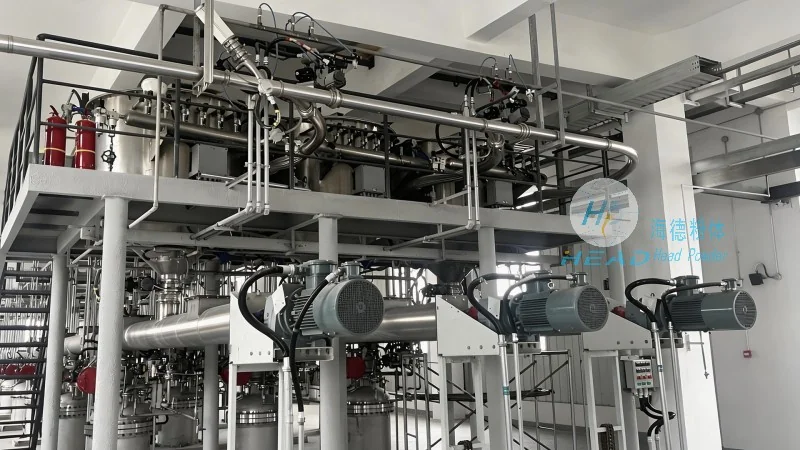
Hydraulic conveying systems utilize water or other liquids to transport coconut shell powder. This method is less common for coconut shell powder but can be effective in certain applications, such as transporting wet or slurry-like materials. The powder is mixed with water to form a slurry, which is then pumped through pipes. Hydraulic systems are capable of handling high volumes and can be used over long distances. However, they require additional equipment for slurry preparation and separation, which can increase operational complexity and costs.
4. Combination Conveying Systems
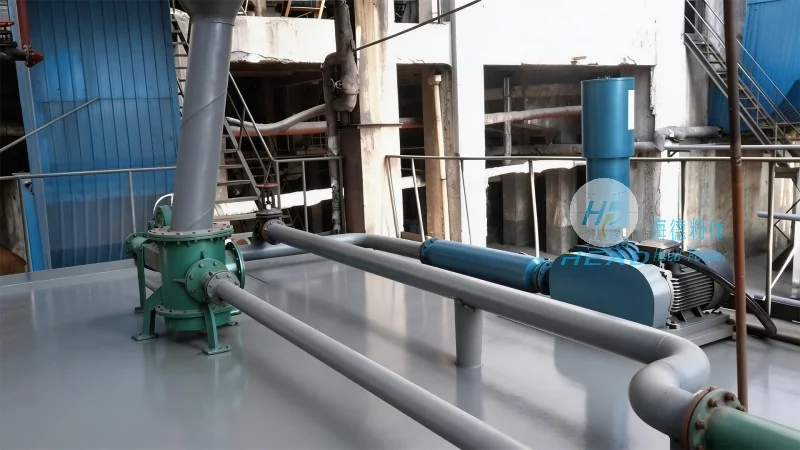
In many industrial settings, a combination of mechanical and pneumatic systems is used to optimize the conveying process. For example, a screw conveyor may be used to feed a pneumatic system, allowing for efficient transport of the powder from a storage silo to a processing unit. This hybrid approach leverages the strengths of each method, such as the high capacity of mechanical systems and the flexibility of pneumatic systems. Shandong HeadPowder Engineering Co., Ltd. offers customized combination systems that can be tailored to the specific needs of a facility, ensuring optimal performance and cost-effectiveness.
5. Considerations for Selecting a Conveying Method
When choosing a conveying method for coconut shell powder, several factors must be considered. The first is the material's physical properties, including particle size, moisture content, and flowability. Coconut shell powder is typically fine and can be cohesive, which affects how it moves through a system. The second factor is the distance and layout of the conveying route. Short horizontal distances may be suitable for belt conveyors, while longer or vertical transport may require pneumatic or screw systems. The third consideration is the required capacity and speed of the system. Production demands may necessitate high-capacity systems, which may require multiple conveyors or larger components. Finally, the cost and maintenance requirements of each system should be evaluated. Mechanical systems are generally lower in cost and easier to maintain, while pneumatic systems may offer greater flexibility but at a higher cost.
6. Conclusion
Efficient conveying of coconut shell powder is essential for maintaining production efficiency and product quality. Shandong HeadPowder Engineering Co., Ltd. provides a range of advanced conveying solutions, including mechanical, pneumatic, and combination systems, tailored to the unique characteristics of coconut shell powder. By carefully evaluating the material properties, transport requirements, and operational constraints, facilities can select the most appropriate conveying method to ensure smooth and reliable operation. Whether using a belt conveyor, pneumatic system, or hybrid approach, the goal is to minimize material loss, prevent contamination, and maintain consistent product quality throughout the conveying process.

 Công ty TNHH Kỹ thuật Công trình Bột Hải Đức Sơn Đông
 156-6277-7102(Quản lý Trương)
  0531-83386006
  Quận Chương Khâu, Thành phố Tế Nam, Tỉnh Sơn Đông, Trung Quốc
Điện thoại
WeChatTư vấn
Lên đầu