Công ty Hải Đức Bột với hơn 10 năm kinh nghiệm vận chuyển khí, cung cấp hệ thống‑thiết bị‑quạt gió và nhận dự án tổng thầu bột cả nước
When it comes to handling and transporting ceramic powders in industrial settings, selecting the right conveying method is crucial for efficiency, material integrity, and operational safety. The choice of method depends on several factors, including the type of ceramic powder, its particle size, moisture content, and the required conveying distance. This article explores the primary methods used for ceramic powder conveyance, providing insights into their applications and benefits.
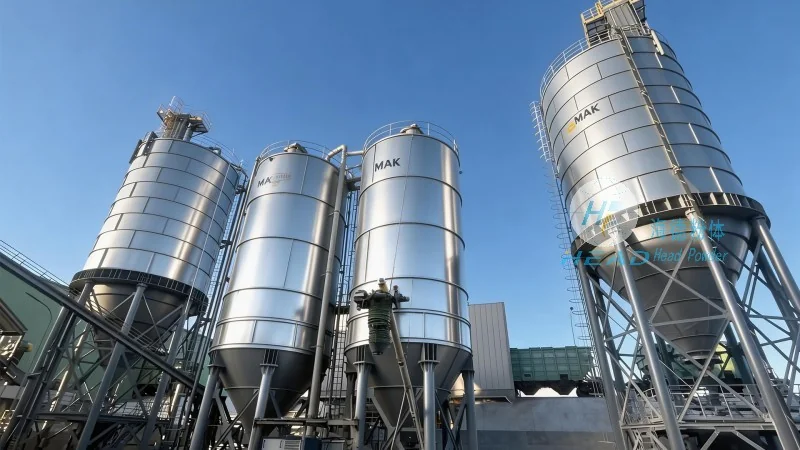
1. Air-Driven Conveying Systems
Air-driven conveying, also known as pneumatic conveying, is a widely used method for transporting ceramic powders. This technique utilizes compressed air or other gases to move the powder through a pipeline. There are two main types: pressure and vacuum systems. Pressure systems push the powder forward using positive pressure, while vacuum systems pull the powder using negative pressure. For ceramic powders, pressure systems are often preferred as they can handle higher material loads and are more suitable for long-distance transport. The key advantage of air-driven systems is their ability to transport powders without direct contact with mechanical components, which helps maintain the purity and quality of the ceramic material. However, they require careful control of air pressure and flow rates to prevent particle degradation or blockages. Companies like Shandong HeadPowder Engineering Co., Ltd. specialize in designing and manufacturing customized pneumatic conveying solutions tailored to specific ceramic powder characteristics.
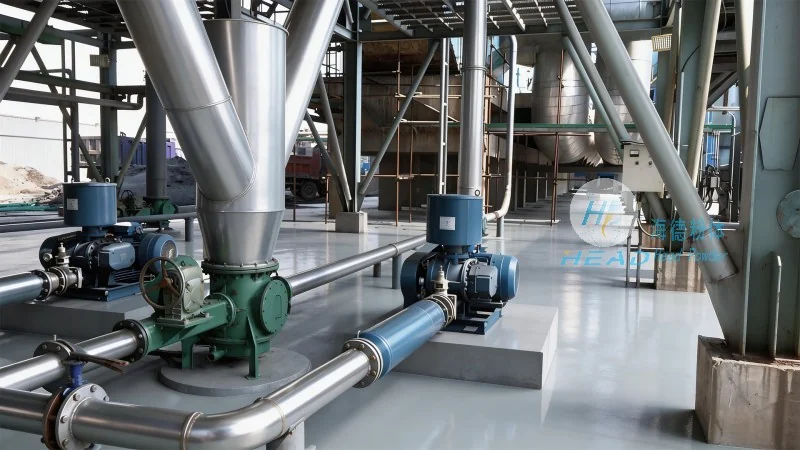
2. Mechanical Conveying Methods
Mechanical conveying systems rely on physical components such as screws, belts, or buckets to move ceramic powders. Screw conveyors, for example, use a rotating screw to push the powder along a trough. These systems are ideal for horizontal or slightly inclined transport and are commonly used in processing plants where the powder needs to be moved within a facility. Belt conveyors, on the other hand, use a continuous belt to transport the powder over longer distances, often in open or enclosed environments. Mechanical conveyors are generally more cost-effective for short to medium distances and can handle a wide range of particle sizes. However, they may cause more wear and tear on the powder particles due to friction and direct contact with the conveying components. Proper maintenance and material selection for the conveyor parts are essential to minimize degradation of the ceramic powder. Shandong HeadPowder Engineering Co., Ltd. offers a range of mechanical conveying equipment designed to meet the specific needs of ceramic powder handling, ensuring reliable and efficient material transport.
3. Hydraulic Conveying Systems
Hydraulic conveying systems use fluid pressure to transport ceramic powders. This method is particularly effective for handling fine powders that are prone to caking or agglomeration. The powder is mixed with a liquid carrier, such as water or a specific solvent, and then pumped through a pipeline. The fluid helps to keep the particles suspended and prevents them from settling or sticking together. Once the powder reaches its destination, the liquid is separated from the powder through a filtration or drying process. Hydraulic systems are known for their high capacity and ability to handle abrasive materials without significant wear. However, they require additional equipment for liquid handling and separation, which can increase operational complexity and costs. The choice of hydraulic system depends on the specific properties of the ceramic powder and the processing requirements of the application. Shandong HeadPowder Engineering Co., Ltd. provides hydraulic conveying solutions that are engineered to handle the unique challenges of ceramic powder transport, ensuring consistent and reliable performance.
4. Vacuum Conveying for Fine Powders
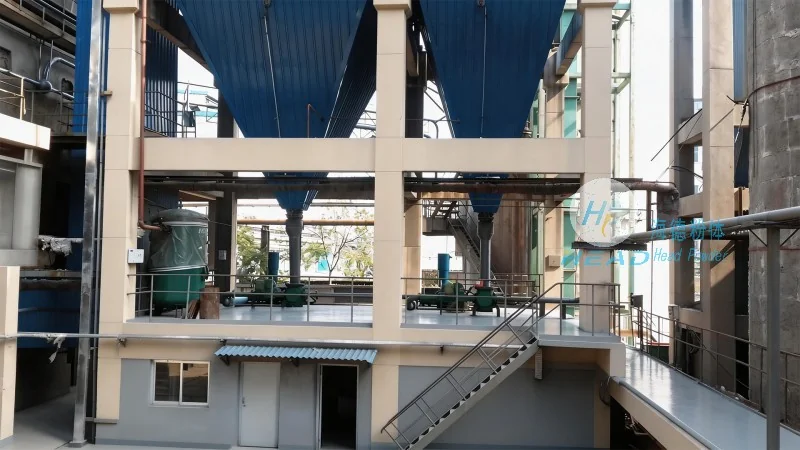
Vacuum conveying is a specialized form of air-driven conveying that is particularly effective for fine and delicate ceramic powders. This method uses a vacuum pump to create a negative pressure that draws the powder into a collection container or transport line. The system typically includes a hopper, a vacuum pump, and a filter to ensure that the powder is transported without contamination. Vacuum conveyors are ideal for handling powders with low bulk density or those that are sensitive to air exposure. They are commonly used in applications where the powder needs to be transferred from a storage silo to a processing unit or from one processing stage to another. The key advantage of vacuum conveying is its ability to maintain the integrity of the powder by minimizing exposure to air and reducing the risk of dust generation. However, it may not be suitable for very coarse or abrasive powders, as the vacuum system can be less effective at moving larger particles. Shandong HeadPowder Engineering Co., Ltd. specializes in vacuum conveying systems that are designed to handle fine ceramic powders with precision, ensuring that the material remains pure and free from contamination throughout the conveying process.
5. Combination Conveying Systems
In many industrial applications, a single conveying method may not be sufficient to meet all the requirements. Combination systems, which integrate multiple technologies, are often used to achieve optimal performance. For example, a system might combine pneumatic conveying for the initial transport of ceramic powder from a storage silo with a mechanical conveyor for the final delivery to a processing machine. This approach allows for flexibility and efficiency, as each component of the system is optimized for its specific task. Combination systems are particularly useful in complex production lines where the powder needs to be moved through multiple stages or over varying distances. They can also help to reduce energy consumption and improve overall material handling efficiency. Shandong HeadPowder Engineering Co., Ltd. offers customized combination conveying solutions that are tailored to the specific needs of each client, ensuring that the system is both effective and cost-efficient.

 Công ty TNHH Kỹ thuật Công trình Bột Hải Đức Sơn Đông
 156-6277-7102(Quản lý Trương)
  0531-83386006
  Quận Chương Khâu, Thành phố Tế Nam, Tỉnh Sơn Đông, Trung Quốc
Điện thoại
WeChatTư vấn
Lên đầu