Công ty Hải Đức Bột với hơn 10 năm kinh nghiệm vận chuyển khí, cung cấp hệ thống‑thiết bị‑quạt gió và nhận dự án tổng thầu bột cả nước
Light calcium powder, also known as precipitated calcium carbonate (PCC), is a widely used industrial material in various sectors such as plastics, paper, and coatings. The efficient and reliable conveying of this fine powder is crucial for maintaining production efficiency and product quality. This article explores the various methods that can be employed for light calcium powder conveying, with a focus on practical applications and technical considerations.
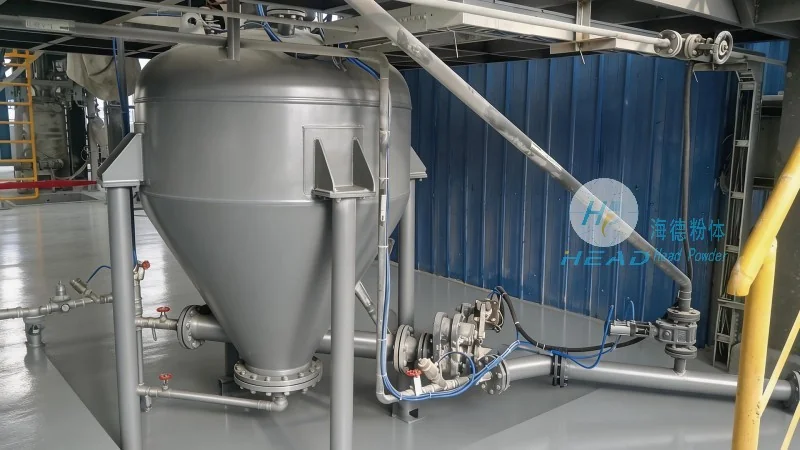
Introduction to Light Calcium Powder Conveying
Light calcium powder is characterized by its fine particle size and low bulk density, which presents unique challenges during material handling. Traditional conveying methods may not be suitable due to the risk of dust accumulation, clogging, or inefficient flow. Therefore, specialized equipment and techniques are essential to ensure smooth and safe operation. The choice of conveying method depends on factors like the powder's properties, production scale, and the distance it needs to be transported. Understanding these options helps in selecting the most appropriate system for specific industrial needs.
Common Conveying Methods for Light Calcium Powder
Several methods are commonly used for light calcium powder conveying, each with its own advantages and limitations. The selection of a method should consider the powder's flowability, moisture content, and the required conveying capacity. Here are some of the most effective approaches:
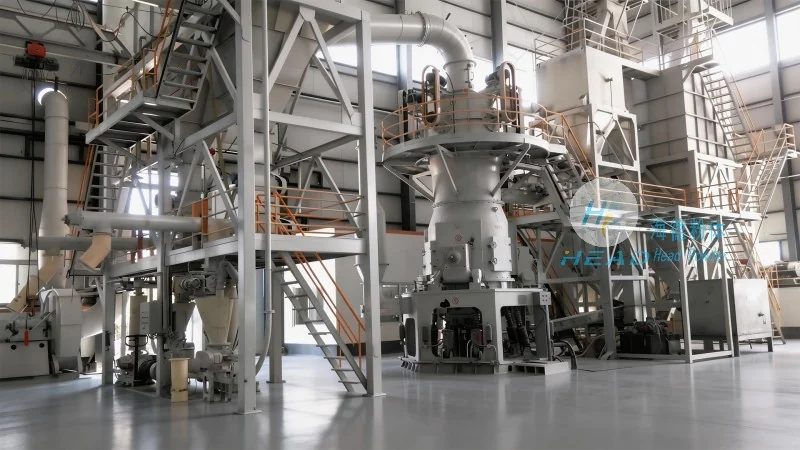
Air-Pressure Conveying (Pneumatic Conveying)
Air-pressure conveying, or pneumatic conveying, is one of the most popular methods for light calcium powder. This technique uses compressed air to transport the powder through a pipeline. There are two main types: pressure and vacuum systems. In pressure systems, air is introduced at the discharge end, pushing the powder forward. Vacuum systems, on the other hand, draw the powder from the source using a vacuum at the receiving end. Pneumatic conveying is ideal for long-distance transport and can handle both dilute and dense phase flows. It is particularly effective for preventing dust dispersion and maintaining product purity. However, it requires careful control of air pressure and flow rates to avoid material degradation or equipment wear.
Screw Conveyors
Screw conveyors are another common solution for light calcium powder conveying. These devices consist of a rotating screw inside a tube, which moves the powder along the length of the conveyor. Screw conveyors are suitable for horizontal or slight incline applications and can handle moderate to high capacities. They are relatively simple in design and easy to install, making them a cost-effective option for many industrial settings. However, they may experience clogging issues with fine powders, especially if the screw speed is too low or the powder has high moisture content. Proper maintenance and regular cleaning are necessary to ensure continuous operation.
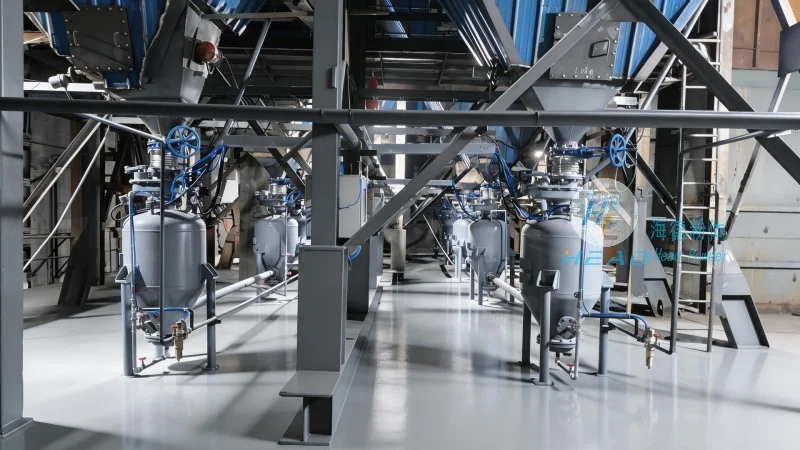
Belt Conveyors
Belt conveyors are widely used in bulk material handling, including light calcium powder. These systems use a continuous belt to transport the powder from the source to the destination. Belt conveyors are suitable for both horizontal and inclined transport and can handle large volumes of material. They are particularly effective for long-distance conveying and can be integrated with other equipment such as hoppers and feeders. Belt conveyors are known for their high efficiency and low maintenance requirements. However, they may not be suitable for very fine powders due to the risk of dust accumulation on the belt surface. Proper sealing and cleaning mechanisms are essential to maintain performance.
Hydraulic Conveying
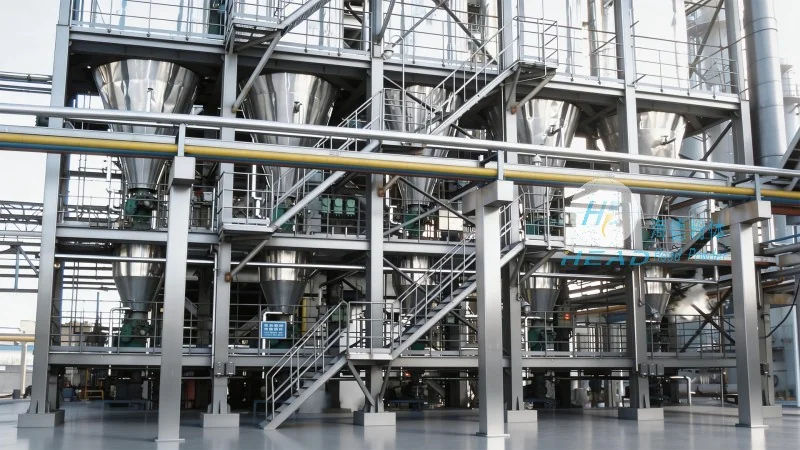
Hydraulic conveying is a less common but effective method for light calcium powder, especially in applications where other methods are not feasible. This technique uses a liquid medium, typically water or a slurry, to transport the powder. The powder is mixed with the liquid to form a slurry, which is then pumped through a pipeline. Hydraulic conveying is suitable for long-distance transport and can handle high capacities. However, it requires additional equipment for slurry preparation and separation, which increases the overall system complexity and cost. It is also less effective for fine powders with low flowability.
Selection Criteria for Conveying Systems
When choosing a conveying method for light calcium powder, several factors must be considered to ensure optimal performance and cost-effectiveness. The key criteria include the powder's particle size, moisture content, and flowability. Additionally, the required conveying capacity, distance, and environmental regulations should be taken into account. For example, pneumatic conveying is preferred for fine powders with high moisture content, while screw conveyors are suitable for bulk handling in horizontal applications. The choice of equipment also depends on the specific industrial process and the need for dust control. Companies like Shandong HeadPowder Engineering Co., Ltd. specialize in designing and manufacturing customized conveying systems that meet these diverse requirements, ensuring efficient and reliable light calcium powder handling.
Conclusion
In conclusion, the efficient conveying of light calcium powder is essential for maintaining production efficiency and product quality in various industries. The selection of an appropriate conveying method depends on several factors, including the powder's properties, production scale, and the required transport distance. Air-pressure conveying, screw conveyors, belt conveyors, and hydraulic conveying are all viable options, each with its own advantages and limitations. By carefully evaluating these factors and consulting with experts like Shandong HeadPowder Engineering Co., Ltd., industries can choose the most suitable system to ensure smooth and safe light calcium powder handling. This approach not only improves operational efficiency but also enhances product purity and reduces the risk of material loss or contamination.

 Công ty TNHH Kỹ thuật Công trình Bột Hải Đức Sơn Đông
 156-6277-7102(Quản lý Trương)
  0531-83386006
  Quận Chương Khâu, Thành phố Tế Nam, Tỉnh Sơn Đông, Trung Quốc
Điện thoại
WeChatTư vấn
Lên đầu