Công ty Hải Đức Bột với hơn 10 năm kinh nghiệm vận chuyển khí, cung cấp hệ thống‑thiết bị‑quạt gió và nhận dự án tổng thầu bột cả nước
Calcium carbide slag, also known as calcium carbide residue, is a byproduct generated during the production of calcium carbide. This material is often encountered in industrial settings and requires efficient and safe transportation methods to ensure proper handling and disposal. The choice of transport method depends on various factors including the volume of slag, the distance to be covered, and the specific requirements of the application. This article explores the common methods used for transporting calcium carbide slag, providing insights into each approach and its suitability for different scenarios.
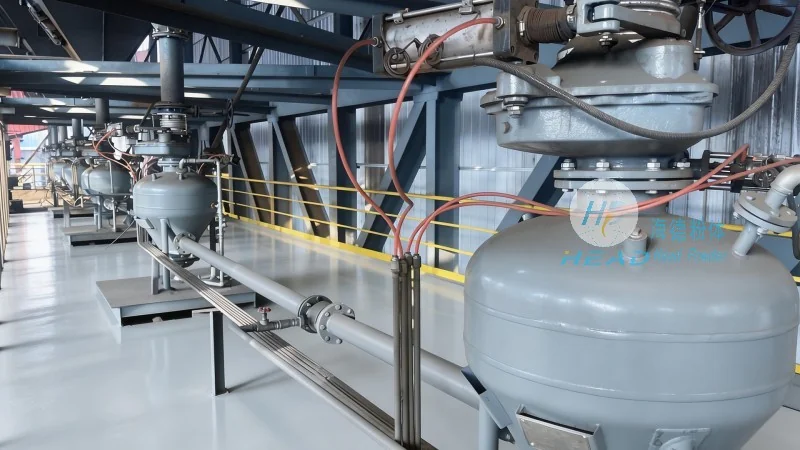
1. Pneumatic Conveying Systems
Pneumatic conveying is a widely used method for transporting calcium carbide slag, especially in applications where the material needs to be moved over short to medium distances. This system utilizes air pressure to move the slag through a pipeline. There are two main types of pneumatic conveying: pressure and vacuum systems. Pressure systems use compressed air to push the material forward, while vacuum systems use a vacuum to pull the material through the pipeline. Pneumatic conveying is particularly effective for handling fine or powdery slag, as it can transport the material without the need for mechanical components that might cause wear or blockages. The system typically consists of a hopper, a conveyor line, and a receiver. The slag is first loaded into the hopper, then air is introduced to move the material through the pipeline to the receiver. This method is known for its ability to handle abrasive materials like calcium carbide slag, as the air flow helps to prevent clogging and reduces wear on the equipment. However, it is important to note that pneumatic conveying systems require proper maintenance to ensure consistent performance and to prevent air leaks that could affect the efficiency of the transport.
2. Belt Conveyors
Belt conveyors are another common method for transporting calcium carbide slag, particularly in situations where the material needs to be moved over longer distances or in bulk quantities. This system uses a continuous belt to carry the slag from one location to another. The belt is typically made of durable materials such as rubber or PVC, which can withstand the abrasive nature of the slag. The conveyor system consists of a drive unit, a belt, and a series of rollers or idlers that support the belt. The slag is loaded onto the belt at the inlet, and the belt moves the material to the outlet. Belt conveyors are highly efficient and can handle large volumes of slag with minimal maintenance. They are also suitable for transporting slag in various forms, including wet or dry conditions. However, the main drawback of belt conveyors is that they require a relatively flat surface and a straight path, which may not be feasible in all industrial settings. Additionally, the belt and rollers may need to be replaced or repaired periodically due to the abrasive nature of the slag, which can cause wear and tear over time.
3. Screw Conveyors
Screw conveyors, also known as auger conveyors, are a type of mechanical conveyor that uses a rotating screw to move calcium carbide slag. This system is particularly effective for transporting materials in a vertical or inclined direction, as well as in horizontal paths. The screw conveyor consists of a rotating screw inside a housing, which is designed to move the material forward as the screw rotates. The housing is typically made of metal or plastic, depending on the material being conveyed. The screw is driven by a motor, which rotates the screw and moves the slag through the housing. Screw conveyors are suitable for handling a wide range of materials, including powders, granules, and bulk solids like calcium carbide slag. They are known for their simplicity and reliability, as they have few moving parts and require minimal maintenance. However, screw conveyors are not suitable for very fine or abrasive materials, as the screw and housing may experience excessive wear and tear. Additionally, the system may not be as efficient for transporting large volumes of slag compared to other methods, as the capacity is limited by the size of the screw and the housing.
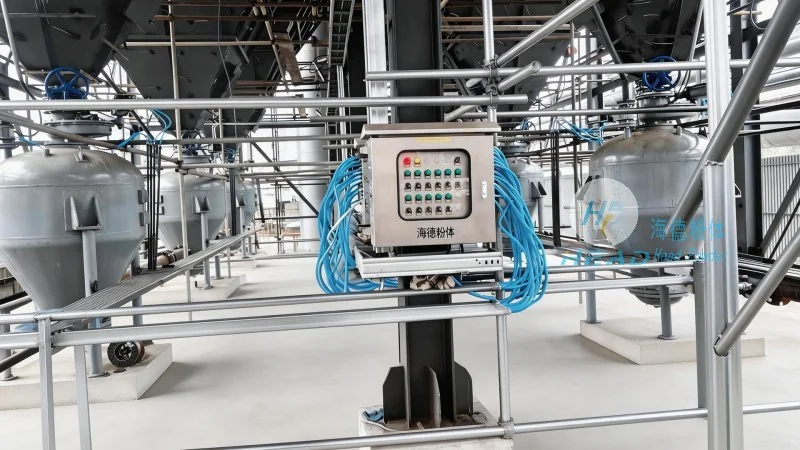
4. Hydraulic Conveying
Hydraulic conveying is a method that uses water or a slurry to transport calcium carbide slag. This system is particularly effective for transporting wet or slurry-form slag, as it can handle materials that are difficult to move using other methods. The hydraulic system consists of a pump, a pipeline, and a receiver. The slag is mixed with water to form a slurry, which is then pumped through the pipeline to the receiver. The slurry is then separated from the water in the receiver, and the water is recycled back to the pump. Hydraulic conveying is known for its ability to handle high volumes of slag and to transport materials over long distances. However, it requires a significant amount of water and energy to operate, which can increase the cost of the transport. Additionally, the system may not be suitable for transporting dry slag, as the water may cause the material to clump or clog the pipeline.
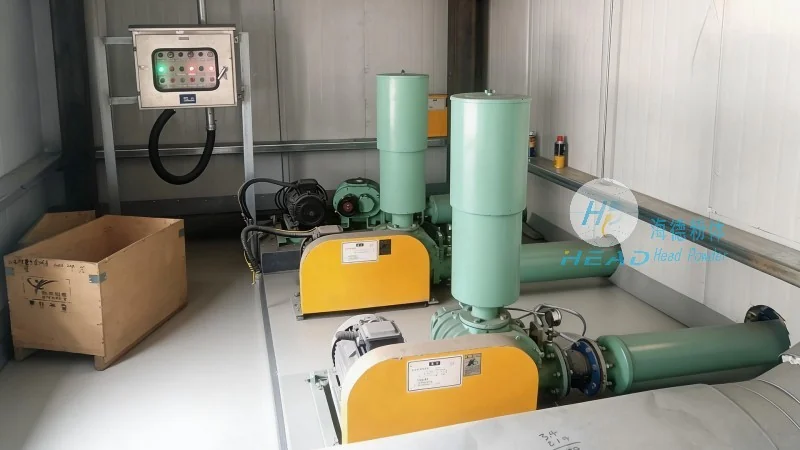
5. Truck and Rail Transport
For long-distance transportation of calcium carbide slag, truck and rail transport are common methods. Trucks are used for transporting smaller quantities of slag over short to medium distances, while rail transport is used for larger quantities over longer distances. The choice of transport method depends on the distance to be covered and the volume of slag to be transported. Truck transport involves loading the slag into trucks and driving them to the destination. The trucks are typically equipped with special containers or trailers to prevent the slag from spilling or leaking during transport. Rail transport involves loading the slag into railcars, which are then transported by trains to the destination. Rail transport is more efficient for large volumes of slag and can cover longer distances at a lower cost per unit. However, it requires a railway infrastructure and may not be feasible in all locations. Additionally, the railcars need to be designed to handle the abrasive nature of the slag to prevent damage to the equipment.
6. Factors to Consider When Choosing a Transport Method
When selecting a transport method for calcium carbide slag, several factors need to be considered to ensure the most efficient and cost-effective solution. The first factor is the volume of slag to be transported. For small volumes, pneumatic conveying or truck transport may be suitable, while for large volumes, belt conveyors or rail transport may be more appropriate. The second factor is the distance to be covered. Short distances may be handled by pneumatic or screw conveyors, while long distances may require truck or rail transport. The third factor is the specific requirements of the application. For example, if the slag needs to be transported in a wet or slurry form, hydraulic conveying may be the best option. The fourth factor is the cost of the transport method. Each method has different operating costs, and the choice should be based on the budget available. The fifth factor is the maintenance requirements of the system. Some methods, such as pneumatic conveying, require regular maintenance to ensure consistent performance, while others, such as belt conveyors, may require more frequent repairs due to wear and tear.
Conclusion
In conclusion, there are several methods available for transporting calcium carbide slag, each with its own advantages and disadvantages. The choice of method depends on various factors including the volume of slag, the distance to be covered, and the specific requirements of the application. Pneumatic conveying is suitable for short to medium distances and fine slag, while belt conveyors are effective for long distances and bulk quantities. Screw conveyors are ideal for vertical or inclined transport, and hydraulic conveying is suitable for wet or slurry-form slag. Truck and rail transport are used for long-distance transportation of large volumes of slag. It is important to consider all these factors when selecting a transport method to ensure the most efficient and cost-effective solution. By choosing the right transport method, industrial facilities can ensure the safe and proper handling of calcium carbide slag, reducing the risk of accidents and environmental pollution.

 Công ty TNHH Kỹ thuật Công trình Bột Hải Đức Sơn Đông
 156-6277-7102(Quản lý Trương)
  0531-83386006
  Quận Chương Khâu, Thành phố Tế Nam, Tỉnh Sơn Đông, Trung Quốc
Điện thoại
WeChatTư vấn
Lên đầu