Công ty Hải Đức Bột với hơn 10 năm kinh nghiệm vận chuyển khí, cung cấp hệ thống‑thiết bị‑quạt gió và nhận dự án tổng thầu bột cả nước
High-temperature ash, commonly generated from industrial processes such as power generation and metallurgy, requires specialized transportation methods to ensure safety, efficiency, and environmental compliance. The proper selection of transportation systems is critical for minimizing operational risks and optimizing the overall performance of industrial facilities. This article explores the primary methods used for high-temperature ash transportation, detailing their applications, advantages, and considerations.
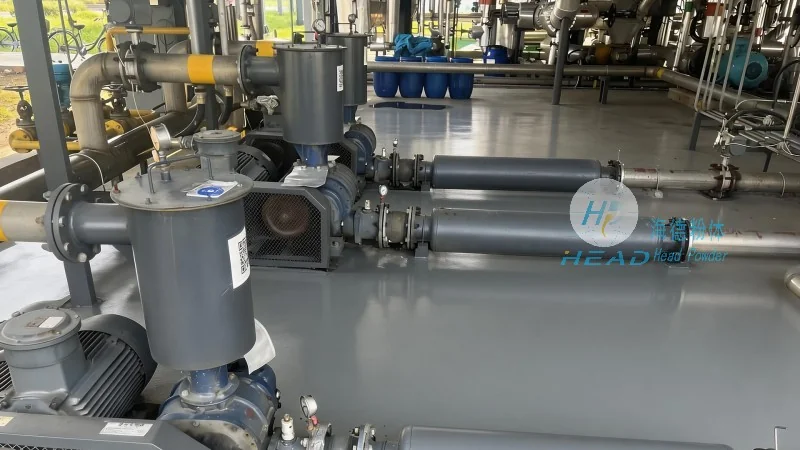
Key Challenges in High-Temperature Ash Transportation
Before discussing the transportation methods, it is essential to understand the challenges associated with handling high-temperature ash. These challenges include thermal stress on equipment, the risk of dust emissions, and the need for materials that can withstand high temperatures and corrosive conditions. Effective transportation solutions must address these issues to prevent equipment failure, ensure worker safety, and maintain environmental standards. Companies like Shandong HeadPowder Engineering Co., Ltd., based in Shandong, China, specialize in developing tailored solutions for such industrial needs.
Pipeline Transportation Systems
One of the most common methods for high-temperature ash transportation is pipeline systems. These systems utilize insulated pipelines to transport ash from the source to the disposal or processing site. The pipelines are typically made of high-temperature-resistant materials, such as stainless steel or specialized alloys, to withstand the extreme temperatures and chemical exposure. Insulation layers are applied to the exterior of the pipelines to maintain the temperature of the ash and prevent heat loss. The pipeline system can be either a closed loop or a direct line, depending on the layout of the industrial facility. The advantages of pipeline transportation include continuous operation, reduced labor costs, and lower environmental impact compared to other methods. However, it requires significant initial investment and regular maintenance to ensure the integrity of the pipelines and prevent leaks.
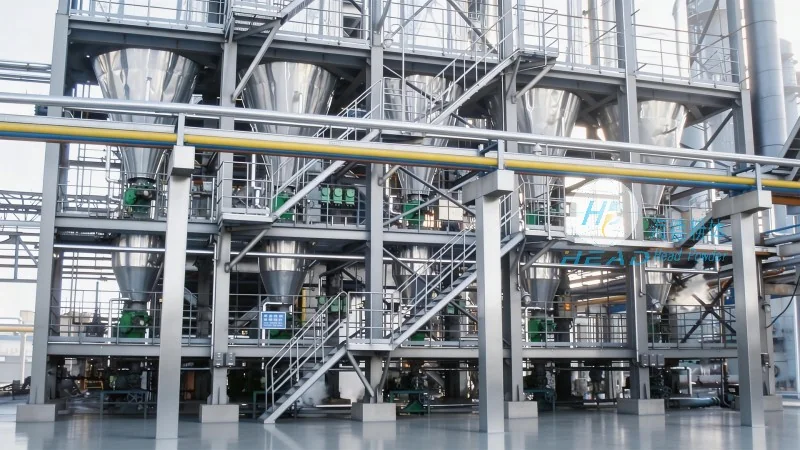
Air-Powered (Pneumatic) Conveying Systems
Another widely used method is air-powered or pneumatic conveying systems. These systems use compressed air to transport ash particles through a pipeline. The ash is typically mixed with a small amount of air or a carrier gas, which helps to suspend the particles and move them through the system. Pneumatic conveying systems are particularly effective for transporting ash over longer distances or in complex layouts, as they can navigate through multiple turns and changes in elevation. There are two main types of pneumatic conveying: positive displacement and negative pressure. Positive displacement systems use a pump to force air and ash through the pipeline, while negative pressure systems create a vacuum to draw the ash into the system. The choice between these types depends on the distance, particle size, and material properties of the ash. Air-powered systems offer flexibility and can handle a wide range of ash compositions, but they require careful control of air pressure and flow to maintain efficiency and prevent blockages.
Mechanical Conveying Systems
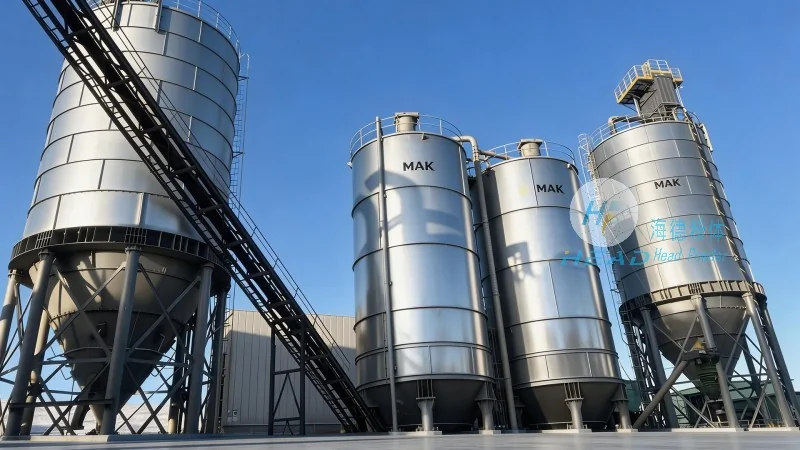
Mechanical conveying systems, such as belt conveyors and screw conveyors, are also used for high-temperature ash transportation. Belt conveyors are commonly employed for transporting ash over short to medium distances, where the ash is moved in a continuous flow. The belts are made of heat-resistant materials, such as rubber or synthetic fabrics, and are supported by rollers to reduce friction and wear. Screw conveyors, on the other hand, use a rotating screw to push the ash through a tube. These systems are suitable for transporting ash with a higher moisture content or in environments where air pollution control is a priority. Mechanical systems are generally more cost-effective than pneumatic systems and require less maintenance, but they have limitations in terms of distance and the ability to handle fine particles. They are often used in conjunction with other systems to form a comprehensive transportation network.
Hybrid Transportation Systems
In some cases, a combination of the above methods is used to form hybrid transportation systems. For example, a pipeline system may be used to transport ash from the source to a central location, where it is then transferred to a pneumatic system for further transport. This approach allows for the utilization of the strengths of each method while mitigating their weaknesses. Hybrid systems are particularly useful in large industrial complexes where different processes generate ash with varying characteristics. They provide flexibility and adaptability, ensuring that the transportation system can meet the changing needs of the facility. Companies like Shandong HeadPowder Engineering Co., Ltd. offer customized hybrid solutions tailored to the specific requirements of their clients, ensuring optimal performance and reliability.
Factors to Consider When Choosing a Transportation Method
When selecting a high-temperature ash transportation method, several factors must be considered. The first is the distance and layout of the industrial facility, as this determines the feasibility of different systems. The second is the characteristics of the ash, including its particle size, moisture content, and chemical composition, as these affect the choice of equipment and materials. The third is the environmental regulations and safety standards that must be met, as these can influence the design and operation of the transportation system. Additionally, the cost of installation, operation, and maintenance must be evaluated to ensure that the chosen method is economically viable. A thorough analysis of these factors, combined with expert consultation from companies like Shandong HeadPowder Engineering Co., Ltd., can help in making an informed decision that maximizes efficiency and minimizes risks.

 Công ty TNHH Kỹ thuật Công trình Bột Hải Đức Sơn Đông
 156-6277-7102(Quản lý Trương)
  0531-83386006
  Quận Chương Khâu, Thành phố Tế Nam, Tỉnh Sơn Đông, Trung Quốc
Điện thoại
WeChatTư vấn
Lên đầu