Công ty Hải Đức Bột với hơn 10 năm kinh nghiệm vận chuyển khí, cung cấp hệ thống‑thiết bị‑quạt gió và nhận dự án tổng thầu bột cả nước
Pneumatic conveying systems for carbon powders are critical in industrial applications, ensuring efficient material transport while maintaining product quality and safety. Designing a well-structured system requires careful consideration of multiple factors to achieve optimal performance and reliability.
Key Considerations for System Design
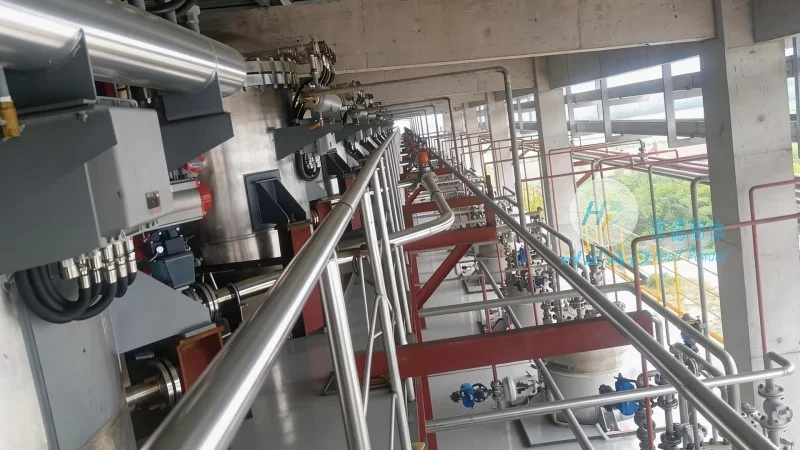
When designing a carbon powder pneumatic conveying system, several key considerations must be addressed. First, the type of carbon powder—such as graphite, carbon black, or activated carbon—affects the system's design. For instance, fine powders may require higher air velocities and specialized separation equipment to prevent clogging. The system's capacity and the distance over which material needs to be conveyed are also critical parameters. These factors influence the selection of the conveying method (e.g., dilute phase or dense phase), the size and type of air compressor, and the configuration of the pipeline network.
Material Handling and Equipment Selection
The choice of equipment is central to system performance. Air compressors, typically centrifugal or positive displacement types, must be selected based on the required air volume and pressure. For carbon powders, which can be abrasive, the pipeline material (e.g., stainless steel, PVC, or special alloys) is crucial to prevent wear and contamination. Separation equipment, such as cyclones or bag filters, is essential to remove dust from the air stream, ensuring compliance with environmental regulations and protecting downstream equipment. Additionally, the system's control system, including sensors for pressure, flow, and level, must be integrated to monitor and adjust operation in real time.
System Layout and Installation
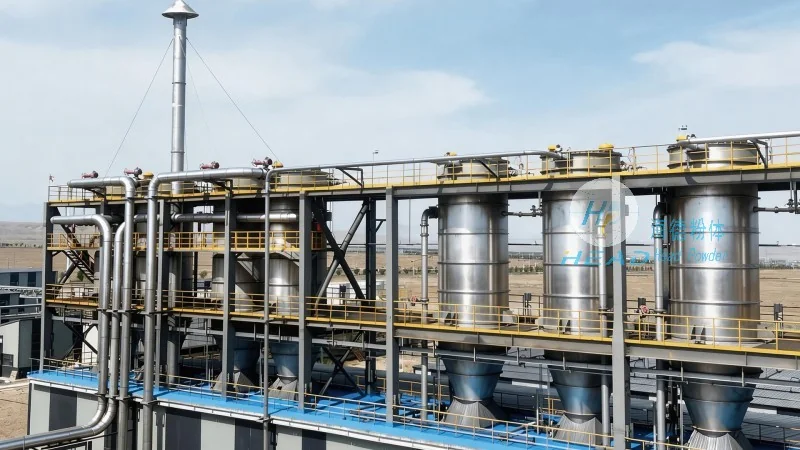
Proper layout of the conveying system minimizes energy consumption and operational issues. The pipeline should be designed with gradual slopes to facilitate material flow and prevent stagnation. Vertical and horizontal sections must be optimized to balance air velocity and pressure drop. For long-distance conveying, intermediate separation or recycling stations may be necessary to maintain system efficiency. Installation must also consider the physical environment, including space constraints and access for maintenance, ensuring the system is both functional and easy to service.
Control and Monitoring Systems
Advanced control systems enhance the reliability and efficiency of carbon powder pneumatic conveying systems. Sensors and controllers monitor key parameters like air pressure, material flow rate, and filter pressure, triggering alerts or automatic adjustments when deviations occur. This proactive approach reduces downtime and prevents equipment damage. For example, if the filter pressure rises, the system can automatically initiate cleaning cycles or adjust air flow to maintain optimal performance. Such intelligent controls are particularly valuable in continuous production environments, where system uptime is critical.
Maintenance and Long-Term Performance
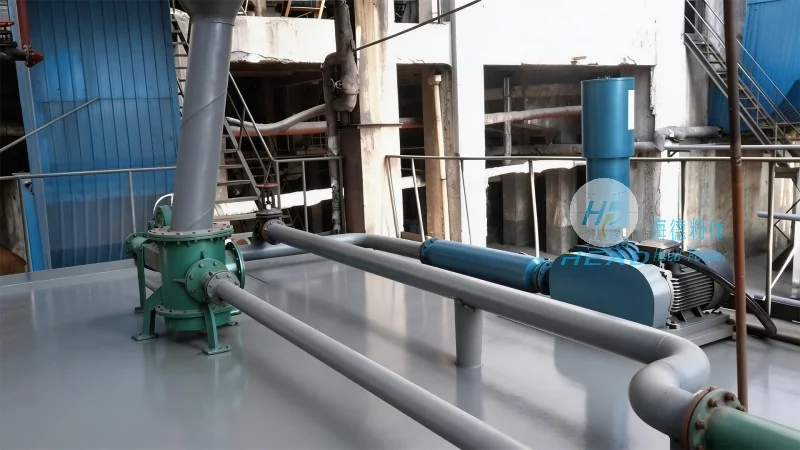
Regular maintenance is essential to preserve the performance and lifespan of a carbon powder pneumatic conveying system. This includes inspecting and cleaning pipelines, replacing worn components (e.g., seals, filters), and checking compressor performance. For abrasive carbon powders, more frequent maintenance may be required to prevent excessive wear on equipment. Implementing a preventive maintenance schedule, based on system usage and manufacturer recommendations, helps identify issues early and extends the system's operational life. Additionally, training operators on proper system operation and emergency procedures ensures safe and efficient long-term use.
Case Study: HeadPowder's Custom Design Solution
Shandong HeadPowder Engineering Co., Ltd., a leading provider of pneumatic conveying solutions, specializes in designing customized systems tailored to specific carbon powder applications. With years of experience in the industry, HeadPowder's engineers work closely with clients to understand their unique requirements, from material characteristics to operational constraints. For example, a client requiring the transport of fine carbon black over a 500-meter distance was provided with a dilute phase system featuring a high-efficiency cyclone separator and a variable-speed air compressor. The system was optimized to minimize energy consumption while maintaining consistent material flow, resulting in significant cost savings and improved product quality. This case demonstrates HeadPowder's commitment to delivering reliable, efficient, and tailored solutions for carbon powder handling.
Conclusion
Designing a reasonable carbon powder pneumatic conveying system involves a comprehensive approach that balances technical requirements, operational efficiency, and long-term maintenance. By considering factors such as material properties, system capacity, and environmental regulations, engineers can create systems that meet the specific needs of industrial applications. Companies like Shandong HeadPowder Engineering Co., Ltd. play a vital role in this process, providing expert design, equipment, and support to ensure successful implementation and sustained performance. With proper planning and execution, carbon powder pneumatic conveying systems can deliver reliable, efficient material transport, supporting the productivity and success of industrial operations.

 Công ty TNHH Kỹ thuật Công trình Bột Hải Đức Sơn Đông
 156-6277-7102(Quản lý Trương)
  0531-83386006
  Quận Chương Khâu, Thành phố Tế Nam, Tỉnh Sơn Đông, Trung Quốc
Điện thoại
WeChatTư vấn
Lên đầu