Công ty Hải Đức Bột với hơn 10 năm kinh nghiệm vận chuyển khí, cung cấp hệ thống‑thiết bị‑quạt gió và nhận dự án tổng thầu bột cả nước
When it comes to the efficient and reliable transportation of synthetic fibers, pneumatic conveying systems have emerged as a preferred solution in various industrial applications. These systems offer advantages such as reduced material handling costs, improved safety, and enhanced process control. However, designing a system that meets specific operational requirements and ensures optimal performance requires careful consideration of several key factors. This article provides insights into the essential steps and considerations for designing a reasonable synthetic fiber pneumatic conveying system, with a focus on practical implementation and long-term effectiveness.
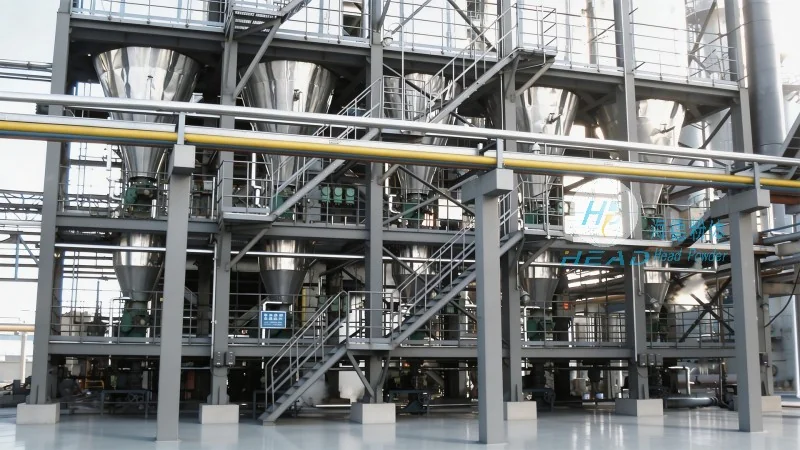
Understanding the Core Components of Synthetic Fiber Pneumatic Conveying Systems
At the heart of any synthetic fiber pneumatic conveying system lies a combination of components that work in harmony to achieve seamless material transport. The primary components typically include a material feed hopper, a conveying line (usually made of stainless steel or specialized synthetic fiber-resistant materials), a blower or compressor to generate the necessary air pressure, and a receiver or discharge unit. The choice of materials for the conveying line is critical, as synthetic fibers can be abrasive and may require special coatings or liners to prevent wear and degradation over time. Shandong HeadPowder Engineering Co., Ltd., a leading provider in this field, emphasizes the importance of selecting appropriate materials that balance durability with cost-effectiveness.
System Type Selection: Positive Pressure vs. Negative Pressure
The first critical decision in system design is choosing between positive pressure and negative pressure systems. Positive pressure systems, where air is blown into the conveying line, are commonly used for long-distance or high-capacity applications. They are effective for transporting fine powders and fibers that may be prone to clogging. Negative pressure systems, on the other hand, draw material into the line using a vacuum, which is often preferred for shorter distances or when the material is sensitive to air exposure. The selection depends on factors such as the distance between the feed and discharge points, the material's characteristics, and the desired flow rate. HeadPowder, with its extensive experience in engineering custom solutions, helps clients evaluate these options based on their specific operational needs and budget constraints.
Designing the Conveying Line: Diameter, Length, and Bends
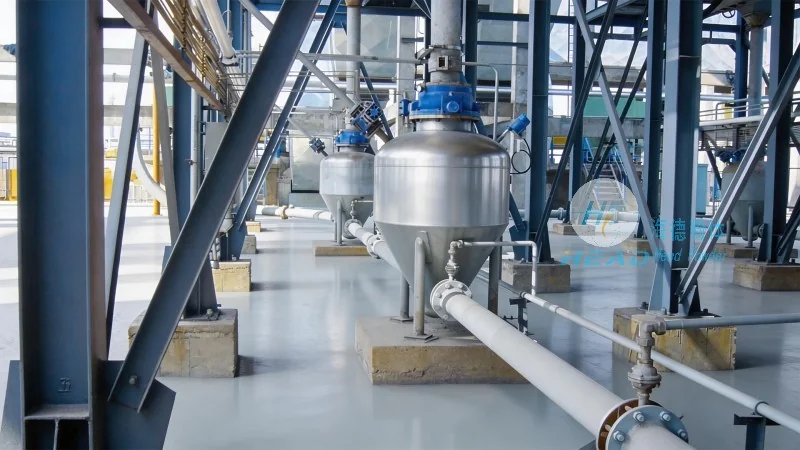
The diameter of the conveying line is a key parameter that influences the system's capacity and efficiency. Larger diameters can handle higher material volumes but increase energy consumption and cost. Smaller diameters are more energy-efficient but may limit the amount of material that can be transported. The optimal diameter is determined by the material's bulk density, flow rate, and the system's pressure drop requirements. The length of the conveying line and the number of bends also impact the system's performance. Excessive bends can cause pressure losses and material degradation, while straight sections are essential for maintaining consistent flow. Properly sizing the line and minimizing unnecessary bends are crucial for ensuring smooth operation and reducing maintenance costs. Shandong HeadPowder Engineering Co., Ltd. employs advanced computational fluid dynamics (CFD) tools to simulate and optimize line designs before implementation.
Pressure Control and Blower Selection
Effective pressure control is vital for maintaining consistent material flow and preventing system failures. The blower or compressor must be capable of delivering the required air pressure and volume to overcome the system's resistance. Over-pressurizing can lead to material degradation or equipment damage, while under-pressurizing may result in poor flow or clogging. Selecting the right blower type—such as rotary lobe, centrifugal, or regenerative blowers—depends on the system's pressure and flow requirements. For synthetic fiber applications, where material can be abrasive, selecting a blower with appropriate wear-resistant components is essential. HeadPowder's engineering team conducts thorough assessments of operational parameters to recommend the most suitable blower, ensuring energy efficiency and longevity of the system.
Material Feed and Discharge Systems
The feed and discharge mechanisms are critical for ensuring the smooth intake and release of synthetic fibers. The feed hopper must be designed to prevent material bridging or segregation, which can disrupt the flow. A well-designed hopper with appropriate aeration or vibration features can help maintain consistent material flow. At the discharge end, the receiver or discharge unit must be equipped with proper sealing and filtration to prevent dust emissions and maintain material purity. For applications where the material is sensitive to moisture or air exposure, additional features such as moisture control or inert gas purging may be required. Shandong HeadPowder Engineering Co., Ltd. specializes in designing custom feed and discharge systems that address the unique challenges of synthetic fiber handling, ensuring compliance with industry standards and operational efficiency.
System Integration and Maintenance Considerations
Integrating the pneumatic conveying system with existing production lines requires careful planning to ensure seamless operation. Coordination with other equipment, such as mixers or processing units, is essential to avoid bottlenecks or inefficiencies. Regular maintenance is also critical for prolonging the system's lifespan and maintaining performance. This includes monitoring air pressure, cleaning filters, and inspecting wear parts. Implementing a preventive maintenance schedule can help identify issues early and reduce downtime. HeadPowder provides comprehensive maintenance services and support to clients, ensuring that their systems operate at peak efficiency and minimizing long-term costs.
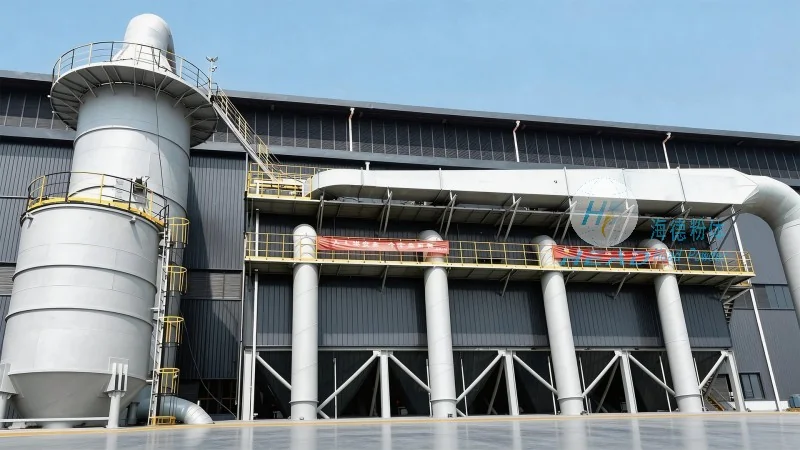
Case Studies and Real-World Applications
Real-world applications of synthetic fiber pneumatic conveying systems highlight the effectiveness of proper design and implementation. For instance, in the textile industry, these systems are used to transport raw fibers from storage to processing units, improving workflow and reducing manual handling. In the chemical industry, they are employed to convey fine powders that require precise control over particle size and moisture content. These case studies demonstrate the versatility and reliability of pneumatic conveying systems when designed and maintained correctly. Shandong HeadPowder Engineering Co., Ltd. has successfully implemented numerous such systems across various industries, leveraging its expertise to deliver tailored solutions that meet client-specific requirements.
Conclusion: The Role of Expert Engineering in System Design
Designing a reasonable synthetic fiber pneumatic conveying system involves a comprehensive approach that considers material characteristics, operational requirements, and long-term maintenance. By carefully selecting system components, optimizing line design, and implementing effective pressure control, industries can achieve efficient and reliable material transport. Shandong HeadPowder Engineering Co., Ltd., with its deep understanding of synthetic fiber handling and pneumatic conveying technologies, offers expert guidance and customized solutions to help clients optimize their operations. Whether it's a new system installation or an upgrade to an existing one, partnering with a knowledgeable engineering firm like HeadPowder ensures that the system meets performance standards, reduces operational costs, and enhances overall productivity.

 Công ty TNHH Kỹ thuật Công trình Bột Hải Đức Sơn Đông
 156-6277-7102(Quản lý Trương)
  0531-83386006
  Quận Chương Khâu, Thành phố Tế Nam, Tỉnh Sơn Đông, Trung Quốc
Điện thoại
WeChatTư vấn
Lên đầu