Công ty Hải Đức Bột với hơn 10 năm kinh nghiệm vận chuyển khí, cung cấp hệ thống‑thiết bị‑quạt gió và nhận dự án tổng thầu bột cả nước
Shandong HeadPowder Engineering Co., Ltd. (headpowder) specializes in providing efficient and reliable solutions for dry sand conveyance. With years of experience in the industry, headpowder offers a range of methods to transport dry sand, including pneumatic, screw, belt, hydraulic, bucket elevator, and vibrating conveyors. Each method is designed to meet specific operational needs and site conditions, ensuring optimal performance and minimal maintenance. This article explores the primary methods for dry sand conveyance, highlighting their characteristics, advantages, and typical applications.
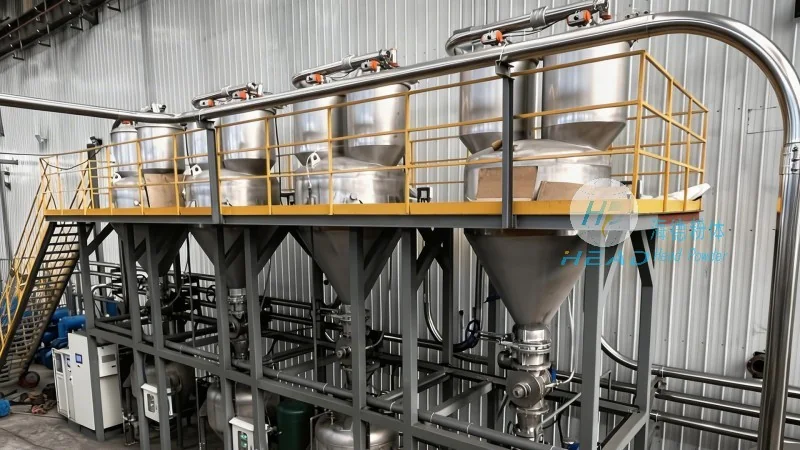
1. Pneumatic Conveying Systems for Dry Sand
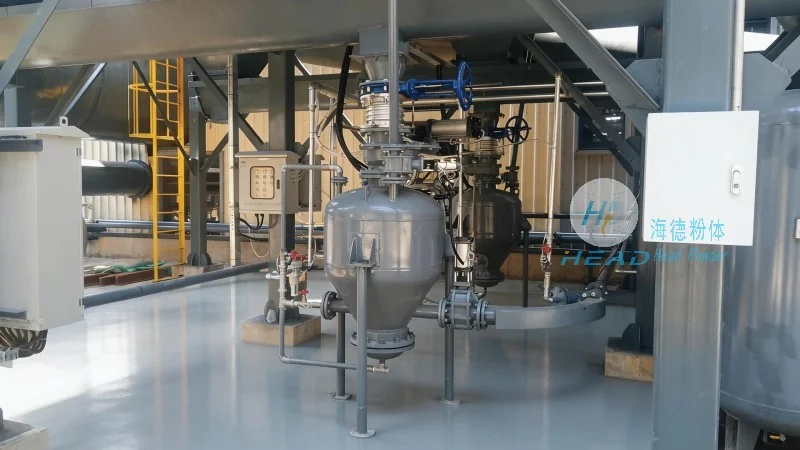
Pneumatic conveying, also known as air-based or gas-based transport, is a widely used method for moving dry sand. This technology utilizes compressed air or other gases to transport the material through a pipeline system. There are two main types of pneumatic conveying: pressure and vacuum systems. Pressure systems are suitable for long-distance and high-capacity transport, while vacuum systems are ideal for short distances and when material needs to be drawn from multiple sources. The key components of a pneumatic dry sand conveying system include a hopper, a rotary valve, a conveyor line, and a dust collector. These systems are particularly effective for handling fine or powdery materials, as they can maintain the material's integrity and prevent segregation. The efficiency of pneumatic conveying depends on factors such as the material's density, particle size, and moisture content. For instance, headpowder's pneumatic dry sand conveying systems are designed to handle various types of dry sand, ensuring consistent performance and minimal maintenance.
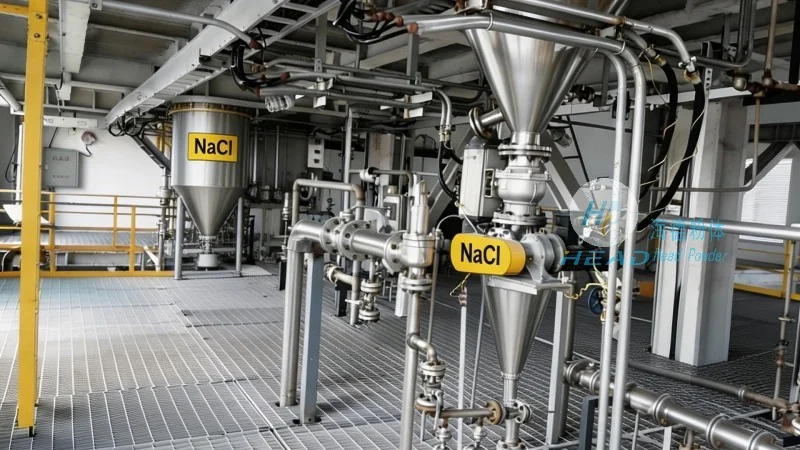
2. Screw Conveyors for Dry Sand Transport
Screw conveyors, also known as auger conveyors, are another common method for transporting dry sand. This equipment consists of a rotating helical screw blade inside a trough or tube. The screw rotates, pushing the material forward along the conveyor. Screw conveyors are suitable for horizontal or slightly inclined transport and are often used in bulk material handling applications. They are particularly effective for handling granular materials like dry sand, as they can maintain a consistent flow rate and prevent material buildup. The design of screw conveyors can be customized to accommodate different material characteristics, such as particle size and moisture content. For example, headpowder's screw conveyors are engineered to handle dry sand with high efficiency, ensuring minimal wear and tear on the equipment. These systems are also relatively low maintenance and can be integrated into existing material handling processes.
3. Belt Conveyors for Dry Sand Conveying
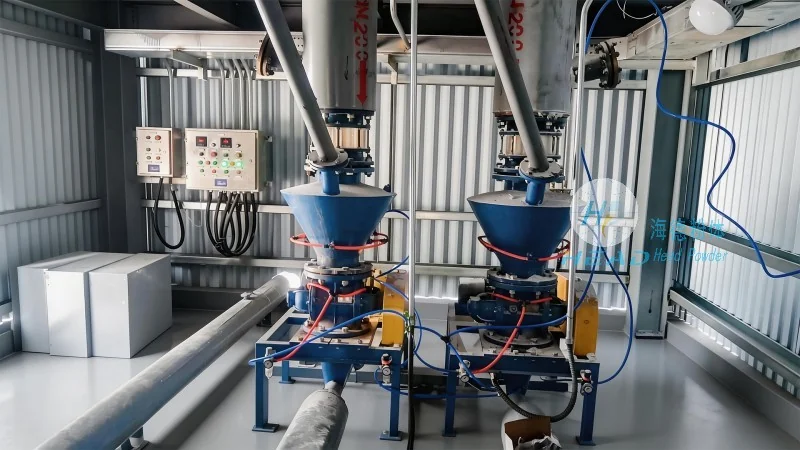
Belt conveyors are a versatile and widely used method for transporting dry sand over long distances. This system consists of a continuous belt that moves over rollers or pulleys, transporting the material from one point to another. Belt conveyors are suitable for both horizontal and inclined transport and can handle a wide range of material types, including dry sand. They are particularly effective for high-capacity applications and can be used in both indoor and outdoor settings. The key advantages of belt conveyors include their ability to transport materials over long distances with minimal energy consumption and their adaptability to different operational conditions. For instance, headpowder's belt conveyor systems are designed to handle dry sand efficiently, ensuring consistent performance and durability. These systems can be customized to meet specific operational requirements, such as material flow rate and distance.

 Công ty TNHH Kỹ thuật Công trình Bột Hải Đức Sơn Đông
 156-6277-7102(Quản lý Trương)
  0531-83386006
  Quận Chương Khâu, Thành phố Tế Nam, Tỉnh Sơn Đông, Trung Quốc
Điện thoại
WeChatTư vấn
Lên đầu