Công ty Hải Đức Bột với hơn 10 năm kinh nghiệm vận chuyển khí, cung cấp hệ thống‑thiết bị‑quạt gió và nhận dự án tổng thầu bột cả nước
Loess, a fine-grained soil primarily composed of silt, is widely utilized in construction, agricultural, and environmental restoration projects. Efficient transportation of loess from its source to the construction site or other destinations is critical for project success and cost-effectiveness. This article explores the various methods employed by Shandong HeadPowder Engineering Co., Ltd. to ensure reliable and effective loess transport, highlighting the key approaches that contribute to successful project outcomes.
Company Overview: HeadPowder Engineering
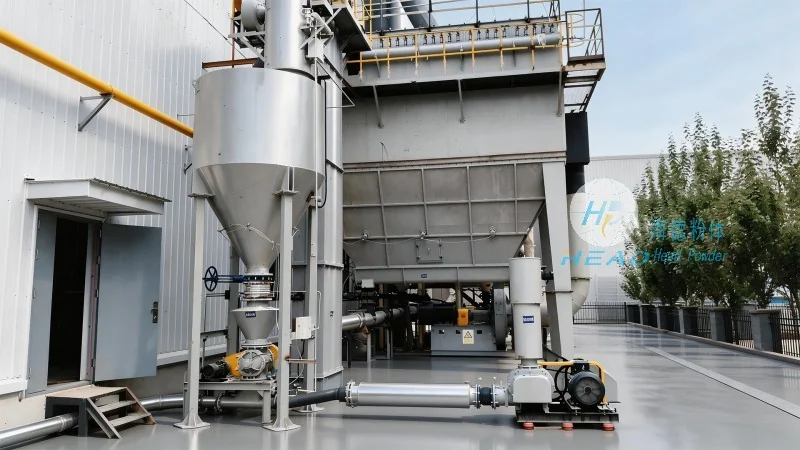
Shandong HeadPowder Engineering Co., Ltd., commonly known as HeadPowder, is a leading provider of engineering solutions for soil and material transport. With a strong presence in China, particularly in Shandong province, the company specializes in designing, manufacturing, and implementing advanced systems for transporting loess and other bulk materials. HeadPowder's expertise lies in optimizing transport processes to minimize costs, reduce environmental impact, and enhance operational efficiency.
Key Loess Transport Methods
Transporting loess requires careful consideration of material properties, distance, and project requirements. Several methods are commonly used, each with its own advantages and applications. The following sections detail the primary approaches employed by HeadPowder for loess transport.
Pipeline Transport
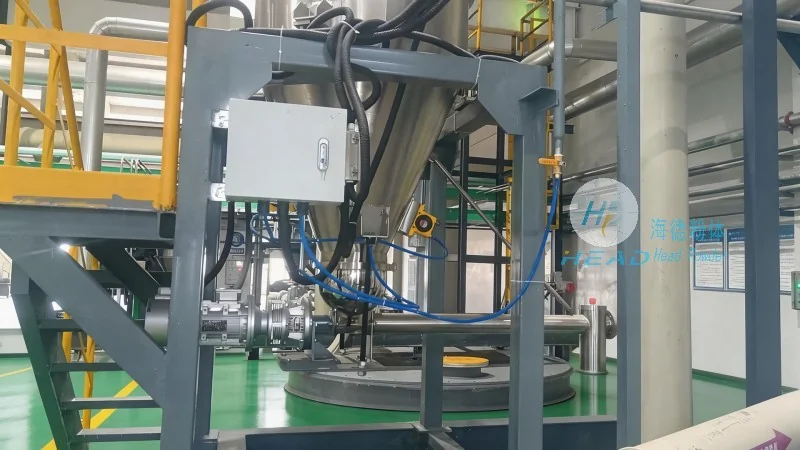
Pipeline transport is a highly efficient method for moving large volumes of loess over long distances. This system involves pumping loess through a network of pipes, typically using high-pressure centrifugal pumps or positive displacement pumps to maintain flow. The process is continuous and can operate 24/7, making it ideal for large-scale projects where consistent supply is essential. HeadPowder specializes in designing custom pipeline systems that accommodate the specific characteristics of loess, ensuring minimal clogging and optimal flow rates. The company’s expertise in material handling and pipeline engineering allows for the development of robust systems that can handle varying loess compositions and particle sizes, such as fine silt or mixed soil. By using high-quality materials like stainless steel or abrasion-resistant steel for the pipelines, HeadPowder ensures durability and longevity, reducing maintenance costs over the system’s lifespan.
Belt Conveyor Systems
Belt conveyor systems are another popular choice for loess transport, especially for shorter to medium distances. These systems use a continuous belt to move loess from the source to the destination, often integrated with other equipment such as feeders and elevators. Belt conveyors are known for their reliability and ability to handle high volumes of material with minimal maintenance. HeadPowder engineers design belt conveyor systems tailored to the project’s needs, considering factors like the slope of the terrain, the required throughput, and the need for vertical or horizontal transport. The company’s use of high-quality materials and advanced control systems ensures that the conveyor operates smoothly and efficiently, reducing downtime and maximizing productivity.
Truck and Heavy Machinery Transport
For shorter distances or when pipeline and conveyor systems are not feasible, truck and heavy machinery transport remains a viable option. This method involves loading loess into trucks or specialized vehicles and transporting it to the site. HeadPowder provides comprehensive support for truck transport, including loading equipment, such as bucket elevators or front-end loaders, and ensuring compliance with safety and environmental regulations. The company’s experience in logistics and material handling ensures that truck transport is conducted safely and efficiently, minimizing the risk of spillage and adhering to local transport laws.
Hybrid Transport Solutions
In many cases, a combination of transport methods is used to optimize loess delivery. Hybrid systems may involve pipeline transport for the main portion of the journey, followed by truck transport for the final leg to the construction site. HeadPowder’s engineers are adept at designing hybrid solutions that leverage the strengths of each method, ensuring seamless integration and maximum efficiency. These hybrid approaches are particularly useful when dealing with complex terrain or when the project requires flexibility in the transport process.
Factors Influencing Loess Transport Choice
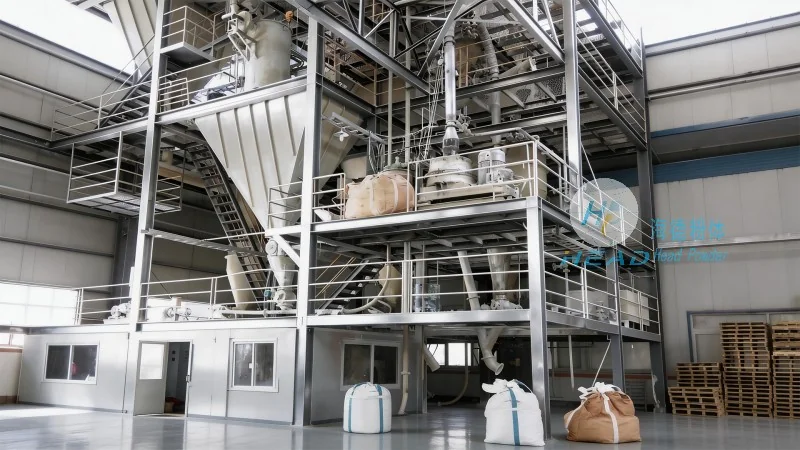
The choice of loess transport method depends on several key factors, including the distance between the source and destination, the volume of material to be transported, the terrain and environmental conditions, and the budget constraints. HeadPowder evaluates these factors for each project to recommend the most suitable transport solution. The company’s expertise in engineering and material science allows for the selection of the optimal method, whether it is pipeline, conveyor, truck, or a hybrid approach. By considering all relevant factors, HeadPowder ensures that the chosen transport method not only meets the project’s requirements but also delivers cost-effective and sustainable results.
Conclusion
Efficient loess transport is essential for the success of construction and environmental projects. Shandong HeadPowder Engineering Co., Ltd. offers a range of transport methods, from pipeline and belt conveyor systems to truck transport and hybrid solutions, tailored to meet the specific needs of each project. With a focus on reliability, efficiency, and environmental responsibility, HeadPowder ensures that loess is transported safely and effectively, contributing to the success of projects across China. Whether you are working on a large-scale construction project or an environmental restoration initiative, HeadPowder provides the expertise and solutions needed to achieve your loess transport goals.

 Công ty TNHH Kỹ thuật Công trình Bột Hải Đức Sơn Đông
 156-6277-7102(Quản lý Trương)
  0531-83386006
  Quận Chương Khâu, Thành phố Tế Nam, Tỉnh Sơn Đông, Trung Quốc
Điện thoại
WeChatTư vấn
Lên đầu