Công ty Hải Đức Bột với hơn 10 năm kinh nghiệm vận chuyển khí, cung cấp hệ thống‑thiết bị‑quạt gió và nhận dự án tổng thầu bột cả nước
For construction projects, the efficient and reliable transportation of cement and aggregates is crucial for maintaining project timelines and ensuring material quality. Among the various methods used in the industry, selecting the right conveying system can significantly impact operational costs, safety, and overall project success. This article provides a detailed comparison of common cement aggregate conveying methods, highlighting their advantages and disadvantages, to help industry professionals make informed decisions.
Overview of Key Conveying Methods
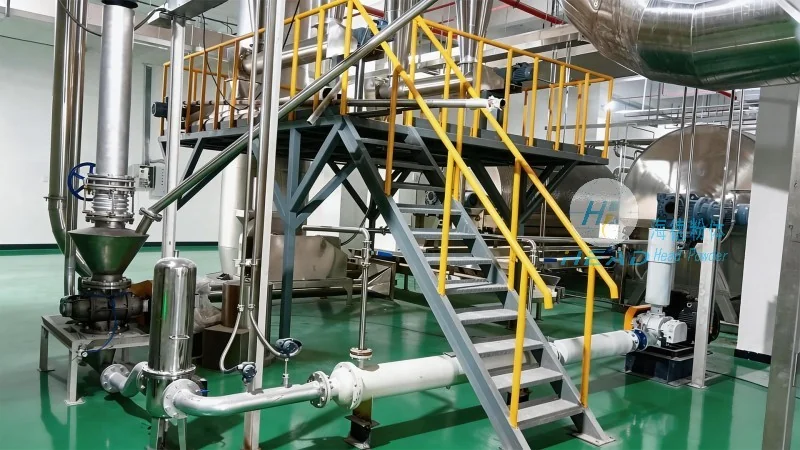
In the construction and mining sectors, several primary methods are employed for transporting cement and aggregates. These include belt conveyors, screw conveyors, pneumatic conveyors, and hydraulic systems. Each method has distinct characteristics that make it suitable for specific applications. Understanding these differences is essential for optimizing material handling processes.
Belt Conveyors: The Workhorse of Material Transport
Belt conveyors are widely recognized as one of the most common and versatile methods for transporting bulk materials like cement and aggregates. They consist of a continuous loop of material (usually rubber or fabric) that moves over rollers or pulleys. The primary advantage of belt conveyors is their high capacity and ability to transport materials over long distances with minimal maintenance. They are particularly effective for horizontal and slightly inclined transport, making them ideal for bulk material handling in construction sites and industrial facilities.
However, belt conveyors also have notable drawbacks. They require regular maintenance to prevent belt wear and slippage, which can lead to downtime. Additionally, they are susceptible to damage from heavy loads or sharp objects, which may cause operational interruptions. The initial investment for a belt conveyor system is relatively high compared to other methods, and space requirements can be significant for long-distance applications.
Screw Conveyors: Compact and Versatile Solutions
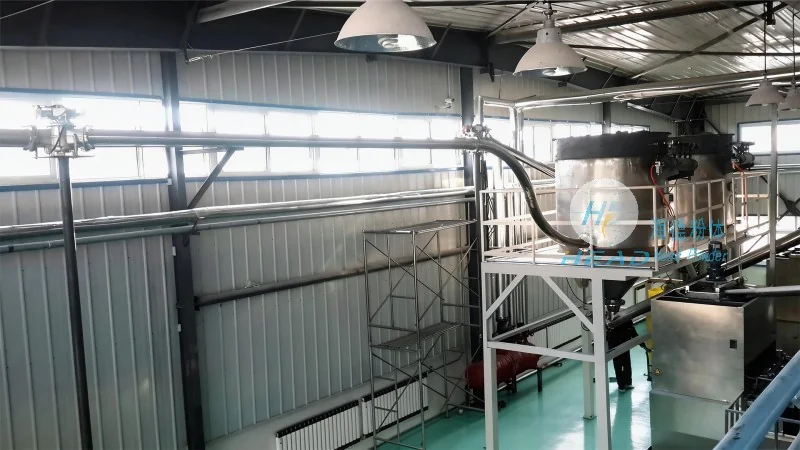
Screw conveyors, also known as auger conveyors, use a rotating screw mechanism to move materials along a trough. This method is particularly suitable for transporting powders and granular materials, including cement and fine aggregates. One of the key advantages of screw conveyors is their compact design, which allows for installation in confined spaces. They are also relatively simple to operate and maintain, with fewer moving parts compared to other systems.
Despite their advantages, screw conveyors have limitations. They are not suitable for transporting large, irregularly shaped objects or materials with high moisture content, as this can cause blockages or excessive wear on the screw and trough. Additionally, the conveyor's efficiency can decrease with increasing material density and viscosity, potentially leading to reduced throughput. The continuous rotation of the screw may also generate heat, which could affect the quality of heat-sensitive materials like certain types of cement.
Pneumatic Conveyors: Air-Powered Efficiency
Pneumatic conveyors use air pressure to transport materials through a pipeline system. This method is ideal for transporting fine powders and granular materials over moderate distances. The primary advantage of pneumatic conveyors is their ability to handle materials with high moisture content or those that are prone to dust generation, as the system can be enclosed to prevent contamination. They are also relatively quiet and can be integrated into existing infrastructure with minimal disruption.
However, pneumatic conveyors have significant drawbacks. They require a constant supply of compressed air, which can increase operational costs and energy consumption. The system is also susceptible to pressure drops and blockages, which can reduce efficiency and cause material loss. Additionally, the initial investment for a pneumatic conveyor system is higher than for other methods, and maintenance can be complex due to the need for air filtration and pipeline cleaning.
Hydraulic Conveyors: High-Pressure Solutions
Hydraulic conveyors use high-pressure fluid to move materials through a system of pipes and valves. This method is typically used for transporting heavy, abrasive materials over short to medium distances. The primary advantage of hydraulic conveyors is their ability to handle high-pressure and high-density materials without significant wear on components. They are also relatively compact and can be easily integrated into existing industrial setups.
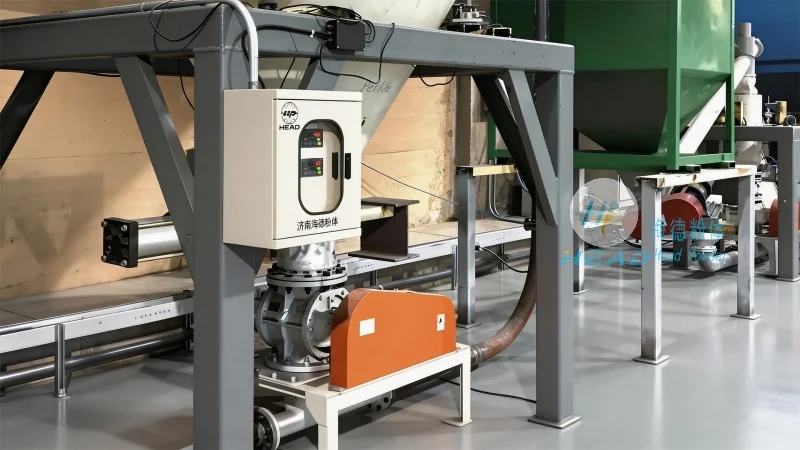
Nevertheless, hydraulic conveyors have limitations. They require specialized equipment and expertise for installation and maintenance, which can increase operational costs. The system is also prone to leaks and pressure fluctuations, which can affect material flow and cause safety hazards. Additionally, the initial investment for a hydraulic conveyor system is substantial, and the maintenance of hydraulic components can be complex and costly.
Choosing the Right Conveying Method: Factors to Consider
When selecting a conveying method for cement and aggregate transport, several factors must be considered to ensure optimal performance and cost-effectiveness. These include the type and size of materials, the distance to be transported, the required throughput, and the available space. Additionally, operational costs, maintenance requirements, and safety considerations play a critical role in the decision-making process.
For example, belt conveyors are often the preferred choice for long-distance horizontal transport of large quantities of bulk materials. Screw conveyors are ideal for compact installations handling fine powders or granular materials. Pneumatic conveyors are suitable for enclosed systems transporting materials with high moisture content or dust. Hydraulic conveyors are best for short to medium distances with high-pressure, abrasive materials.
Conclusion
Each conveying method for cement and aggregates has its unique advantages and disadvantages, making the selection process critical for construction and industrial applications. By carefully evaluating the specific requirements of a project, including material characteristics, distance, and operational constraints, industry professionals can choose the most suitable system to enhance efficiency, reduce costs, and ensure project success. The expertise of companies like Shandong HeadPowder Engineering Co., Ltd. can provide valuable guidance in selecting and implementing the optimal conveying solution for diverse construction and industrial needs.

 Công ty TNHH Kỹ thuật Công trình Bột Hải Đức Sơn Đông
 156-6277-7102(Quản lý Trương)
  0531-83386006
  Quận Chương Khâu, Thành phố Tế Nam, Tỉnh Sơn Đông, Trung Quốc
Điện thoại
WeChatTư vấn
Lên đầu