Công ty Hải Đức Bột với hơn 10 năm kinh nghiệm vận chuyển khí, cung cấp hệ thống‑thiết bị‑quạt gió và nhận dự án tổng thầu bột cả nước
When it comes to handling synthetic fibers in industrial settings, selecting the right conveying method is crucial for efficiency, cost-effectiveness, and product integrity. Synthetic fibers, such as polyester, nylon, and acrylic, are widely used in textiles, composites, and other manufacturing processes, and their proper transportation requires careful consideration of various factors. This article provides a detailed comparison of common synthetic fiber conveying methods, examining their advantages and disadvantages to help businesses make informed decisions.
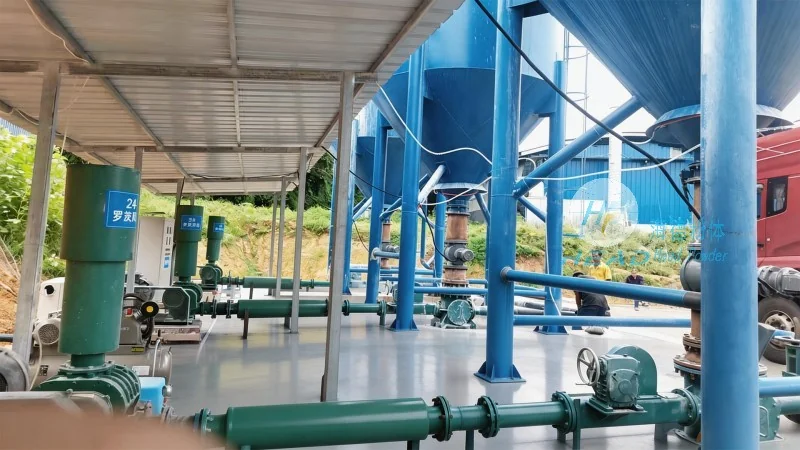
Overview of Synthetic Fiber Conveying Methods
Synthetic fiber conveying involves the movement of fibers from one location to another within a production line. The choice of method depends on factors like fiber type, bulk density, moisture content, and the required throughput. Common methods include screw conveyors, belt conveyors, pneumatic conveyors, and bucket elevators. Each method has unique characteristics that make it suitable for specific applications.
Screw Conveyors: Advantages and Disadvantages
Screw conveyors, also known as auger conveyors, are among the most common equipment for transporting synthetic fibers. They consist of a rotating screw inside a trough, which moves material forward through the screw's rotation. This method is particularly effective for handling dry, free-flowing fibers with low to moderate bulk density. One of the key advantages of screw conveyors is their simplicity and low maintenance requirements. They are also capable of operating in a vertical or inclined position, making them suitable for elevating fibers to higher levels. However, screw conveyors have limitations when dealing with sticky or fibrous materials, as the screw can become clogged, leading to reduced efficiency and potential damage to the fibers. Additionally, they may not be ideal for high-capacity applications due to their lower throughput compared to other methods.
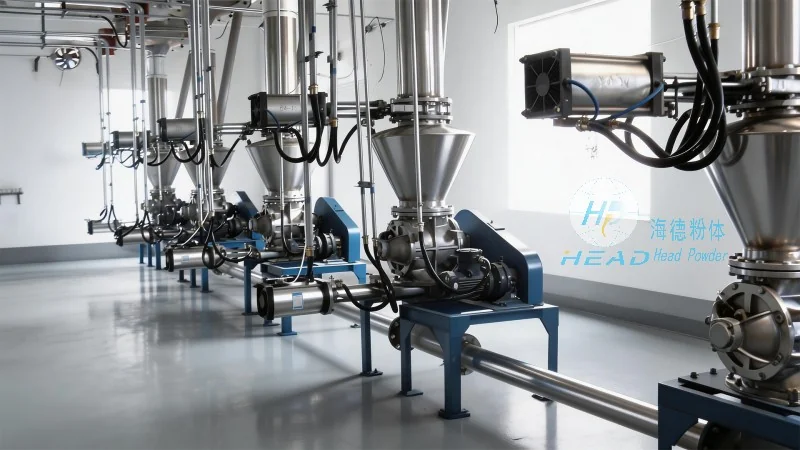
Belt Conveyors: Advantages and Disadvantages
Belt conveyors use a continuous belt to transport synthetic fibers horizontally or at a slight incline. This method is widely used in the textile and packaging industries due to its ability to handle large volumes of material. A primary advantage of belt conveyors is their high capacity and ability to transport fibers over long distances without significant loss of speed or efficiency. They are also relatively easy to install and maintain, with minimal moving parts that can wear out. However, belt conveyors have drawbacks when dealing with lightweight or fine fibers, as they may require additional support to prevent the belt from sagging. Moreover, they are not suitable for vertical transport and may need to be combined with other equipment for multi-level operations. Another consideration is the potential for fiber buildup on the belt, which can affect performance and require regular cleaning.
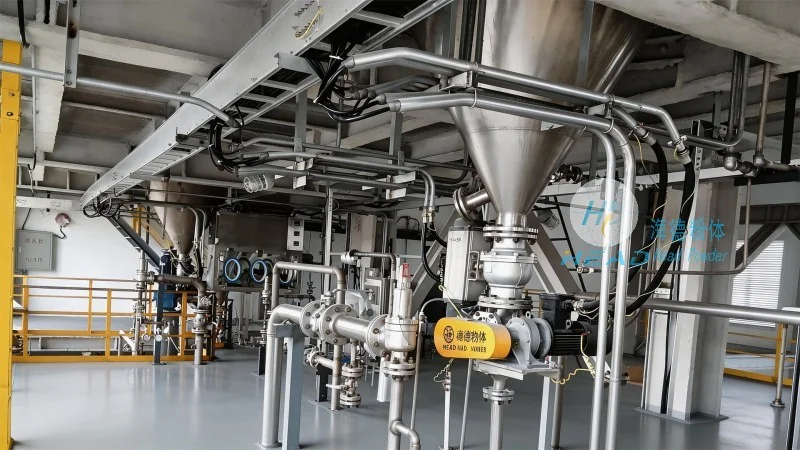
Pneumatic Conveying: Advantages and Disadvantages
Pneumatic conveying systems use air or gas to transport synthetic fibers through a pipeline. This method is particularly effective for handling fine or dusty fibers, as it minimizes dust exposure and contamination. One of the main advantages of pneumatic conveying is its ability to transport fibers in a closed system, which helps maintain product quality and reduces environmental impact. It also allows for vertical and horizontal transport in a single system, making it versatile for complex layouts. However, pneumatic conveying has significant disadvantages, including high energy consumption and the need for specialized equipment to handle pressure and airflow. The system is also susceptible to blockages if the fibers are too fine or sticky, which can lead to system downtime. Additionally, the cost of installation and maintenance for pneumatic systems is generally higher than for other conveying methods.
Bucket Elevators: Advantages and Disadvantages
Bucket elevators are used to transport synthetic fibers vertically, often in bulk material handling applications. They consist of a series of buckets attached to a chain or belt that moves up and down inside a vertical casing. This method is highly effective for elevating fibers to significant heights, such as in feed systems for processing plants. A key advantage of bucket elevators is their high capacity and ability to handle large volumes of material with minimal space requirements. They are also relatively simple to operate and maintain, with fewer moving parts compared to other vertical transport systems. However, bucket elevators have limitations when dealing with abrasive or sticky fibers, as the buckets can wear out quickly, leading to increased maintenance costs. Additionally, they are not suitable for horizontal transport and may require additional equipment for horizontal movement.
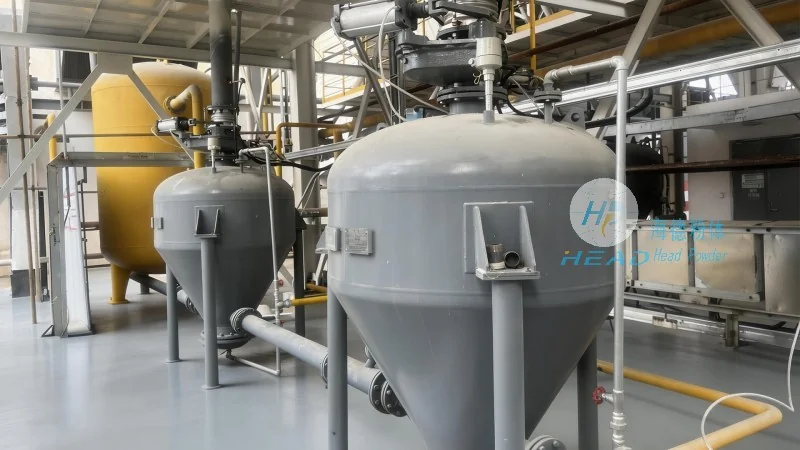
Choosing the Right Conveying Method for Synthetic Fibers
When selecting a synthetic fiber conveying method, businesses must consider several factors to ensure optimal performance and cost-effectiveness. The type of fiber (e.g., polyester, nylon, acrylic) and its physical properties, such as bulk density and moisture content, are critical. For example, screw conveyors may be suitable for dry, free-flowing fibers, while pneumatic conveying is better for fine or dusty fibers. The required throughput and distance of transport also play a role, as high-capacity applications may benefit from belt conveyors or pneumatic systems. Additionally, the space available in the facility and the need for vertical or horizontal transport should be evaluated. It is also important to consider the long-term maintenance costs and energy efficiency of each method. By carefully analyzing these factors, businesses can choose the most appropriate conveying method for their synthetic fiber handling needs.
Conclusion
Each synthetic fiber conveying method has its own set of advantages and disadvantages, making it essential to select the right equipment based on specific application requirements. Screw conveyors offer simplicity and versatility for dry fibers, while belt conveyors excel in high-capacity horizontal transport. Pneumatic conveying provides a closed system for fine fibers but at a higher cost, and bucket elevators are ideal for vertical transport. Understanding these trade-offs and considering factors like fiber type, throughput, and space constraints is crucial for optimizing production efficiency and minimizing operational costs. For businesses seeking reliable solutions for synthetic fiber conveying, Shandong HeadPowder Engineering Co., Ltd. specializes in providing tailored equipment and systems to meet diverse industrial needs. With a focus on quality and efficiency, HeadPowder Engineering offers expertise in selecting and implementing the most suitable conveying methods for synthetic fibers, ensuring optimal performance and long-term success in various manufacturing processes.

 Công ty TNHH Kỹ thuật Công trình Bột Hải Đức Sơn Đông
 156-6277-7102(Quản lý Trương)
  0531-83386006
  Quận Chương Khâu, Thành phố Tế Nam, Tỉnh Sơn Đông, Trung Quốc
Điện thoại
WeChatTư vấn
Lên đầu