Công ty Hải Đức Bột với hơn 10 năm kinh nghiệm vận chuyển khí, cung cấp hệ thống‑thiết bị‑quạt gió và nhận dự án tổng thầu bột cả nước
Alumina particles, widely utilized in industries such as ceramics, refractories, and chemical processing, require efficient and reliable conveying methods to ensure smooth material handling. The choice of conveying system directly impacts operational efficiency, cost, and product quality. This article provides a detailed comparison of common alumina particle conveying methods, highlighting their advantages and disadvantages, to assist industries in selecting the most suitable solution for their specific needs.
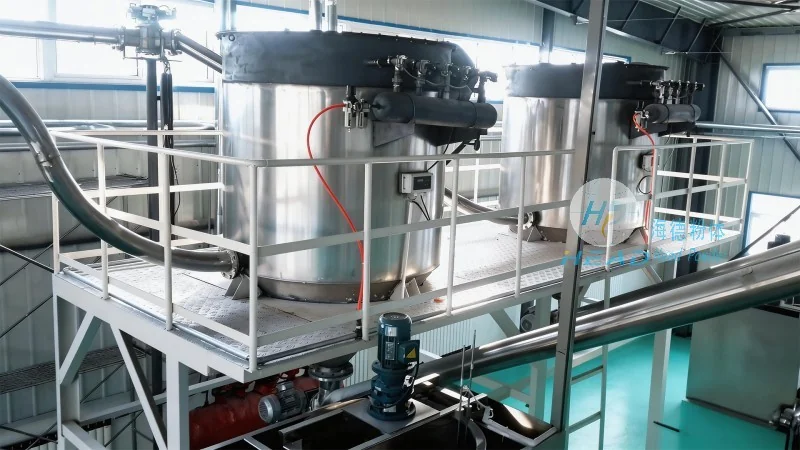
Overview of Conveying Methods for Alumina Particles
Conveying systems for alumina particles can be broadly categorized into gravity, pneumatic, and mechanical types. Each method has distinct characteristics that make it suitable for different operational conditions and material properties. Understanding these differences is crucial for optimizing material flow and minimizing downtime in production processes.
Gravity Conveying Systems
Gravity conveying systems utilize the natural force of gravity to move alumina particles from one location to another. These systems typically consist of inclined chutes or hoppers that allow particles to slide down under the influence of gravity. The primary advantage of gravity conveying is its simplicity and low operational cost, as it requires minimal energy input and has fewer moving parts compared to other systems. This makes it an ideal choice for short-distance, low-volume applications where the material is relatively free-flowing and non-abrasive.
However, gravity conveying systems have significant limitations. They are highly dependent on the angle of inclination and the particle size distribution. If the material is too fine or contains moisture, it may stick to the chute walls, leading to blockages and reduced efficiency. Additionally, gravity systems are not suitable for vertical or long-distance transport, as the required slope becomes impractically steep and energy-intensive to maintain. This limitation restricts their use to horizontal or shallow incline applications, making them less versatile for complex production layouts.
Pneumatic Conveying Systems
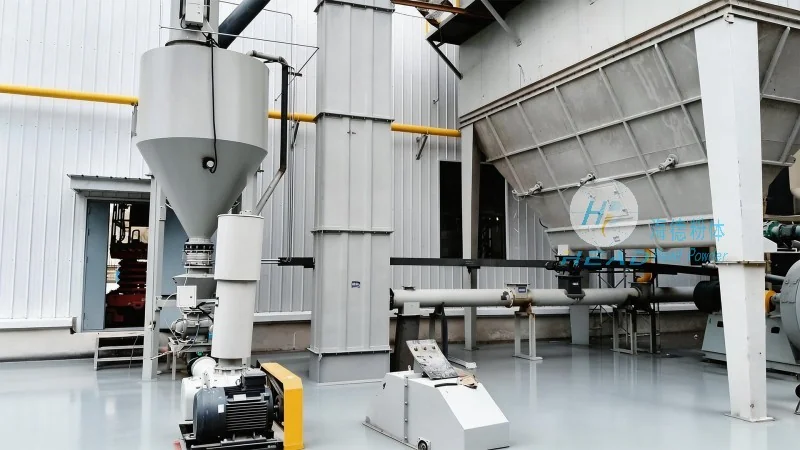
Pneumatic conveying systems use air or other gases to transport alumina particles through a pipeline. These systems can be classified as pressure or vacuum types, depending on the pressure applied to move the material. The primary advantage of pneumatic conveying is its ability to handle a wide range of particle sizes and shapes, including fine powders and irregularly shaped alumina particles. It also allows for vertical and horizontal transport, making it suitable for complex layouts and long-distance applications. Additionally, pneumatic systems can be integrated with dust collection and filtration equipment, enhancing safety and environmental compliance.
Despite these benefits, pneumatic conveying systems have notable drawbacks. The most significant is the high energy consumption, as they require powerful blowers or vacuum pumps to generate sufficient airflow. This increases operational costs, especially for large-scale or continuous operations. Furthermore, the system is susceptible to pressure drops and blockages, particularly with cohesive or sticky alumina particles, which can lead to system downtime and maintenance issues. The cost of installation and maintenance for pneumatic systems is also higher compared to gravity or mechanical systems, making them less economical for low-volume applications.
Mechanical Conveying Systems
Mechanical conveying systems rely on mechanical components such as belts, screws, or buckets to move alumina particles. These systems are highly versatile and can handle a variety of particle sizes, shapes, and flow properties. The primary advantage of mechanical conveying is its ability to handle abrasive or sticky materials without causing excessive wear or blockages. For example, screw conveyors are effective for moving fine alumina powders, while bucket elevators can transport bulk materials over vertical distances. Mechanical systems also offer better control over the flow rate and direction, allowing for precise material handling in production processes.
However, mechanical conveying systems have their own limitations. The moving parts, such as belts or screws, are prone to wear and tear, requiring regular maintenance and replacement. This increases the long-term operational costs and potential downtime. Additionally, mechanical systems may not be suitable for very fine or cohesive alumina particles, as they can cause excessive friction and material degradation. The initial investment cost for mechanical conveyors is also higher compared to gravity systems, although the operational efficiency and durability make them a cost-effective choice for many industrial applications.
Choosing the Right Conveying System for Alumina Particles
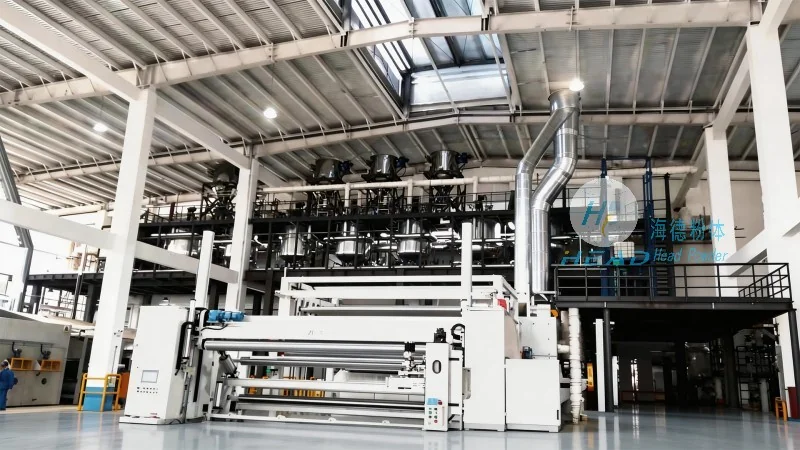
The selection of an appropriate conveying system for alumina particles depends on several factors, including the particle size, flowability, distance to be covered, and operational budget. For short-distance, low-volume applications with free-flowing particles, gravity conveying may be the most economical choice. For long-distance or complex layouts requiring vertical transport, pneumatic or mechanical systems are more suitable. The choice also considers the material's properties, such as moisture content and abrasiveness, which can affect the system's performance and lifespan.
HeadPowder Engineering Co., Ltd. - Your Partner in Alumina Conveying Solutions
Shandong HeadPowder Engineering Co., Ltd., a leading provider of material handling solutions, specializes in designing and manufacturing customized conveying systems for alumina particles. With years of experience in the industry, HeadPowder understands the unique challenges associated with handling alumina and offers tailored solutions to meet specific operational requirements. The company's expertise includes the design of gravity, pneumatic, and mechanical conveying systems, ensuring optimal performance and reliability for clients across various industries.
HeadPowder's commitment to quality and innovation is reflected in its use of advanced materials and engineering techniques. The company's products are designed to withstand the abrasive nature of alumina particles, reducing wear and extending the system's lifespan. Additionally, HeadPowder provides comprehensive support, including installation, maintenance, and technical assistance, to ensure that clients achieve maximum efficiency and cost savings. By partnering with HeadPowder, industries can enhance their material handling processes, improve productivity, and maintain high product quality in alumina applications.

 Công ty TNHH Kỹ thuật Công trình Bột Hải Đức Sơn Đông
 156-6277-7102(Quản lý Trương)
  0531-83386006
  Quận Chương Khâu, Thành phố Tế Nam, Tỉnh Sơn Đông, Trung Quốc
Điện thoại
WeChatTư vấn
Lên đầu