Công ty Hải Đức Bột với hơn 10 năm kinh nghiệm vận chuyển khí, cung cấp hệ thống‑thiết bị‑quạt gió và nhận dự án tổng thầu bột cả nước
For industrial facilities utilizing flue gas desulfurization (FGD) systems, the efficient and reliable transportation of dry desulfurization ash is a critical operational consideration. The choice of conveying method directly impacts process efficiency, equipment longevity, and overall environmental compliance. This article provides a comparative analysis of common dry FGD ash conveying methods, highlighting their respective advantages and disadvantages, to assist engineers and plant operators in making informed decisions.
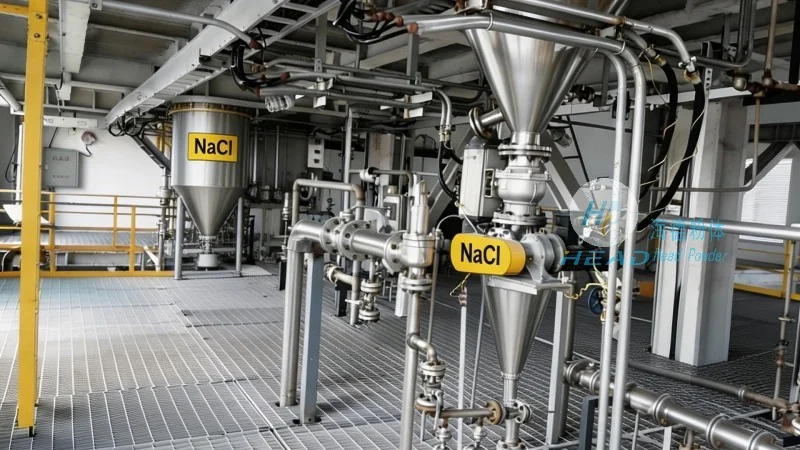
Overview of Dry FGD Ash Conveying Methods
Dry flue gas desulfurization (FGD) ash, also known as gypsum or desulfurization sludge, is a byproduct of sulfur dioxide removal from flue gases. Its handling requires specialized equipment due to its fine particle size and potential moisture content. The primary methods for transporting this material include pneumatic conveying, belt conveyors, screw conveyors, and bucket elevators. Each method has distinct characteristics that make it suitable for different plant configurations and operational requirements.
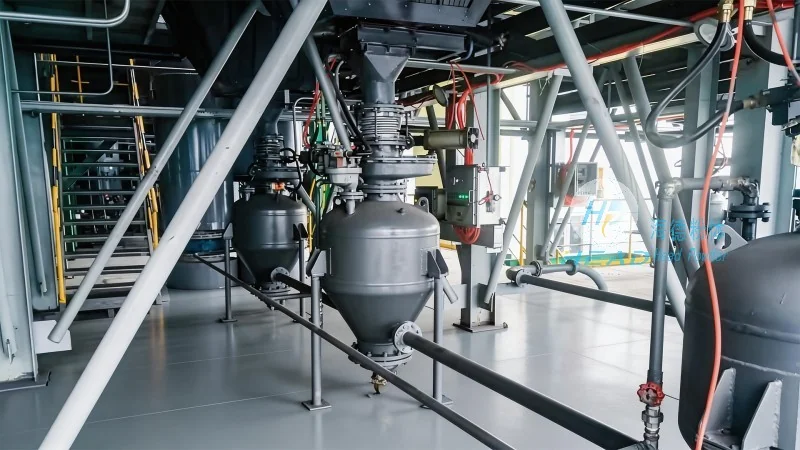
Pneumatic Conveying Systems
Pneumatic conveying uses air pressure to transport dry FGD ash through a pipeline network. This method is particularly effective for long-distance or high-rise applications where mechanical systems may be impractical. There are two main types: pressure and vacuum systems. Pressure systems utilize positive pressure to push material through the pipeline, while vacuum systems use negative pressure to pull material. The advantages of pneumatic conveying include high capacity, minimal maintenance, and the ability to handle abrasive materials without significant wear. However, it requires significant energy input to maintain air pressure, and system design must account for material density and flow characteristics to prevent blockages or pressure drops. Additionally, the cost of air compressors and pipeline infrastructure can be substantial for large-scale operations.
Belt Conveyors
Belt conveyors are a widely adopted solution for horizontal and inclined transport of dry FGD ash. They consist of a continuous belt supported by rollers, with material loaded at one end and discharged at the other. This method is favored for its simplicity, low operational cost, and ability to handle large volumes of material. Belt conveyors are particularly suitable for long horizontal distances or when material needs to be elevated to a higher level. The primary advantages include high throughput, low maintenance requirements, and the capacity to transport material over long distances without intermediate storage. However, belt conveyors are limited by their mechanical components, which are susceptible to wear from abrasive ash particles. Regular maintenance, such as belt tensioning and pulley replacement, is necessary to prevent breakdowns. Additionally, the system is less efficient for vertical transport compared to other methods, and space requirements can be significant for large-scale installations.
Screw Conveyors
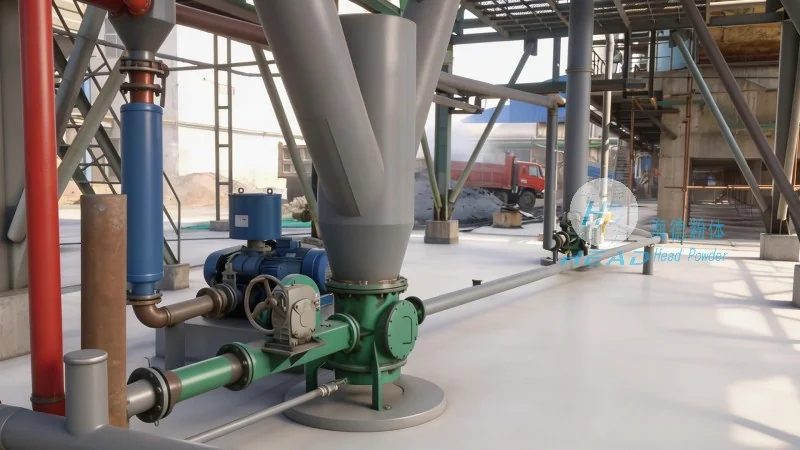
Screw conveyors, also known as auger conveyors, use a rotating screw to move dry FGD ash along a trough. This method is ideal for short to medium horizontal distances and is commonly used in storage silos or feed systems. The screw design can be solid or with flights to ensure material movement. The advantages of screw conveyors include compact design, low energy consumption, and the ability to handle fine or sticky materials. They are particularly effective for vertical lifting applications due to their self-priming capability. However, screw conveyors have limitations in terms of capacity and material handling. They are not suitable for abrasive or high-density materials, as the screw and trough can experience significant wear. Additionally, the system is prone to clogging if the ash contains excessive moisture or agglomerates, requiring regular cleaning and maintenance.
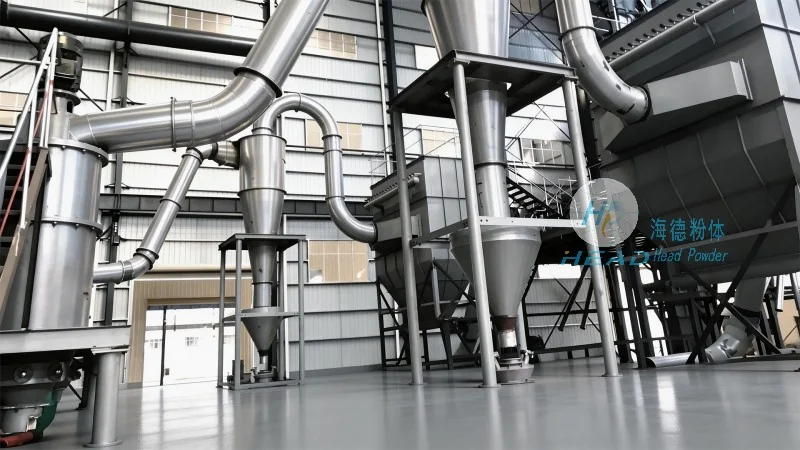
Bucket Elevators
Bucket elevators use a continuous chain with attached buckets to transport dry FGD ash vertically. The buckets are loaded at the bottom and discharged at the top as the chain moves. This method is highly efficient for vertical transport and is commonly used in FGD systems where ash needs to be elevated to a storage silo or processing unit. The advantages of bucket elevators include high vertical lifting capacity, minimal material spillage, and the ability to handle fine particles without segregation. They are particularly effective for vertical distances up to several hundred feet. However, bucket elevators have higher initial costs compared to other methods and require more maintenance due to the moving parts and bucket wear. The system is also less flexible for horizontal transport and may not be suitable for abrasive or sticky ash, as the buckets can become clogged or damaged.
Key Considerations for Choosing a Conveying Method
When selecting a dry FGD ash conveying method, several factors must be evaluated to ensure optimal performance and cost-effectiveness. These include the distance and elevation changes required, the volume of ash to be transported, the material properties (such as particle size, moisture content, and abrasiveness), and the available space and budget. For example, pneumatic conveying is preferred for long-distance or high-rise applications, while belt conveyors are suitable for horizontal transport over long distances. Screw conveyors are ideal for short horizontal or vertical transport in confined spaces, and bucket elevators are best for vertical lifting. Additionally, the operational environment, such as the presence of dust or corrosive gases, may influence the choice of materials for the conveying system and the need for dust control measures.

 Công ty TNHH Kỹ thuật Công trình Bột Hải Đức Sơn Đông
 156-6277-7102(Quản lý Trương)
  0531-83386006
  Quận Chương Khâu, Thành phố Tế Nam, Tỉnh Sơn Đông, Trung Quốc
Điện thoại
WeChatTư vấn
Lên đầu