Công ty Hải Đức Bột với hơn 10 năm kinh nghiệm vận chuyển khí, cung cấp hệ thống‑thiết bị‑quạt gió và nhận dự án tổng thầu bột cả nước
When it comes to handling soy protein powder in industrial settings, the choice of conveying method plays a critical role in ensuring efficiency, product integrity, and operational safety. As a leading manufacturer in the field, Shandong HeadPowder Engineering Co., Ltd., commonly known as HeadPowder, understands the nuances of different conveying systems and their impact on soy protein powder processing. This article provides a detailed comparison of common soy protein powder conveying methods, highlighting their advantages and disadvantages to help businesses make informed decisions.
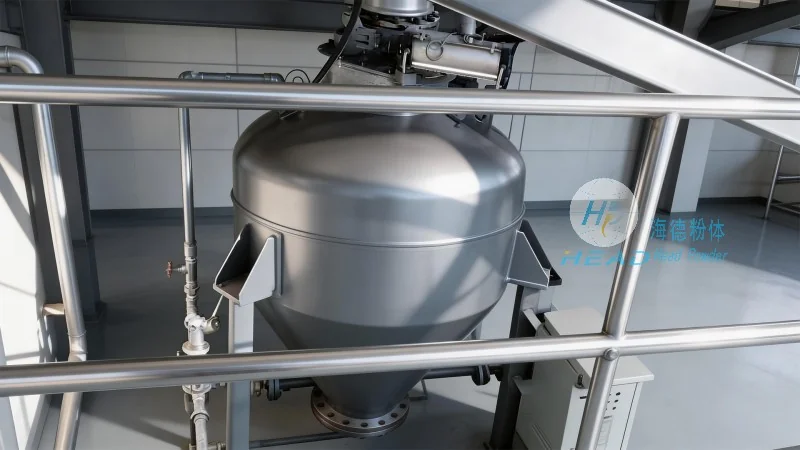
Gravity Conveying: A Simple and Cost-Effective Option
Gravity conveying, also known as belt or chain conveyors, relies on the natural force of gravity to move soy protein powder from one point to another. This method is particularly suitable for short distances and when the material has a relatively free-flowing nature. The primary advantage of gravity conveying is its low cost and minimal maintenance requirements. It eliminates the need for additional power sources, making it an economical choice for small-scale operations or applications where the powder is already in a position that allows for easy flow. However, its limitations are significant. Gravity conveyors are restricted by the slope and the angle of the material, which can be challenging for soy protein powder due to its fine particle size and tendency to create dust or blockages. Additionally, they are not suitable for vertical or long horizontal distances, as the powder may not maintain a consistent flow without proper design. For HeadPowder, while gravity conveyors are a basic option, they are often recommended as part of a larger system where the powder is first prepared for more efficient movement.
Mechanical Conveying: Precision and Control in Bulk Handling
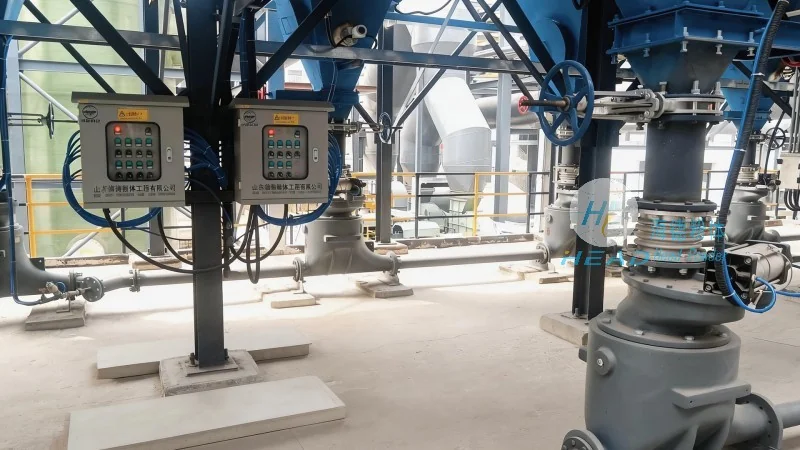
Mechanical conveying systems, such as screw conveyors, bucket elevators, and chain conveyors, use mechanical power to transport soy protein powder. These systems offer greater control over the conveying process, allowing for precise movement of the material. Screw conveyors, for instance, are widely used in the soy protein industry due to their ability to handle fine powders without causing excessive friction or degradation. They are particularly effective for vertical lifting and horizontal transport, providing a reliable solution for moving soy protein powder from silos to processing lines. The main advantage of mechanical conveyors is their versatility and ability to handle a wide range of powder characteristics. They can be adjusted to accommodate different particle sizes and flow rates, ensuring consistent performance. However, mechanical systems require regular maintenance, including lubrication and component replacement, which can increase operational costs over time. Additionally, the risk of product contamination is higher with mechanical conveyors, as parts may come into direct contact with the powder. HeadPowder specializes in designing and manufacturing high-quality mechanical conveying equipment tailored to the specific needs of soy protein powder processing, ensuring durability and minimal downtime.
Air Conveying: The Power of Fluidization and Dust Control
Air conveying, or pneumatic conveying, uses compressed air to transport soy protein powder through a pipeline system. This method is ideal for applications requiring dust control, as the powder is contained within the system, reducing exposure risks. Air conveyors are particularly effective for moving fine powders over long distances, including vertical and horizontal paths, without the need for additional equipment. The primary advantage of air conveying is its ability to handle high volumes of material efficiently and maintain product purity. It also allows for easy integration with other processing equipment, such as mixers or classifiers. However, air conveying has significant drawbacks, including higher energy consumption due to the need for compressed air and potential for product degradation if the air flow is not properly controlled. The system also requires regular cleaning to prevent clogging and maintain performance. For HeadPowder, air conveying is often recommended for large-scale operations where dust control and long-distance transport are critical, but the company advises careful consideration of energy costs and maintenance requirements.
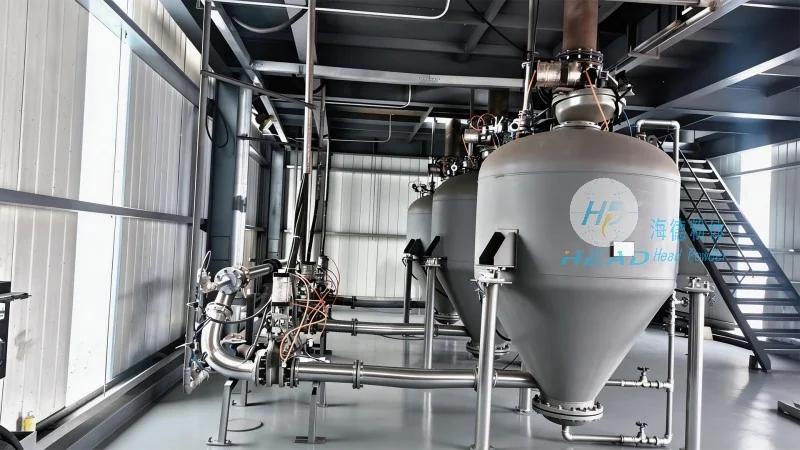
Hybrid Conveying Systems: Combining the Best of Both Worlds
Many modern soy protein powder processing facilities use hybrid conveying systems that combine elements of gravity, mechanical, and air conveying. These systems are designed to optimize performance by leveraging the strengths of each method while mitigating their weaknesses. For example, a hybrid system might use a gravity conveyor for initial horizontal movement, followed by a mechanical screw conveyor for vertical lifting, and then an air conveyor for final transport to the processing line. This approach allows for efficient handling of soy protein powder over various distances and elevations while maintaining product quality and minimizing costs. The main advantage of hybrid systems is their flexibility and adaptability to different operational needs. They can be customized to handle varying powder characteristics and production volumes, making them suitable for both small and large-scale operations. However, hybrid systems are more complex to install and maintain, requiring expertise in integrating different components. HeadPowder offers comprehensive hybrid conveying solutions tailored to the specific requirements of soy protein powder manufacturers, ensuring seamless operation and optimal performance.
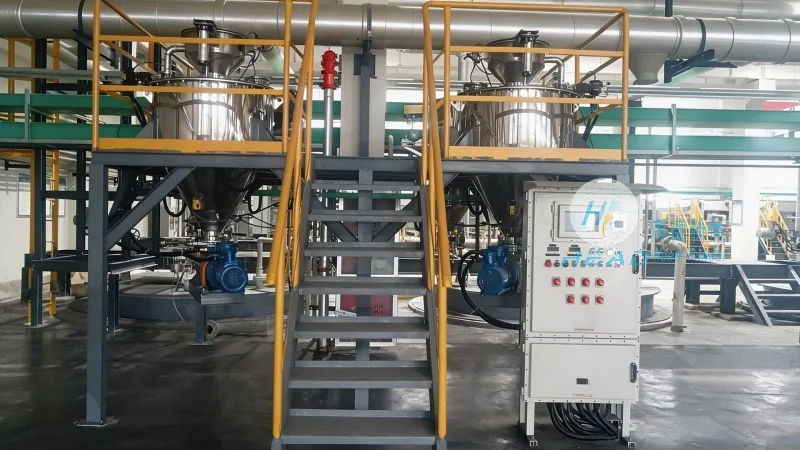
Key Considerations for Choosing the Right Conveying Method
When selecting a conveying method for soy protein powder, several factors must be considered to ensure the best fit for the operation. First, the distance and elevation changes between the start and end points of the material flow are critical. For short horizontal distances with minimal elevation changes, gravity conveying may suffice. For longer distances or vertical movement, mechanical or air conveying is more appropriate. Second, the properties of the soy protein powder itself, such as particle size, moisture content, and flowability, play a significant role. Fine powders with low flowability may require specialized equipment like air conveyors or mechanical screw conveyors to prevent blockages. Third, operational costs, including energy consumption, maintenance, and initial investment, must be evaluated. While gravity conveying is cost-effective, it may not be suitable for all applications. Fourth, safety and environmental considerations, such as dust control and product contamination, are essential, especially in food processing industries. HeadPowder emphasizes that the choice of conveying method should align with the overall processing goals and budget constraints of the business.

 Công ty TNHH Kỹ thuật Công trình Bột Hải Đức Sơn Đông
 156-6277-7102(Quản lý Trương)
  0531-83386006
  Quận Chương Khâu, Thành phố Tế Nam, Tỉnh Sơn Đông, Trung Quốc
Điện thoại
WeChatTư vấn
Lên đầu